Quick Answer
\n
Intentional drinking is the practice of choosing quality over quantity and presence over excess. You become a more mindful drinker by treating every beer as a deliberate experience rather than a default habit.
\n
- Alternate every alcoholic drink with a premium non-alcoholic option.
- Research the brewer or the origin before you order to build a connection.
- Use a proper glass to engage your senses, regardless of the ABV.
\n
\n\n
Editor’s Note — James Whitfield, Managing Editor:
\n
I firmly believe that the ‘more is better’ mentality is the fastest way to kill your palate and your appreciation for brewing. If you aren’t actively choosing what you drink, you’re just consuming liquid, not experiencing craft. In my years covering the spirits and beer industry, I’ve found that the best drinkers are those who treat their glass like a limited resource. I tasked Grace Thornton with this piece because her background in the wellness space allows her to navigate the ‘sober-curious’ movement without sacrificing the authority required to talk about high-end beer. Stop drinking by default and start choosing your next pour with intent.
\n
\n\n
The First Sip Matters
\n
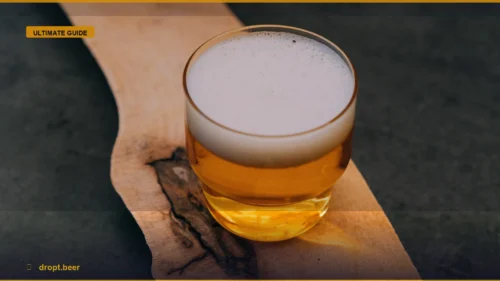
The condensation on the glass is the first thing you notice. It’s cold, beading against your palm, a thin slick of moisture that promises relief. Then comes the sound: the sharp, pressurized hiss of the tab breaking the seal, followed by the soft glug of liquid hitting the glass. You aren’t just thirsty anymore. You’re anticipating.
\n
This is where intentional drinking begins. It isn’t about counting units or feeling guilty; it’s about reclaiming the ritual. If you aren’t paying attention to the way the foam settles or how the aroma hits your nose before the liquid even touches your tongue, you’re missing the point of craft beer. We need to stop treating our drinks as background noise and start treating them as the main event.
\n\n
Defining the Intentional Pour
\n
Intentional drinking means you decide why you’re drinking before you take a sip. Are you here for the social connection, or are you here for the specific flavour profile of a barrel-aged stout? Most of us have spent years blurring the lines, using alcohol as a social lubricant or a stress-relief crutch. The shift toward mindfulness isn’t about abstinence. It’s about precision.
\n
The BJCP (Beer Judge Certification Program) guidelines remind us that beer is a complex sensory product, not just a commodity. When you approach a pint with the same scrutiny a judge uses, you find nuance where you previously found only ‘beer.’ You’ll start to identify the ester profiles in a Belgian Tripel or the specific hop bitterness in a West Coast IPA. This level of engagement naturally slows your pace. You can’t rush a beer you’re actually analyzing.
\n\n
The Rise of the Flexi-Drinker
\n
If you’re worried that being intentional means you have to quit, look at the rise of the ‘flexi-sober’ lifestyle. It’s a pragmatic approach. You might start your evening with a high-ABV craft ale, but your second drink is a sparkling water or a sophisticated non-alcoholic botanical brew. This isn’t weakness; it’s strategy. You’re protecting your palate and your energy levels for the next day.
\n
According to the Brewers Association, the non-alcoholic beer category is one of the fastest-growing segments in the industry. This isn’t just about health; it’s about having a choice that doesn’t compromise on flavour. When you visit a place like Garage Project in Wellington or a local craft taproom, notice the options. They’re building beers for the person who wants to stay sharp. You should follow their lead.
\n\n
The Human Story Behind the Liquid
\n
Every beer has a footprint. Who grew the hops? Where was the malt sourced? How long did the brewer fret over the fermentation temperature? When you know the story, the beer tastes better. It’s a fact of psychology—context changes sensory perception.
\n
Don’t just grab the cheapest six-pack on the shelf. Read the label. Look up the brewery’s ethos. When you support a producer who cares about their supply chain, you’re making a vote for quality. This is the essence of mindful consumption: aligning your spending with your values. It makes the glass in your hand feel like a contribution to a culture, rather than just a way to kill time.
\n\n
Practical Steps for Your Next Pint
\n
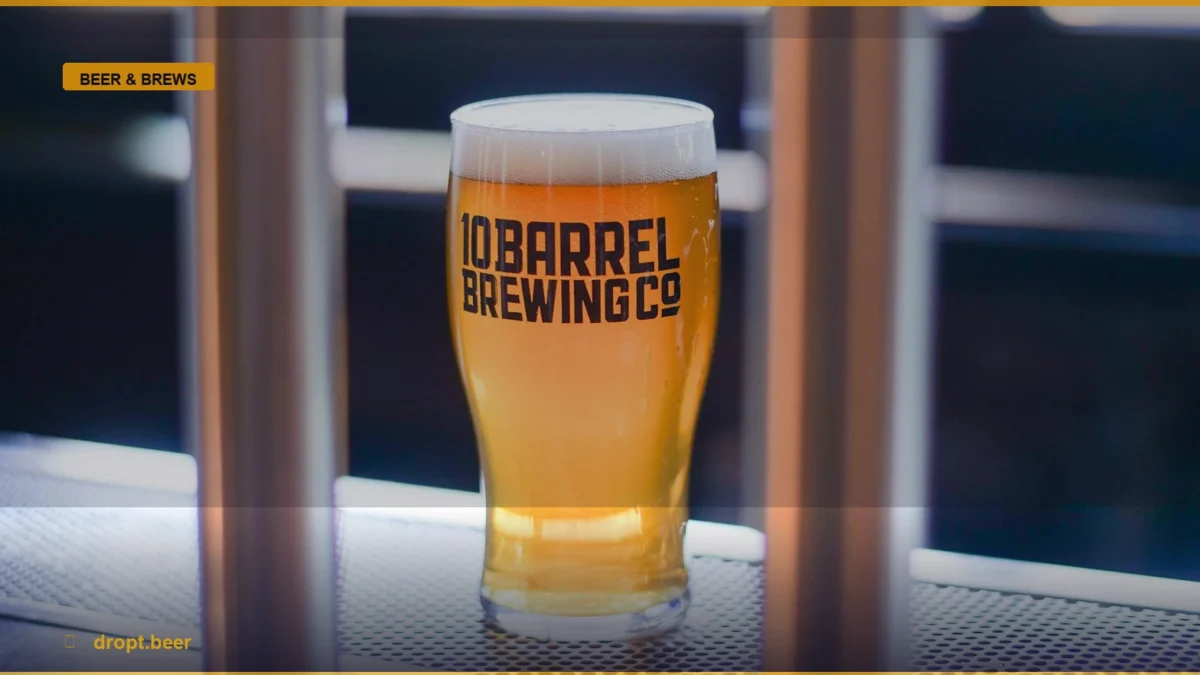
Start by changing your glassware. If you’re drinking from a bottle or a can, you’re losing the volatile aromatics that define a beer’s character. Pour it into a clean, appropriate glass. Take a moment to smell it. Really smell it. If you can’t describe the aroma, spend ten seconds trying to name one thing—is it citrus, pine, bread, or stone fruit?
\n
Finally, practice the one-for-one rule. For every alcoholic beverage you consume, commit to a non-alcoholic one. It sounds simple, but it changes the entire tempo of your night. You’ll find that you actually enjoy the beer more when you aren’t rushing to get to the next one. Keep visiting dropt.beer for more guides on how to elevate your drinking experience, one glass at a time.
\n\n
\n\n
Frequently Asked Questions
\n
Is intentional drinking just another term for sobriety?
\n
No. Intentional drinking is about moderation and mindfulness, not total abstinence. It allows for alcohol consumption, provided it is done with purpose, appreciation for quality, and awareness of your personal limits, rather than out of habit or social pressure.
\n
\n
\n
How does glassware impact my drinking habits?
\n
Glassware forces you to slow down. By pouring a beer into a glass, you engage your sense of smell, which is 80% of flavor. The ritual of the pour also creates a distinct start and end point for your drink, making you more conscious of how much you are actually consuming.
\n
\n
\n
Why should I care about the brewery’s story?
\n
Understanding the human effort behind a beer changes your psychological connection to it. When you know the source of your ingredients and the values of the brewer, you are more likely to savor the product rather than consume it mindlessly, leading to a higher-quality experience.
\n
\n
\n
Does this approach make drinking less fun?
\n
Quite the opposite. By removing the ‘haze’ of mindless consumption, you actually experience the complexity of the flavors more vividly. The social aspect remains, but you replace the dullness of over-consumption with the sharpness of being present, which is far more rewarding in the long run.
\n
\n
\n
\n