{
“title”: “Mastering Intentional Drinking: How to Drink Better, Not More”,
“content”: “
Quick Answer
\n
Intentional drinking is the practice of prioritizing quality, provenance, and sensory engagement over the volume of alcohol consumed. By understanding the specific production methods and cultural origins of your drink, you transform a standard habit into a curated experience.
\n
- Research the production method of your spirit before mixing to ensure ingredient compatibility.
- Limit your intake to one high-quality pour instead of multiple generic options.
- Ask your bartender about the provenance of a drink to connect with the story behind the liquid.
\n
\n\n
Editor’s Note — Diego Montoya, Beer & Spirits Editor:
\n
Stop treating your glass like a fueling station. I firmly believe that the most egregious mistake a drinker can make is assuming all spirits within a category are interchangeable; if you think a cheap, column-distilled blanco tequila works the same as a traditional tahona-crushed expression in a Paloma, you are actively sabotaging your palate. I chose Grace Thornton for this piece because she treats the ‘mindful’ movement with the scientific rigor it deserves, moving past wellness buzzwords to focus on actual flavor architecture. What most people miss is that intentionality is the ultimate luxury. Go pour yourself something that actually has a pulse, and pay attention to it.
\n
\n\n
The Sensory Reset
\n
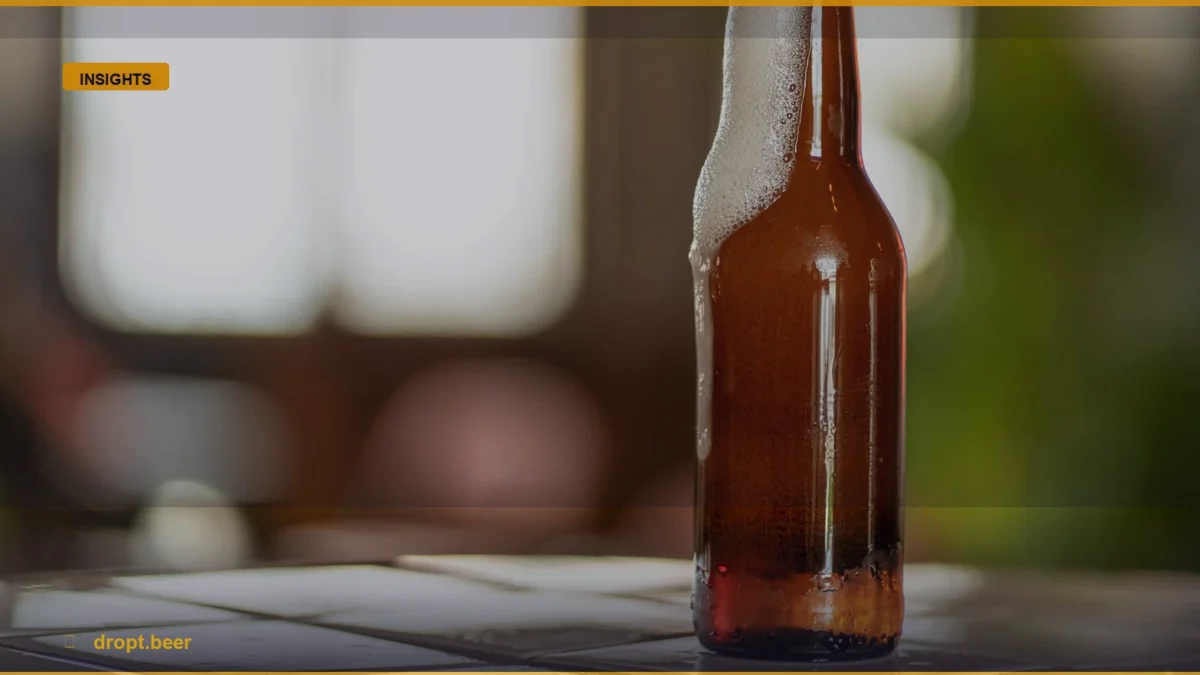
The sound is unmistakable: the sharp, metallic snap of a crown seal, followed by the soft hiss of carbonation escaping a bottle of unpasteurized German Helles. You aren’t just hearing gas release; you’re hearing the final step of a process that began months ago in a cool, dark fermentation cellar. When you raise that glass, you aren’t just grabbing a drink. You’re engaging in a ritual.
\n
Intentional drinking isn’t about restriction. It’s about elevation. It’s the conscious decision to treat every pour as a unique event rather than a byproduct of a long day. If you want to drink better, you have to stop treating your beverage as a commodity. Whether you’re nursing an aged mezcal or a complex wild-fermented ale, the goal is to extract the maximum amount of sensory information from every drop. Most people drink with their eyes and their thirst; I want you to drink with your history and your curiosity.
\n\n
The Fallacy of the Substitution
\n
I hear it constantly in bars: \”Just use whatever light rum you have, it’s all the same anyway.\” This is a lie that hurts your cocktail and insults the producer. According to the BJCP guidelines, even subtle differences in fermentation temperature or yeast strain can shift a beer’s profile from crisp and clean to ester-heavy and cloying. When you swap ingredients, you aren’t just changing the flavor; you’re breaking the chemical balance the creator intended.
\n
Think about a classic Daiquiri. If you reach for a neutral, industrial-grade light rum, you’re missing the point. A high-quality agricole rum brings vegetal, grassy notes that interact with the lime juice in a way that creates a third, entirely new flavor profile. That’s the magic. If you aren’t paying attention to the specific provenance of your ingredients, you’re just drinking for effect, not for experience. Stop substituting. Start exploring.
\n\n
Connecting to the Source
\n
The Brewers Association 2024 data highlights a massive shift toward hyper-local and artisanal production. This isn’t just a marketing ploy. It represents a fundamental shift in how we value what we put in our bodies. When you choose a beer from a specific independent brewery, you’re supporting a specific human being’s vision. You’re engaging with the \”terroir\” of a region, whether that’s the hard water profiles of Burton-on-Trent or the unique hop-growing microclimates of the Pacific Northwest.
\n
Take, for instance, the difference between a mass-produced lager and a traditional Czech Pilsner. The Czech example uses Saaz hops and decoction mashing, a process that adds a distinct bready depth that you simply cannot fake with shortcuts. When you know this, the drink becomes more than just a refreshing liquid. It becomes a connection to a place. If you find yourself in a bar, ask the staff where the product comes from. If they don’t know, it’s probably not worth your time.
\n\n
Cultivating the Mindful Palate
\n
You can train your palate just like you train a muscle. It starts by slowing down. Most of us are conditioned to drink at a pace that prevents us from actually tasting the mid-palate or the finish of a drink. By slowing your intake, you allow the volatile compounds in a spirit or the complex malt sugars in a stout to reveal themselves. It’s a deliberate act of mindfulness that turns a social drink into a learning opportunity.
\n
I recommend keeping a simple log—not for pretension, but for pattern recognition. Note what you liked, why you liked it, and what the specific profile was. Did the finish linger with a nutty sweetness? Was the carbonation aggressive or soft? This isn’t about becoming a judge; it’s about becoming an active participant in your own consumption. Over at dropt.beer, we’ve seen how this habit leads to better buying decisions. You stop wasting money on mediocre bottles and start investing in ones that genuinely thrill you.
\n\n
The Future of Your Glass
\n
The era of mindless consumption is fading. We are moving toward a culture of connoisseurship where the \”how\” and \”why\” matter as much as the \”what.\” As you move forward, challenge yourself to pick one category of drink you think you understand and spend a month researching its origins and production. Whether it’s the smoky depths of Islay Scotch or the bright acidity of a Gose, there is always a layer deeper than the one you’re currently seeing.
\n
Drink with intent. Understand the craft behind the label. And above all, never settle for a drink that doesn’t offer you something to think about. Your palate will thank you, and your future glasses will be much better for it.”,\n “meta_description”: “Learn the art of intentional drinking. Discover how to prioritize quality, provenance, and sensory engagement to elevate every pour you enjoy.”,\n “focus_keyword”: “intentional drinking”,\n “excerpt”: “Move past surface-level assumptions and start truly appreciating what’s in your glass. Here is how to master the art of intentional drinking.”,\n “suggested_categories”: [“Beverage Culture”, “Mindful Drinking”],\n “suggested_tags”: [“mindful drinking”, “craft beer”, “spirits”, “tasting”, “drink culture”],\n “faq_items”: [\n {\n “question”: “What is the primary difference between mindless and intentional drinking?”,\n “answer”: “Mindless drinking treats beverages as commodities for effect, often ignoring quality and origin. Intentional drinking focuses on the sensory experience, the provenance of the ingredients, and the craft behind the production, turning every glass into a deliberate, informed choice.”\n },\n {\n “question”: “How can I start training my palate to be more intentional?”,\n “answer”: “Start by slowing your pace. When you drink, focus specifically on the aroma, the initial taste, the mid-palate notes, and the finish. Keep a brief log of these sensations to identify patterns in what you enjoy, which helps you make better purchasing decisions in the future.”\n },\n {\n “question”: “Why does the provenance of a drink matter?”,\n “answer”: “Provenance provides context for flavor. Understanding where a drink was made—and by whom—connects you to the specific ingredients, water sources, and cultural traditions that define its character. It ensures you are respecting the craft rather than consuming an anonymous, mass-produced product.”\n },\n {\n “question”: “Is intentional drinking only for expensive or rare spirits?”,\n “answer”: “Absolutely not. Intentionality is about your mindset, not the price tag. You can practice intentionality with a humble, well-made local lager or a budget-friendly but authentic mezcal. It is about choosing products that have integrity and meaning, regardless of the cost.”\n }\n ]\n}”,
“author_perspective”: “
”
}