Quick Answer
\n
Thoughtful drinking prioritizes the quality of the experience and the intention behind the pour rather than just the alcohol content. You should embrace the “NoLo” movement by treating non-alcoholic spirits with the same curiosity and respect you apply to craft beer or vintage wine.
\n
- Seek out bars that treat mocktails as culinary creations rather than sugary afterthoughts.
- Use “NoLo” options to pace your night and extend social interactions without the physical tax of high-ABV drinks.
- Prioritize venues that offer an inclusive environment where the social connection is the primary product, not the ethanol.
\n
\n\n
Editor’s Note — Marcus Hale, Editor-in-Chief:
\n
I firmly believe that if you aren’t drinking with intention, you’re merely consuming. In my years covering this industry, I’ve watched too many people treat craft beer like a commodity—something to be chugged rather than understood. What most people miss is that the rise of the mindful drinker is the best thing to happen to craft beer in decades, because it forces brewers to make flavor the star. Grace Thornton is the only person I trust to navigate this shift, as she understands that wellness isn’t the enemy of a great night out. Put down the macro-lager and commit to choosing one drink tonight based on flavor profile alone.
\n
\n\n
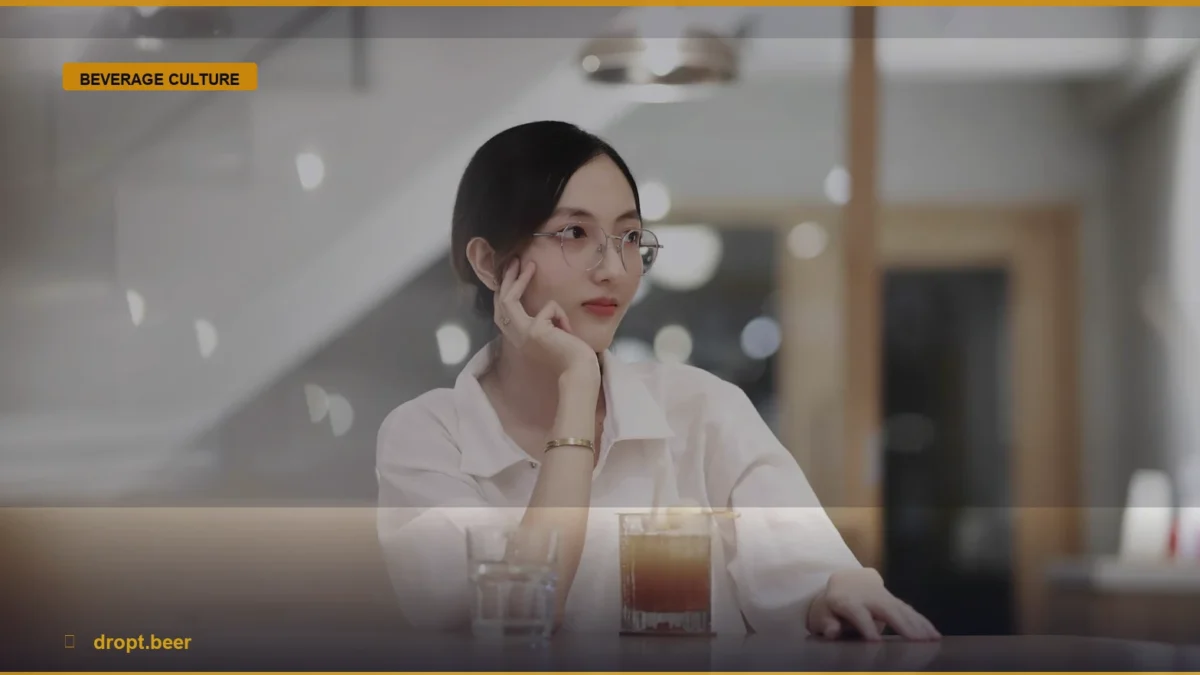
The smell of burnt sugar and citrus zest hangs heavy in the air, but there’s no trace of ethanol in the glass sitting before me. It’s a complex, bitter-forward shrub mixed with tonic, and it has more character than most of the thin, watery lagers I drank in my twenties. We’re standing in a quiet corner of a neighborhood bar that, until recently, would have only offered me a lime-and-soda as an afterthought. Now, the bartender treats this drink with the same reverence as a classic Negroni, carefully measuring, stirring, and garnishing with a house-made botanical syrup. It is a moment of pure, deliberate pleasure.
\n\n
This is the new reality of drinking: it isn’t about the buzz, and it certainly isn’t about avoiding the bar. It’s about being a participant in your own experience. We are moving toward a culture where the “what” in your glass matters less than the “why” and the “how.” Whether you are a fan of high-ABV imperial stouts or you’re exploring the world of botanical spirits, the goal is the same—to engage with the liquid, the maker, and the people around you without losing the plot.
Related: The Intentional Glass: Mastering Thoughtful Drinking
\n\n
The Rise of the Mindful Pour
\n
For too long, the alcohol industry operated on a binary: you were either drinking to get drunk, or you were the designated driver clutching a sad glass of soda water. That era is dead. According to the Brewers Association’s 2024 data, the demand for non-alcoholic beer has moved from a fringe category to a staple for the modern craft brewery. It’s no longer about finding a substitute; it’s about finding a drink that stands on its own merits. When you choose a well-made non-alcoholic IPA, you aren’t settling for a lesser version of the real thing. You are choosing a beverage that allows you to remain sharp while exploring complex hop profiles like Mosaic or Citra that might otherwise be masked by the heat of alcohol.
\n\n
The BJCP guidelines define beer styles by their sensory attributes—aroma, appearance, flavor, and mouthfeel. A great brewer knows that these attributes are achievable without high-ABV levels. Think about the skill required to maintain a creamy, stable foam head on a 0.5% beer. It’s a technical challenge that separates the craft innovators from the mass-market producers. When you reach for a bottle from a brand like Athletic Brewing, you’re engaging with a product that requires a high degree of technical precision. Don’t view these drinks as “diet” beer. View them as a masterclass in brewing efficiency.
\n\n
The Theatre of the Bar
\n
If the drink is the lead actor, the bar is the stage. We’ve seen a shift away from the dark, sticky-floored pubs of the past toward venues that prioritize atmosphere as much as their inventory. You’ll find this in the way modern taprooms are designed—open, airy, and focused on community seating. It’s about the human element. The best bartenders today aren’t just pouring pints; they’re curators of an experience. They know that a patron who orders a dry-hopped sparkling water wants to feel just as sophisticated as the person ordering a barrel-aged stout.
\n\n
We need to stop judging the glass and start looking at the intent. If you go to a bar to connect with friends, why does it matter if you’re drinking a 9% Double IPA or a 0.0% botanical spirit? The social lubricant isn’t the alcohol; it’s the ritual of the clink, the shared space, and the conversation that flows between sips. When you walk into a place like Sydney’s own *The Old Man*, you see a team that understands this. They treat every order, alcoholic or not, with a level of hospitality that makes you feel like an honored guest rather than a transaction.
\n\n
Practical Steps for the Thoughtful Drinker
\n
So, how do you actually practice this? Start by diversifying your palate. If you’re a devout fan of hazy IPAs, seek out a non-alcoholic version from a local craft brewery and compare them side-by-side. You’ll be surprised by how much of the flavor profile is actually tied to the grain bill and the hop variety, rather than the alcohol itself. It’s an eye-opening exercise that will make you a more discerning drinker across the board. You’ll start noticing the subtle differences in carbonation and mouthfeel that you previously ignored.
\n\n
Next, pay attention to your own rhythm. There’s no shame in swapping every second drink for a non-alcoholic option. It’s a tactical move that keeps your palate fresh and your evening long. Most drinkers find that by the third round, their ability to appreciate the nuance of a complex spirit or a delicate beer drops significantly. By alternating, you ensure that every sip you take remains a conscious choice. You’ll wake up the next day with a clearer head and a better appreciation for what you drank the night before. This isn’t just about wellness; it’s about maximizing your enjoyment of the hobby.
\n\n
Finally, support the places that care. Vote with your wallet. If a bar has a curated list of non-alcoholic options that shows actual thought and effort, make that your regular spot. Tell the staff why you’re there. The more we demand high-quality, thoughtful options, the more the industry will pivot to provide them. At dropt.beer, we believe that the future of drinking is bright, inclusive, and incredibly flavorful. It’s time to stop worrying about the buzz and start focusing on the liquid. You’ll find that when you drink with intention, everything just tastes better.
\n\n
\n\n
Frequently Asked Questions
\n
Does non-alcoholic beer actually taste like real beer?
\n
Modern brewing technology has made it possible to produce non-alcoholic beers that are virtually indistinguishable from their full-strength counterparts. By using specialized yeast strains that produce minimal alcohol or utilizing vacuum distillation to remove ethanol without damaging delicate hop oils, brewers can retain the body, bitterness, and aromatic complexity of a traditional IPA or lager. The gap between alcoholic and non-alcoholic beer has never been smaller.
\n
\n
\n
Is it okay to order a mocktail at a serious cocktail bar?
\n
Absolutely. A professional bartender views their role as a host, and a great host wants you to enjoy your experience regardless of your beverage choice. Most top-tier bars today take pride in their non-alcoholic menu, using house-made syrups, fresh bitters, and verjus to build depth. If you’re at a high-end venue, don’t be afraid to ask the bartender to craft something unique that suits your flavor preferences.
\n
\n
\n
Why is the alcohol-free market growing so fast?
\n
The growth is driven by a shift in consumer priorities toward health, mental well-being, and social longevity. People are increasingly seeking ways to enjoy the social rituals of drinking without the physical downsides of alcohol. Combined with major technological advancements in how these beverages are produced, the market has finally reached a point where consumers no longer have to compromise on quality or flavor to make a mindful choice.
\n
\n
\n
How do I start drinking more mindfully?
\n
Start by focusing on the quality of your drinks rather than the quantity. Practice “pacing” by alternating between an alcoholic drink and a non-alcoholic one. Pay close attention to the sensory experience—the smell, the mouthfeel, and the finish—of every drink you consume. When you focus on these elements, you naturally slow down, making it easier to appreciate the craftsmanship behind the liquid and to stay within your personal limits.
\n
\n
\n
\n