Quick Answer
Mindful drinking in the craft beer world means prioritizing the sensory experience of a single, high-quality pour over the volume of consumption. It is the practice of treating beer as a culinary experience rather than a commodity.
- Slow down your drinking pace to allow the beer to warm slightly, unlocking hidden malt complexities.
- Keep a simple tasting journal to document hop profiles and mouthfeel against established BJCP style benchmarks.
- Limit your tasting sessions to two distinct, contrasting styles to avoid palate fatigue.
Editor’s Note — James Whitfield, Managing Editor:
I firmly believe that if you aren’t actively thinking about what you’re drinking, you’re merely hydrating, not tasting. The obsession with “drip drops” and beer release queues has decimated our ability to appreciate a well-balanced lager. In my years covering spirits and beer, I’ve found that the most seasoned drinkers are the ones who know when to put the glass down. I tasked Grace Thornton with this piece because her background in wellness trends provides the necessary rigor to move this beyond a lifestyle fad. Stop chasing limited releases and start analyzing your current glass tonight.
The Sensory Architecture of the Pour
The first thing you notice isn’t the alcohol content or the hype surrounding the label—it’s the condensation weeping down the side of a cold glass. There’s a specific, sharp sound as the tab cracks open, a hiss of escaping carbonation that signals the start of a ritual. You pour, watching the head form, observing the lace as it clings to the glass, and for a moment, the room goes quiet. This is the starting line of mindful drinking.
Mindful drinking is not a euphemism for sobriety or a lecture on moderation. It is an unapologetic pursuit of quality. We are moving away from the era of the “beer fridge trophy hunter” toward a culture that values the nuance of a perfectly executed Czech Pilsner or a complex, barrel-aged wild ale. When you stop drinking for the effect and start drinking for the information your palate receives, the entire experience changes. You aren’t just consuming calories; you’re participating in a centuries-old history of agricultural craft.
According to the Brewers Association’s 2024 data, while overall volume production has faced headwinds, the retail value of the craft sector remains significant. This suggests that while we are drinking less, we are spending more on better beer. That shift is the golden opportunity for the curious drinker. When you lower your volume, your budget opens up, allowing you to source bottles that are actually worth your time. Don’t waste your palate on mediocre liquids just because they’re available.
Training Your Palate to See Through the Noise
The market is flooded with adjunct-heavy stouts and hop-saturated IPAs designed to mask faults or overwhelm the senses. It’s easy to get lost in the noise, but you have to be more disciplined than the marketing departments want you to be. A truly discerning drinker ignores the hype cycle and looks for the technical execution. Can you identify the grain bill in a base Porter? Can you spot the difference between a clean lager yeast profile and one that has been stressed by poor fermentation temperatures?
The BJCP (Beer Judge Certification Program) guidelines serve as the ultimate grounding tool here. They don’t exist to stifle creativity, but to provide a common language for what a style should be. When you drink a classic English Bitter or a German Hefeweizen, reference these guidelines. It forces you to stop guessing and start knowing. If you’re drinking a local hazy IPA, ask yourself if the hop bitterness is integrated or if it’s just a raw, vegetal burn. Being critical isn’t being mean; it’s being a participant in the quality control of the beer industry.
The Ritual of the Glass
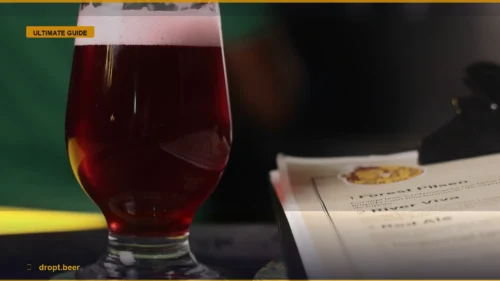
Never drink out of the can or bottle if you want to be a mindful consumer. The vessel is part of the story. A tulip glass traps aromatics in a way that a standard shaker pint never will, and if you’re drinking a high-end saison, you deserve to smell the barnyard funk and the citrus esters before they vanish into the air. Pouring the beer is an act of respect—to the brewer who spent weeks managing the fermentation and to yourself.
Consider the environment. A crowded, noisy pub might be fine for a casual pint, but if you’ve picked up a bottle of something special, take it home. Create a space where you can actually focus on the temperature of the beer. Most craft beers are served far too cold, which numbs your taste buds to the subtle malt sweetness or the delicate floral notes of noble hops. Let it sit. Let it breathe. Watch how the beer evolves as it hits the ambient room temperature. You’ll find that a beer five minutes into the pour is often entirely different from the first sip.
Finding Your Own Balance
We often treat craft beer as a social lubricant, but it is better utilized as a social catalyst for conversation. When you drink with intention, the beer becomes a subject of discussion rather than a background element. You’re talking about the mouthfeel, the carbonation, the way the bitterness lingers on the back of the palate. This is how you build a community of thoughtful drinkers, not just a group of people who happen to be holding glasses in the same room.
Look at the work of independent breweries like Australia’s Range Brewing or the storied traditions preserved by European producers. Their output is consistent because they treat the process with reverence. You should mirror that in your consumption. If you find yourself drinking just to finish a six-pack, you’ve lost the plot. Put the remaining cans back in the fridge and walk away. That, more than anything else, is the most powerful tool in your kit.
Ultimately, dropt.beer is about celebrating the best of what’s being brewed, but we want you to be the arbiter of that quality. You aren’t a passive recipient of the latest trends. You are a curator of your own drinking life. Next time you head to your local bottle shop, buy one bottle of something you’ve never tried, something that scares you a little bit, and drink it with total focus. That is how you elevate the pint, and that is how you change your relationship with the drink forever.
Frequently Asked Questions
Does mindful drinking mean I have to stop drinking IPAs?
Absolutely not. Mindful drinking is about the quality of the experience, not the style of beer. You can absolutely enjoy a high-intensity IPA mindfully. The key is to avoid drinking it purely for the buzz. Focus on the hop variety, the clarity of the bitterness, and how the flavors develop as the beer warms. If you are drinking an IPA just to finish it, you aren’t drinking mindfully; if you’re drinking it to analyze the hop profile, you are.
How do I avoid palate fatigue when tasting multiple beers?
Palate fatigue happens when you overwhelm your taste buds with high levels of alcohol, bitterness, or residual sugar. To avoid this, limit your tasting session to two distinct styles. Start with the lightest, most delicate beer and move toward the more intense ones. Always keep a glass of neutral, room-temperature water nearby to cleanse your palate between pours. If you find your tongue feeling “fuzzy” or numb, stop immediately; your palate is telling you it’s done for the day.
Is a tasting journal really necessary?
A journal is the single best tool for moving from a casual drinker to a connoisseur. It forces you to articulate what you are tasting, which shifts the experience from a passive event to an active one. You don’t need a formal template; just note the name of the brewery, the style, the primary aroma notes, and whether the mouthfeel was thin, creamy, or astringent. Over time, these notes will help you identify which breweries and techniques you truly prefer.
Why does temperature matter so much for craft beer?
Serving beer at near-freezing temperatures is a marketing tactic designed to hide poor-quality ingredients. Cold temperatures mask off-flavors, but they also mute the positive aromatics and complexities you paid for. Most craft beers, particularly ales and stouts, should be served between 8°C and 13°C. This allows the volatile compounds in the hops and the esters from the yeast to express themselves fully. If your beer is too cold, let it sit for ten minutes; the difference in flavor will be immediate.