Quick Answer
Intentional drinking in craft beer is a conscious approach to consumption, prioritizing quality, sensory appreciation, and personal well-being over sheer volume. It means actively engaging with a brew’s aroma, flavor, and story, choosing fewer, better beers, and often integrating no- and low-alcohol options. This shift reflects a broader consumer trend towards moderation and mindful choices, profoundly reshaping the craft beer landscape in 2025 and beyond.
I firmly believe we’re standing at a crossroads in the craft beer world. For years, the narrative was about expansion, about more breweries, more styles, more, more, more. But in my years covering this industry, I’ve seen a subtle, yet profound, shift. What most people miss is that the true revolution now isn’t about what’s new, but how we’re approaching what’s already here. It’s about intentional drinking, and it’s not just a passing fad—it’s the bedrock of craft beer’s future.
We’ve moved beyond the novelty phase. The market’s maturing, and consumers, especially younger generations, are demanding more than just a buzz. They want an experience, a story, a connection to what they’re pouring into their glass. This isn’t about abstinence, not entirely. It’s about a deeper engagement, a respect for the craft, and a personal commitment to well-being that’s changing everything, from brewery strategies to your local taproom’s offerings. This shift isn’t just happening; it’s accelerating, and every brewer, every enthusiast, needs to understand its implications.
The Shifting Tides: Beyond the Binge
The numbers don’t lie. America’s drinking habits are changing, and quite dramatically. Gallup’s 2025 Consumption Habits survey reveals that only 54% of U.S. adults now say they drink alcohol, marking the lowest rate recorded in nearly 90 years. That’s a stark drop from 62% in 2023 and 58% in 2024. The decline is most pronounced among young adults, with those under 35 showing a significant reduction in alcohol consumption.
This isn’t a fluke; it’s a generational realignment. Gen Z, for instance, drinks an average of 20% less than Millennials, who in turn drink less than previous generations. They’re a generation raised with an acute awareness of health, mental well-being, and the ever-present lens of social media. The old ‘party hard’ mentality just doesn’t resonate. Instead, there’s a conscious movement to reduce alcohol intake, driven by a desire for healthier lifestyles and an understanding of alcohol’s effects.
This shift has paved the way for the explosive growth of the no- and low-alcohol (NOLO) market. Global volumes of no-alcohol beverages surged by 9% in 2025 and are projected to expand by a staggering 36% by volume between 2024 and 2029. The U.S. alone added 37 million new no-alcohol consumers between 2022 and 2024, according to IWSR data. These aren’t just temporary abstentions for ‘Dry January’ anymore; they’re becoming permanent fixtures in beverage portfolios. Consumers are actively seeking out better-tasting NOLO options, and brewers are rising to the challenge, crafting complex, satisfying alternatives that stand on their own merit. It’s clear: the future involves a broader spectrum of choices, acknowledging that a great experience doesn’t always need a high ABV.
Craft Beer’s True North: Quality Re-Defined
Craft beer, at its heart, has always been about quality. That’s what separated us from the industrial lagers of old. But the definition of ‘quality’ is evolving with the rise of intentional drinking. It’s no longer just about the ingredients or the brewing process; it’s about the entire experience surrounding that liquid. Brewers are finding that to stay relevant, they have to double down on authenticity, on the story behind the pint, and on creating a truly unique product that justifies a thoughtful pour.
In 2024, craft brewers produced 23.1 million barrels of beer, a 3.9% decrease from 2023. While the overall volume might be down, the retail dollar value actually rose to an estimated $28.8 billion, a 3% increase over the previous year. What does that tell you? People are buying less, but they’re spending more on what they do buy. That’s premiumization in action. Consumers are willing to pay a premium for new styles and unique flavors, for beers that offer an experience. They want to know where the hops came from, the inspiration behind the recipe, the passion of the people who made it. This isn’t just marketing fluff; it’s a genuine desire for connection to the product. The industry’s resilience now comes from adaptation: innovation in flavors, formats, and experiences, alongside strengthening local connections.
This is where the craft beer movement truly shines. We’re built for this. Small, independent breweries, with their direct-to-consumer taproom models, are perfectly positioned to deliver on this demand for story and experience. They’re fostering community, hosting events, and allowing drinkers to connect directly with the brewers. It’s about making every beer count, not just for the consumer, but for the brewer too. This emphasis on quality over quantity, on the unique and the well-made, is what will continue to drive the craft segment forward, even in a challenging market. For more on how this translates to your glass, consider The Thoughtful Pour: Why Drinking Less Means Drinking Better.
Cultivating Your Palate: The Art of Active Engagement
Intentional drinking isn’t just a philosophy; it’s a practice. It requires you to slow down, to engage your senses, and to truly taste what’s in your glass. Forget chugging; we’re talking about savoring. This means paying attention to the details: the color, the aroma, the first sip, the finish. What notes do you pick up? Is it piney, citrusy, malty, roasted? How does the mouthfeel contribute to the experience? Does it linger, or is it crisp and clean?
This active engagement elevates the entire experience. It transforms a simple drink into a moment of discovery. Think about it: when you truly focus on a beer, you notice the subtle nuances the brewer intended. You appreciate the balance, the complexity, the artistry. This is how you move beyond autopilot and start tasting the craft in every pour. It’s about finding pleasure in the details, in the story each sip tells. For practical steps on how to do this, The Art of Intentional Drinking: How to Elevate Every Sip offers excellent guidance.
It’s also about context. Where are you drinking it? Who are you with? What food are you pairing it with? These elements aren’t just background noise; they’re integral to the overall intentional experience. A perfectly paired beer with a meal, enjoyed in good company, becomes far more memorable than a dozen mindlessly consumed pints. This mindful approach extends to understanding your own relationship with alcohol. It’s about being present, making conscious choices, and ensuring that every drink serves a purpose beyond just habit. To really dive deep into this, check out Intentional Drinking: How to Elevate Your Craft Beer Experience.
The Economic Reality: Premiumization and the Brewer’s Bottom Line
The shift towards intentional drinking isn’t merely a cultural phenomenon; it’s got real economic teeth. For brewers, it means a recalibration of strategy. With consumers opting for fewer, higher-quality beverages, the margins on premium products become increasingly important. This ‘less but better’ mindset means that while overall volume sales might dip, the revenue generated from higher-priced, thoughtfully crafted beers can remain strong, even grow.
The Brewers Association reported that while craft beer production volume decreased by 3.9% in 2024, its retail dollar value actually increased by 3% to $28.8 billion. This growth reflects pricing adjustments and robust performance in onsite sales, particularly in taprooms and brewpubs, which are inherently more hospitality-focused. These direct-to-consumer models allow brewers to capture more of the retail dollar, strengthening their bottom line even as distributed sales face headwinds. It’s a smart play in a market where consumers are increasingly prioritizing experiences and unique offerings.
However, this doesn’t come without challenges. The craft beer industry saw more breweries close than open in 2024 for the first time since 2005, a reflection of a maturing and highly competitive market. Brewers must innovate, streamline operations, and build strong local connections to thrive. The future isn’t about simply making beer; it’s about crafting a compelling brand story, offering diverse products, and providing an exceptional experience that justifies the premium price point. Those who can adapt to this demand for quality and intentionality will be the ones who not only survive but truly flourish.
Building a Better Beer Community: Connection and Conversation
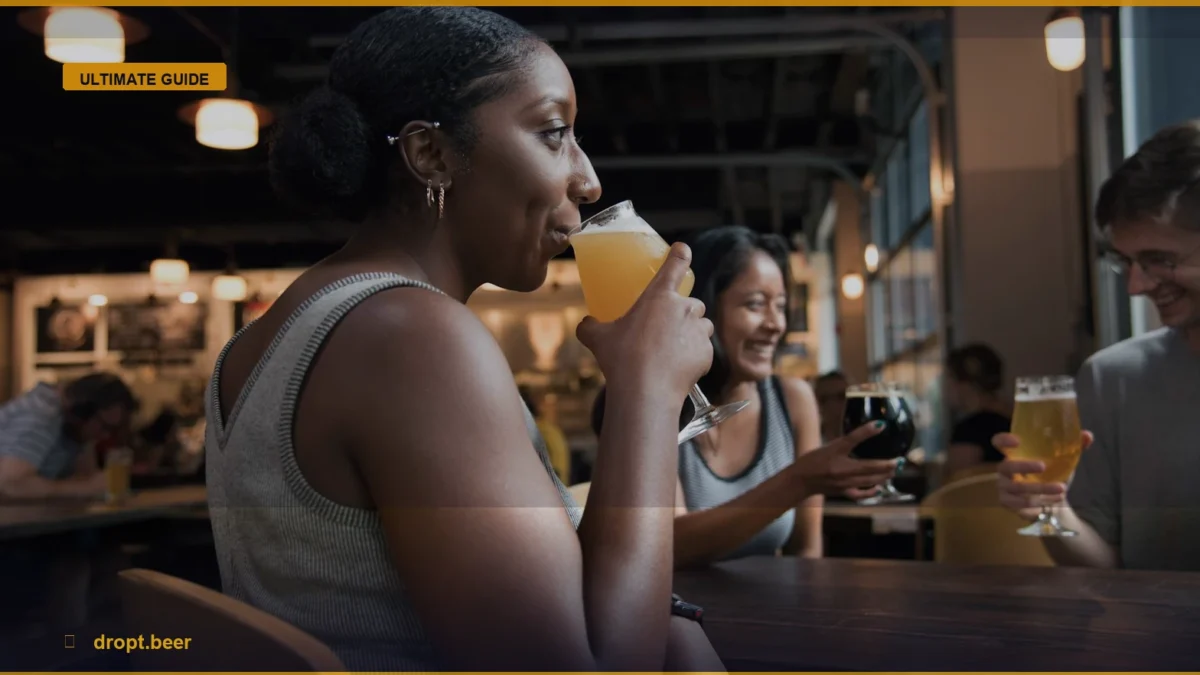
At its core, intentional drinking fosters a stronger sense of community. When you’re slowing down, savoring, and discussing a beer, you’re naturally creating a shared experience. This isn’t just about the liquid; it’s about the conversations it sparks, the connections it builds, and the stories it facilitates. It strengthens the bond between brewer and drinker, as consumers seek out the human element behind their favorite brews. They want to know the people, the passion, and the philosophy that goes into each batch.
This movement also encourages a more inclusive beer culture. With the rise of high-quality NOLO options, more people can participate in social drinking occasions without feeling pressured to consume alcohol. The trend of ‘zebra striping’—alternating between alcoholic and non-alcoholic drinks during a single social event—is gaining significant traction. This allows for extended social engagement and a more diverse range of preferences to be accommodated. It’s a win-win: more choices for consumers, and broader appeal for breweries and venues.
Breweries are increasingly becoming community hubs, hosting educational events, tastings, and collaborations that go beyond just selling beer. They’re fostering environments where thoughtful discussion and genuine appreciation are paramount. This is how we build a more resilient, vibrant, and meaningful craft beer culture—one where every pour is an intentional act, and every sip tells a story. To truly master this evolving landscape, you’ll want to consult The Conscious Drinker’s Guide: Mastering Modern Beverage Culture. And for a glimpse into what’s ahead, read The Intentional Pour: Mastering Thoughtful Drinking in 2025.
Frequently Asked Questions
What is intentional drinking in the context of craft beer?
Intentional drinking in craft beer means approaching each pour with purpose and mindfulness. It’s about appreciating the beer’s sensory attributes—aroma, taste, mouthfeel—and understanding its origin and the brewer’s story. This practice prioritizes quality over quantity, encouraging drinkers to savor fewer, better brews and to engage actively with the experience rather than consuming habitually. It often involves incorporating non-alcoholic options for balance.
Why are younger generations drinking less alcohol?
Younger generations, particularly Gen Z and Millennials, are drinking less due to increased health consciousness and a greater awareness of alcohol’s mental and physical effects. Social media also plays a role, influencing a preference for healthier lifestyles and discouraging behaviors that might lead to negative online perceptions. They seek intentional reasons to drink, prioritizing quality experiences and well-being over excessive consumption. This cultural shift is reshaping the entire beverage industry.
How is the rise of no- and low-alcohol beers impacting the craft beer industry?
The no- and low-alcohol (NOLO) sector is rapidly expanding, with global volumes of no-alcohol growing significantly. This trend presents both a challenge and an opportunity for craft brewers. While it diversifies offerings and caters to health-conscious consumers, it also means traditional beer sales face new competition. Brewers are responding by innovating high-quality NOLO options, allowing them to retain brand loyalty and attract a broader customer base, ultimately enhancing the inclusivity of the craft beer community.
What does ‘premiumization’ mean for craft beer consumers?
Premiumization for craft beer consumers means a willingness to spend more on fewer, higher-quality products. It reflects a desire for unique flavors, exceptional ingredients, and a compelling brand story. Consumers are increasingly seeking out craft beers that offer a memorable experience, whether through innovative styles, artisanal brewing methods, or a strong connection to local culture. This trend supports higher price points for brewers and encourages a focus on quality over mass production.
Was this article helpful?