Quick Answer
\n
Intentional drinking is the practice of choosing beverages based on quality, provenance, and personal presence rather than autopilot consumption. You should prioritize flavor-forward, low-ABV craft options to maintain clarity and maximize your sensory engagement with every glass.
\n
- Focus on the brewery’s process rather than the alcohol percentage.
- Limit your intake to two high-quality pours to maintain your palate’s sensitivity.
- Document your tastings to build a vocabulary for what you actually enjoy.
\n
\n\n
Editor’s Note — Marcus Hale, Editor-in-Chief:
\n
I firmly believe that the industry has spent too long worshipping ABV as the primary metric of value. It is a lazy habit that blinds drinkers to the nuance of a well-balanced malt profile or the delicate aromatics of a hop-forward lager. What most people miss is that a sessionable beer is often harder to brew than a high-octane stout. I recommend you stop chasing the ‘big’ beers and start prioritizing technical precision. Grace Thornton is the perfect guide here because she understands the biological reality of how we taste. Stop buying by the six-pack and start buying by the bottle.
\n
\n\n
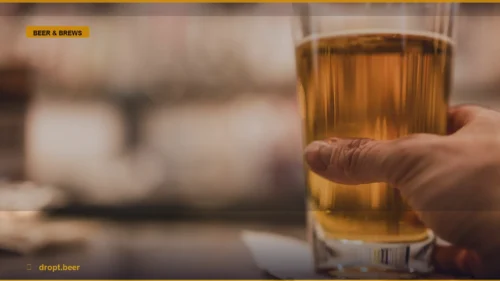
The condensation on the glass catches the light, a bead of moisture tracing a slow path through the condensation toward the coaster. Before you even lift the glass, the aroma hits—a sharp, citrusy punch of Citra hops followed by the warm, bready backbone of a freshly cracked pilsner. This is the moment where drinking moves from a physical act to a sensory engagement. Most of us have been guilty of treating beer like fuel, something to be downed while chatting at a bar or watching a game. That’s a waste of good liquid.
\n\n
Intentional drinking is the antidote to the autopilot mode that plagues modern drinking culture. It is not about sobriety or abstinence; it is about reclaiming your agency at the bar. If you aren’t paying attention to the texture, the temperature, and the story behind the brewer, you aren’t really drinking—you’re just consuming. You need to treat every pour as a deliberate choice to engage with the craft.
\n\n
The Myth of the ‘Session’
\n
We often hear the word ‘sessionable’ thrown around as if it’s synonymous with ‘watery’ or ‘cheap.’ That’s a mistake. According to the BJCP (Beer Judge Certification Program) guidelines, a session beer should maintain complexity and balance despite its lower alcohol content. The challenge for a brewer isn’t hiding the lack of alcohol; it’s building a flavor profile that stands up without the body-weight alcohol provides.
\n\n
Think of it like cooking with fewer ingredients. If you have five items in the pantry, you have to be precise. If you have fifty, you can hide your mistakes. When you choose a low-alcohol craft beer, you’re looking for that precision. You’re looking for a beer from a brewery like Sydney’s Grifter or a classic German helles where the malt quality screams louder than the ABV ever could. If you can’t taste the individual components—the snap of the grain, the bitterness of the hop—you’re holding a lackluster product.
\n\n
Developing Your Palate
\n
Anyone who’s spent time in a sensory lab knows that alcohol is a palate anesthetic. The higher the ABV, the more your tongue becomes numbed to the subtle esters and phenols that make a beer interesting. If you want to drink intentionally, you need to manage your intake to protect your palate. It’s simple biology: once you cross that threshold of sensory fatigue, everything starts to taste the same.
\n\n
The Oxford Companion to Beer emphasizes that aroma is the primary driver of perceived flavor. When you’re three beers deep, your ability to discern those volatile aromatic compounds drops off a cliff. Try this: start your night with the most complex, delicate beer you have. Save the heavy hitters for the end of the evening, or better yet, skip them entirely. You’ll find that your appreciation for the brewer’s work increases tenfold when your senses are sharp.
\n\n
The Economics of Quality
\n
There is a financial argument for intentionality, too. If you’re going to spend money on beer, stop spending it on middling, mass-produced lagers that exist only to be cold. Use that same budget to buy two exceptional, small-batch brews. You’ll find that the experience of one high-quality, craft-focused pour often outweighs the collective experience of four average ones.
\n\n
When you shift your spending toward independent, artisanal producers, you aren’t just buying a drink. You’re funding the person who spent weeks sourcing the hops or refining the water profile. This is the core of the dropt.beer philosophy: support the people who care as much about the product as you do about the experience.
\n\n
Your Next Move
\n
Commit to a ‘quality over quantity’ audit for your next three brewery visits by selecting only one beer per stop and analyzing its specific flavor profile.
\n
- \n
- Immediate — do today: Buy a single bottle of a beer style you’ve never tried, ideally from an independent local brewery, and drink it with no phone, no TV, and no distractions.
- This week: Visit a local taproom and ask the bartender for a beer that showcases a specific hop variety, then take note of the aroma before your first sip.
- Ongoing habit: Keep a ‘tasting journal’—even just a note on your phone—to track which breweries actually hit the mark for you, helping you refine your future choices.
\n
\n
\n
\n
\n\n
\n\n
Frequently Asked Questions
\n
Does intentional drinking mean I have to stop drinking alcohol?
\n
Not at all. Intentional drinking is about presence and discernment, not total abstinence. It is perfectly compatible with alcohol consumption. The goal is to ensure that when you do choose to drink, you are doing so because you want to experience the craftsmanship of the liquid, rather than drinking out of habit, social pressure, or to alter your state of mind.
\n
\n
\n
How do I know if a beer is ‘high quality’?
\n
Start by looking at the transparency of the brewer. High-quality breweries are usually vocal about their ingredients, their sourcing, and their process. In the glass, look for clarity (if the style calls for it), a stable head, and a distinct aroma that matches the description on the can or tap list. If a beer tastes muddled, overly metallic, or lacks a coherent flavor profile, it probably wasn’t made with the care you deserve.
\n
\n
\n
\n