Quick Answer
Quality in your glass is defined by temperature, glassware, and the integrity of the pour. You should always prioritize clean, style-appropriate glassware and serve at temperatures that allow flavor compounds to actually express themselves.
- Match your glass to the beer style to control head retention.
- Stop serving beer ice-cold; let it sit to hit the intended serving temperature.
- Clean your glassware thoroughly to remove carbonation-killing residue.
Editor’s Note — Priya Nair, Features Editor:
I firmly believe that the most expensive bottle of beer in your cellar is a total waste of money if you serve it in a greasy pint glass at near-freezing temperatures. Most people miss the fact that our sense of smell dictates almost every nuance of flavor, and a glass that doesn’t allow for aeration is effectively muting your experience. Ryan O’Brien brings something special here because he understands the monastic roots of proper service, treating every pour as a ritual. In my years covering the industry, I have seen too many great brews ruined by poor presentation. Pour with intention today.
The scent of a fresh Westvleteren 12 fills the small, wood-paneled room, a mixture of dark candi sugar, dried plum, and a faint, earthy yeast character that speaks of centuries of monastic tradition. When you lift the glass, the fine, persistent carbonation dances against the sides of the tulip. This isn’t just a drink; it’s a carefully orchestrated experience. You don’t get there by accident. You get there by respecting the physics of the pour and the history of the vessel.
If you want to move from being a casual drinker to a true enthusiast, you must stop treating beer like a utility. It is an artisanal product that demands specific conditions to show you its full potential. The truth is, most of what you think you know about serving beer is wrong, influenced by decades of marketing that prioritizes coldness over character. We are going to fix that right now.
The Myth of the ‘Ice-Cold’ Pint
We’ve been conditioned to believe that a beer should be served at a temperature just above freezing. This is a mistake. When you chill a beer to near-zero temperatures, you are actively suppressing its soul. The volatile aromatic compounds that give a Belgian Dubbel its spice or a dry-hopped IPA its citrus punch simply cannot escape a liquid that is too cold. According to the BJCP guidelines, most ales are intended to be served between 8 and 12 degrees Celsius. By ignoring these parameters, you are essentially drinking a muted, one-dimensional shadow of what the brewer intended.
Think about it. You wouldn’t drink a fine red wine straight from the fridge, yet we do it to our most complex ales without a second thought. Take your beer out of the fridge twenty minutes before you plan to drink it. Watch as the glass begins to sweat and the liquid within warms to a point where the malt profile finally begins to sing. It is a transformation you can smell before the glass even reaches your lips.
Choosing Your Glassware Wisely
The glass is your primary tool for sensory evaluation. The Brewers Association emphasizes that glassware isn’t just for aesthetics; it is functional engineering. A thick, straight-sided shaker pint is arguably the worst vessel you can choose for a craft beer. It offers no head retention, it forces you to drink with your nose blocked by the rim, and it hides the color and clarity of the liquid. You need a glass that captures the aromatics.
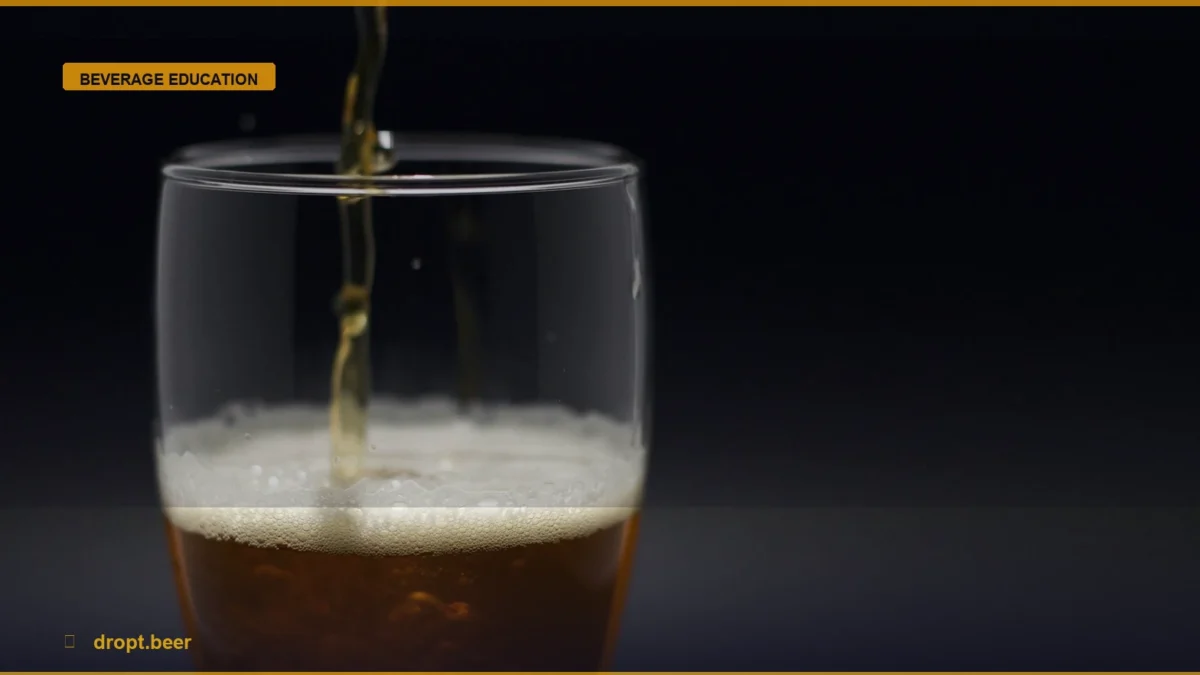
For a Trappist ale, reach for a chalice or a wide-mouthed goblet. The shape allows for a generous head of foam—which is, after all, the beer’s own protective blanket—to maintain its integrity. If you are drinking a crisp pilsner, a tall, slender flute or stange glass will focus the hop aromatics and keep the carbonation lively. When you pour, tilt the glass at a forty-five-degree angle and slowly straighten it as the glass fills. This creates the perfect marriage of liquid and foam. If you aren’t producing a healthy finger or two of foam, you aren’t releasing the carbon dioxide properly, which means you’re going to feel bloated while missing half the flavor profile.
The Cleanliness Standard
Nothing kills a great beer faster than a dirty glass. I’m not talking about visible grime. I’m talking about the invisible film of oils, soap residue, or dishwater detergents that cling to the sides of your glassware. If you pour a beer and notice bubbles clinging to the sides of the glass, or if the foam collapses within seconds, your glass isn’t clean. It’s a tragedy.
You need to rinse your glass with cold, fresh water immediately before every pour. This creates a thin layer of moisture that helps the beer flow smoothly and prevents those nucleation points where gas escapes too rapidly. At some of the best bars in the world, like the legendary Kulminator in Antwerp, they take glass hygiene to a level that borders on the religious. You should adopt that same level of care at home. If you want to know if your glass is truly clean, do the salt test. Sprinkle a little salt inside a wet glass; if it sticks evenly, you are golden. If it clumps or slides, your glass is harboring residues that are actively destroying your drink.
Quality is a choice you make every time you reach for a bottle. It is found in the patience to let a beer warm up, the precision of your pour, and the simple, humble act of rinsing your glass. When you treat your beer with this level of reverence, you aren’t just consuming a beverage; you’re participating in a culture of excellence. Keep an eye on dropt.beer for more ways to refine your palate and deepen your connection to the craft.
Your Next Move
Commit to the “Ten Minute Warm-Up” rule for every high-quality craft beer you consume this week.
- [Immediate — do today]: Buy a set of generic stemmed tulip glasses to replace your standard shaker pints.
- [This week]: Take two identical beers, serve one ice-cold and one at 10°C, and record the difference in aroma and taste.
- [Ongoing habit]: Always rinse your glass with cold, filtered water before every single pour, without exception.