Quick Answer
\n
Thoughtful drinking is the intentional shift toward quality, provenance, and mindful consumption over sheer volume. It prioritizes the experience of the liquid in your glass, whether alcoholic or non-alcoholic, to align beverage intake with personal values and wellness.
\n
- Research the origin and process behind your drink before ordering.
- Limit your intake to prioritize complex, higher-quality craft products.
- Use the ‘one-for-one’ rule, alternating between alcoholic and premium non-alcoholic options.
\n
\n\n
Editor’s Note — Marcus Hale, Editor-in-Chief:
\n
I firmly believe the era of the ‘quantity-first’ drinker is dead, and good riddance. If you are still judging a night out by how many empty glasses end up on the table, you are missing the point of craft culture entirely. In my years covering this industry, I’ve watched the most successful breweries pivot toward complexity rather than just high ABV. Grace Thornton understands this shift better than anyone because she treats low-alcohol options with the same sensory rigor as a barrel-aged imperial stout. Stop drinking for volume and start drinking for the story; pick up a bottle that challenges your palate tonight.
\n
\n\n
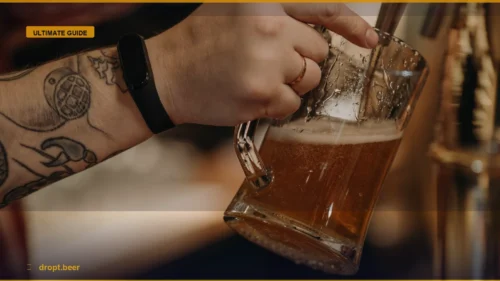
The condensation on a chilled glass of lager—a fine, beaded mist—is the first thing that hits you. Then comes the smell: a clean, sharp snap of noble hops, earthy and floral, cutting through the humid air of the taproom. It’s a moment of focus. You aren’t just here to consume; you’re here to pay attention. This is the essence of the thoughtful pour, a philosophy that prioritizes the sensory reality of the drink over the habit of the act.
\n\n
Thoughtful drinking is not a temporary trend or a moral crusade. It is a fundamental recalibration of our relationship with the glass. When we treat every pour as a deliberate choice rather than a default reflex, the entire experience changes. We stop chasing the buzz and start chasing the craft. Whether you are holding a complex, hop-forward IPA or a botanically rich non-alcoholic spirit, the goal remains the same: elevating the moment through intentionality.
\n\n
The End of Mindless Consumption
\n
Most drinkers have spent years on autopilot. We order the house pour because it’s easy, or we drink to fill the gaps in conversation. But the landscape is shifting. According to the 2024 Brewers Association market report, consumers are increasingly seeking out smaller-scale, independent producers who prioritize flavor profiles over mass-market consistency. They want to know the ‘who’ and the ‘how’ behind the liquid. This curiosity is the death knell for mediocrity.
\n\n
You need to start asking questions. Where was this brewed? What are the specific hop varieties, and how do they interact with the malt backbone? The BJCP guidelines aren’t just for judges; they are a roadmap for your own palate. When you learn to identify the difference between a clean lager fermentation and a slight ester profile, you stop settling for beer that tastes like nothing. You start demanding beer that tastes like something.
\n\n
The Premiumization Playbook
\n
There is a direct correlation between how much you care about what you drink and how much you are willing to spend. This is the premiumization of the modern palate. If you are drinking less, you have more room in your budget for the exceptional. It’s an easy trade-off to make. Would you rather have four pints of uninspired, mass-produced lager, or one world-class, barrel-aged wild ale? The math isn’t complicated.
\n\n
This shift isn’t restricted to alcohol. Look at the rise of producers like Lyre’s or the sheer explosion of high-end hop waters. These products are winning because they respect the drinker’s desire for complexity without the physical tax of alcohol. They are not ‘alternatives’ meant to mimic the status quo; they are distinct, crafted experiences. When you reach for a product that has clearly invested in its own process, you are participating in a culture of respect. You are respecting the brewer, the ingredients, and, ultimately, your own time.
\n\n
Building Your Own Ritual
\n
Intentionality starts at the point of purchase. Stop grabbing the cheapest six-pack on the shelf out of habit. Instead, find a local bottle shop and talk to the person behind the counter. Ask them what they are drinking. If they point you toward a local brewery—say, a small operation like Range Brewing or a boutique producer—take their advice. These interactions are the heartbeat of the industry. They bridge the gap between the science of brewing and the human experience of the pour.
\n\n
You should also start keeping a simple log. It doesn’t have to be a formal review, just a note on your phone. What did you smell? How did it feel in your mouth? Did it change as it warmed up? This practice forces you to slow down. It turns a drink into a study. When you engage your brain, you engage your senses, and that is where the real enjoyment lives. It’s the difference between hearing background noise and listening to music.
\n\n
The Future is Balanced
\n
The most successful drinkers I know are the ones who can navigate a menu with complete freedom. They aren’t restricted by ‘rules’ about when to drink or when to abstain. They drink when it enhances the moment and refrain when it doesn’t. This is the pinnacle of the thoughtful pour. It’s about total agency. You are the curator of your own experience, and you possess the tools to ensure every sip is worth the calories and the cost.
\n\n
As you move forward, keep experimenting. Read the labels. Support the independent, the small, and the weird. If you find yourself in a bar where the taps look like a graveyard of corporate sameness, walk out. There is too much great beer in the world to waste your time on liquid that doesn’t respect your curiosity. Keep checking in with dropt.beer for more deep dives into the producers who are doing things the right way, and remember: the best drink is the one you actually remember tasting.
\n\n
\n\n
Frequently Asked Questions
\n
What does ‘thoughtful drinking’ actually mean?
\n
It means shifting from passive, habitual consumption to active, intentional enjoyment. It involves considering the quality, production methods, and sensory profile of your drink. Instead of focusing on the volume or the buzz, you focus on the craftsmanship and the specific experience each pour provides, allowing you to appreciate the nuance of what you are consuming.
\n
\n
\n
Does thoughtful drinking mean I have to stop drinking alcohol?
\n
Absolutely not. It is about agency and moderation, not total abstinence. Thoughtful drinking is about choosing when to drink and what to drink based on the quality of the product and the context of the moment. Many people practice this by alternating between alcoholic and high-quality non-alcoholic beverages, ensuring they stay present and engaged throughout their entire experience.
\n
\n
\n
Why is premiumization so important for this movement?
\n
Premiumization allows you to trade volume for value. When you decide to drink less, you naturally have the budget to afford higher-quality, more complex, and better-made beverages. This encourages you to seek out independent breweries and producers who focus on authentic ingredients and traditional methods, which in turn supports the health and diversity of the overall brewing and spirits industry.
\n
\n
\n
How can I start drinking more mindfully today?
\n
Start by slowing down. Before taking your first sip, smell the aroma. Note the appearance and mouthfeel. Ask your bartender about the brewery or the inspiration behind the drink. If you are at home, keep a simple log of what you enjoyed and why. By turning the act of drinking into an observational experience, you will naturally become more selective about what deserves your time and money.
\n
\n
\n
\n