Quick Answer
\n
Intentional drinking is the practice of prioritizing the quality, origin, and sensory experience of a beverage over its intoxicating effects. To master it, you must shift your focus from consumption volume to active, engaged appreciation of every glass.
\n
- Research the producer’s process before you order.
- Limit your intake to ensure palate fatigue doesn’t dull the nuances.
- Choose glassware that enhances the specific aroma and texture of your drink.
\n
\n\n
Editor’s Note — Sophie Brennan, Senior Editor:
\n
I firmly believe that if you aren’t actively tasting your drink, you’re merely fueling. In my years covering fermentation science, I’ve seen too many drinkers treat a complex, barrel-aged wild ale like a casual soda, missing the profound microbial artistry in the glass. What most people miss is that the ‘buzz’ is the least interesting part of a well-crafted beverage. I’ve asked Grace Thornton to tackle this because she possesses a rare, non-judgmental ability to bridge the gap between wellness-focused moderation and deep-geek industry appreciation. Put down the generic pint and seek out a single, thoughtfully sourced pour tonight.
\n
\n\n
The Sensory Anchor
\n
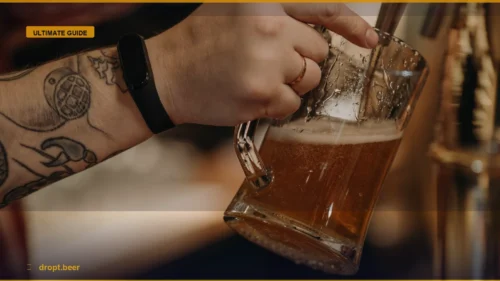
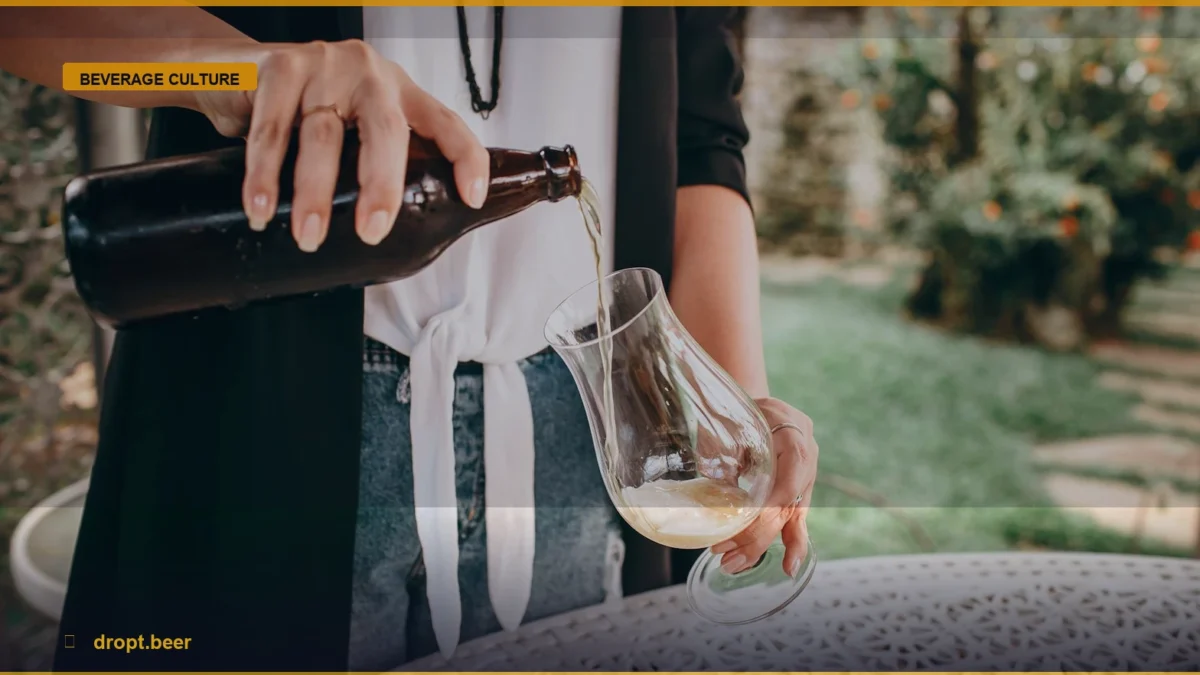
The sound isn’t the clatter of the bar or the music vibrating through the floorboards. It’s the sharp, crystalline snap of a bottle cap hitting the wood. Then, the hiss of carbonation releasing—a promise of what’s to come. You pour the liquid into a glass, watching the head form, observing the lacing as it clings to the sides. Before you take that first sip, you smell it. You aren’t just preparing to drink; you’re preparing to engage.
\n
Intentional drinking isn’t about restriction. It’s about presence. It is the active decision to treat your beverage as a destination rather than a quick stop on the way to feeling buzzed. Whether you are sipping a low-ABV table beer or a complex, high-proof spirit, the goal remains the same: treat the liquid as a craft product worthy of your full attention.
\n\n
The Architecture of Choice
\n
We’ve spent decades equating ‘a good time’ with ‘a high volume of drinks.’ The industry is finally correcting this. According to the Brewers Association’s 2024 data, the growth in the craft sector is increasingly driven by consumers who view beer as a culinary experience rather than a commodity. When you choose to drink intentionally, you stop being a passive recipient of whatever is on tap and become an active participant in the drinking culture.
\n
The BJCP (Beer Judge Certification Program) guidelines serve as a perfect blueprint for this shift. They don’t just list flavors; they provide a language for what is happening in your glass. When you learn to identify esters, phenols, or hop-derived oils, you stop guessing and start knowing. You move from saying ‘I like this’ to ‘I appreciate the balance of biscuit malt and citrus-forward hops in this pale ale.’ This shift in vocabulary changes the entire physiological experience of the drink. You stop chugging and start savoring.
\n\n
Curating Your Glass
\n
If you’re going to drink, make it count. This means rejecting the ‘anything will do’ mentality. Visit a local brewery like Sydney’s Wildflower Brewing and Blending, where the focus on spontaneous fermentation and local ingredients forces you to slow down. You can’t rush a beer that took months to develop its character in a barrel. You have to meet it where it is.
\n
This mindset applies to spirits, too. A high-quality gin deserves more than a plastic cup of tonic. It demands a clean glass, proper ice, and the right ratio. When you respect the effort the producer put into the distillation, you elevate your own experience. It’s about recognizing the human story behind the label. The brewer, the distiller, the farmer—they’re all sitting at the table with you.
\n\n
The Science of Less
\n
Most of us have been taught that more is better. Biology suggests the opposite. The WSET (Wine & Spirit Education Trust) emphasizes the importance of palate fatigue. After a certain amount of liquid, your taste buds become overwhelmed. You stop tasting the nuances of the grain or the botanical complexity of the spirit. By drinking less, you actually increase your capacity to enjoy the drink.
Related: The Thoughtful Pour: Why Drinking Less
\n
Think about the last time you had a truly great beer. Was it the first one or the fourth one? It was the first. The first sip is when your senses are sharpest. Intentional drinking means protecting that sharpness. It means knowing when to stop or when to switch to a non-alcoholic alternative that has been treated with the same respect as the alcoholic version. At Dropt.beer, we advocate for the ‘one drink, one glass’ rule. Don’t let your next drink blur the memory of the one you just finished.
\n\n
Finding Your Lane
\n
We are currently living through a golden age of beverage variety. From the explosion of non-alcoholic craft beers to the revival of heritage spirits, the options are endless. But choice can be a burden if you don’t have a compass. Your compass is your own curiosity.
\n
Don’t just drink what your friends are drinking. Seek out the styles that challenge your current preferences. If you’re a lager drinker, try a dry-hopped saison. If you love heavy peat, find a delicate, high-altitude rum. The more you explore, the more you refine your palate. And the more refined your palate becomes, the less you’ll be satisfied by mass-produced, uninspired liquids. That is the ultimate goal of intentional drinking. It isn’t just a way to drink; it’s a way to live a more flavorful life.
\n\n
\n\n
Frequently Asked Questions
\n
How does intentional drinking differ from just ‘drinking less’?
\n
Drinking less is a quantitative limit, while intentional drinking is a qualitative shift. It’s about the presence of mind you bring to the act. You can drink one beer and still be an unintentional drinker if you aren’t paying attention to the flavor, aroma, and craft. Intentional drinking is about active engagement, curiosity, and respect for the liquid in your glass, regardless of the volume.
\n
\n
\n
Does intentional drinking mean I have to stop drinking alcohol entirely?
\n
Absolutely not. Intentional drinking is agnostic toward alcohol content. It is about the quality of the experience. Many intentional drinkers enjoy high-ABV spirits or traditional beers; they simply choose to do so in a way that prioritizes flavor appreciation over intoxication. The goal is to ensure that when you do drink, you are doing so with awareness and appreciation, whether the drink contains alcohol or not.
\n
\n
\n
How can I start drinking more intentionally at a busy bar?
\n
Start by asking the bartender one question about the product before you order. Ask about the origin, the brewing method, or why they chose that specific garnish. That single interaction changes your mindset from ‘consumer’ to ‘learner.’ Additionally, always order a glass of water alongside your drink. This forces you to pace yourself and keeps your palate clean, ensuring that your last sip of the night is just as enjoyable as your first.
\n
\n
\n
What is the best way to develop my palate for intentional drinking?
\n
Stop drinking the same thing every time. The best way to build your palate is through comparative tasting. Buy two different examples of the same style—say, two different West Coast IPAs—and drink them side-by-side. Focus on the differences in bitterness, malt backbone, and aroma. By isolating variables, you train your brain to recognize and value specific components, which makes you a much more discerning and intentional drinker.
\n
\n
\n
\n