Quick Answer
\n
Thoughtful drinking is the practice of prioritizing quality, context, and personal intent over sheer volume. You should curate your intake by choosing high-quality, craft-focused beverages and treating every drink as an intentional sensory experience rather than a default habit.
\n
- Match your drink to the occasion, not just your thirst.
- Prioritize independent producers who value transparency and raw ingredients.
- Master the ‘one-for-one’ rule: alternate every alcoholic drink with a premium non-alcoholic option.
\n
\n\n
Editor’s Note — Marcus Hale, Editor-in-Chief:
\n
I firmly believe that the era of ‘mindless consumption’ is officially dead, and frankly, good riddance. If you are still drinking whatever is cheapest or most convenient, you are missing the entire point of why we bother with fermentation in the first place. In my years covering this industry, I have seen too many drinkers treat a world-class IPA like a soft drink. Grace Thornton is the rare voice who understands that sobriety and indulgence aren’t enemies; they’re two sides of the same coin. Read her advice, then go buy one bottle of something truly exceptional instead of a six-pack of mediocrity.
Related: The Art of Thoughtful Drinking: How
\n
\n\n
The First Sip Matters
\n
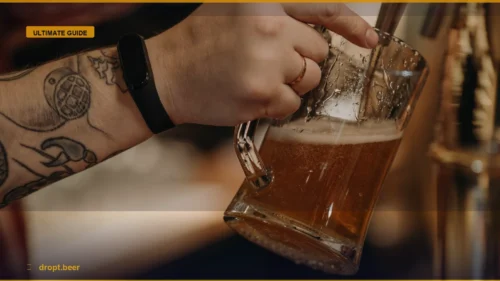
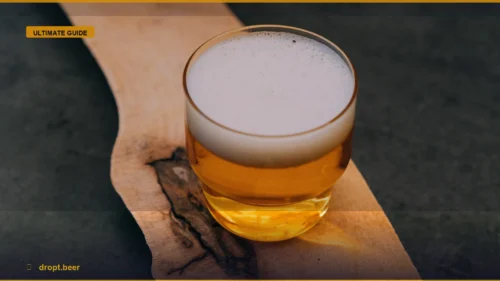
The condensation beads on the side of a glass, cold enough to leave a ring on the timber bar top. You lift the glass, catching the scent of citrus oils and pine needles before the liquid even hits your tongue. That moment of anticipation—the pause before the swallow—is where drinking transforms from a habit into a practice. It isn’t about the alcohol content; it’s about the intention you bring to the glass.
\n\n
Most of us treat drinking like background noise, something that happens alongside a meal or a conversation without much thought. I’m arguing for the exact opposite. To drink thoughtfully is to reclaim your palate and your agency. It means moving away from the ‘autopilot’ pour and toward a curated experience where quality always dictates quantity. If you can’t tell me why you chose that specific beer or spirit, you probably shouldn’t be drinking it.
\n\n
The Shift Toward Intentionality
\n
Walk into a modern bottle shop and the landscape has changed. It’s no longer just about picking a label you recognize. The Brewers Association 2024 data highlights a massive surge in consumer demand for transparency and small-batch production. We’re seeing drinkers move away from mass-market lagers toward styles that demand attention—think of a complex, barrel-aged wild ale or a single-origin mezcal that tastes like the very soil it was harvested from.
\n\n
This shift isn’t just about ‘health’ in the traditional sense; it’s about valuing your time and your physical state. When you choose a drink with 0.5% ABV that has been brewed with the same care as a high-octane double IPA, you’re engaging with the craft without the physical toll. It’s a sophisticated evolution. You aren’t ‘settling’ for a non-alcoholic option; you’re choosing a beverage that allows you to remain sharp while still enjoying the ritual of a complex, fermented drink.
\n\n
Defining Your Personal Standard
\n
The BJCP guidelines provide an excellent framework for understanding what constitutes a ‘correct’ beer style, but those guidelines are a floor, not a ceiling. Use them to understand the history and the intent of the brewer, but don’t let them dictate your palate. You should be looking for producers who are doing something distinct. Look for the small local brewery that sources their hops from a single farm in Tasmania, or the distillery that openly lists their mash bill and fermentation times.
Related: The Art of Thoughtful Drinking: A
\n\n
Think about the last drink you had. Was it memorable? If you can’t remember the profile—the way the bitterness faded into a malt sweetness, or the warmth of the alcohol on the back of your throat—then you were just consuming, not tasting. Start small. Buy one bottle of something you’ve never tried from a producer whose story you find compelling. Put your phone away. Sit with the glass for five minutes. You’ll find that a single, excellent drink provides more satisfaction than three mediocre ones.
\n\n
Building a Mindful Routine
\n
If you’re going to drink, make it count. My advice is to implement a ‘veto power’ system for your home fridge. If a drink doesn’t genuinely excite you, don’t keep it in the house. It’s easy to reach for a generic pale ale when you’re tired after work, but having a selection of high-quality, low-ABV options—like a dry-hopped sparkling tea or a complex NA craft beer—gives you a better alternative. You’ll find that when you remove the ‘default’ options, you stop drinking on autopilot.
\n\n
At dropt.beer, we believe that the best drinking culture is one where you are always in the driver’s seat. It’s not about rules or restriction; it’s about expansion. When you drink with intent, you discover notes you never noticed before. You appreciate the work of the brewer. You respect the craft. And ultimately, you enjoy the drink more, even if you’re drinking less of it. That is the true mark of a sophisticated drinker.
\n\n
\n\n
Frequently Asked Questions
\n
Does drinking ‘thoughtfully’ mean I have to stop drinking alcohol entirely?
\n
Absolutely not. Thoughtful drinking is about quality and intention, not total abstinence. It means choosing to drink things you truly value rather than consuming alcohol out of habit, social pressure, or boredom. It’s about balance—being able to enjoy a world-class craft beer when you want one, and choosing a sophisticated, flavorful non-alcoholic option when you don’t want the effects of alcohol. You remain in control of the experience at all times.
\n
\n
\n
How do I know if a non-alcoholic beer is actually ‘craft’?
\n
Look for the same cues you use for alcoholic beer: transparency and process. A true craft NA beer will list its ingredients clearly and often highlight the specific brewing method—such as arrested fermentation or vacuum distillation—used to preserve flavor. Avoid mass-market NA brands that rely on heavy sweeteners or artificial flavorings to hide a lack of body. If the label doesn’t tell a story about how it was made, it’s likely not worth your time.
\n
\n
\n
Why does the ‘one-for-one’ rule work so well?
\n
The one-for-one rule—alternating every alcoholic drink with a non-alcoholic one—works because it forces you to slow down. It keeps you hydrated, which reduces physical fatigue, and it breaks the ‘rapid consumption’ cycle that leads to mindless drinking. By inserting a pause, you give your palate time to reset, allowing you to actually taste the next alcoholic drink you choose. It’s a simple, actionable strategy that keeps you engaged with the social environment without over-consuming.
\n
\n
\n
Is craft beer getting better at making low-ABV options?
\n
Yes, significantly. In the past, low-ABV beers were often thin or watery because brewers struggled to retain mouthfeel without the sugar and alcohol content. Today’s craft brewers are using advanced techniques—like specialized yeast strains and mash temperature manipulation—to create low-ABV beers that have the same body and complexity as their full-strength counterparts. The gap in quality has largely closed, making it easier than ever to find a flavorful, sessionable beer that respects your desire for a lighter pour.
\n
\n
\n
\n