Quick Answer
\n
Authenticity in your glass is found by prioritizing local production, ingredient transparency, and the specific narrative of the producer over mass-market branding. Seek out independent venues that focus on singular, high-quality portfolios rather than volume-driven taps.
\n
- Look for “Independent” seals on packaging or brewery websites.
- Ask your bartender about the provenance of the malt or grains used.
- Prioritize taprooms that rotate local, seasonal offerings over permanent, year-round lineups.
\n
\n\n
Editor’s Note — Sophie Brennan, Senior Editor:
\n
I firmly believe that the industry’s obsession with “lifestyle branding” has actively damaged our ability to taste quality. Most people miss that a compelling backstory is often a mask for mediocre liquid; I always recommend judging a brewery by their lager or house ale, not their marketing budget. Sam Elliott is the perfect guide for this because he spends his nights in the weeds of the hospitality industry, watching who actually cares about their pours. In my years covering fermentation, I’ve seen too many drinkers get swindled by aesthetics. Visit a local independent taproom this weekend and order the most basic beer on the menu.
\n
\n\n
The Myth of the Big Brand Narrative
\n
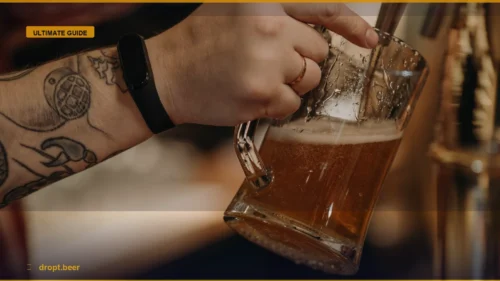
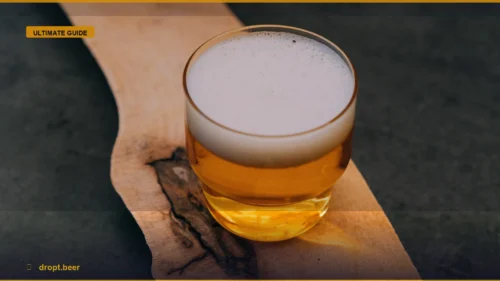
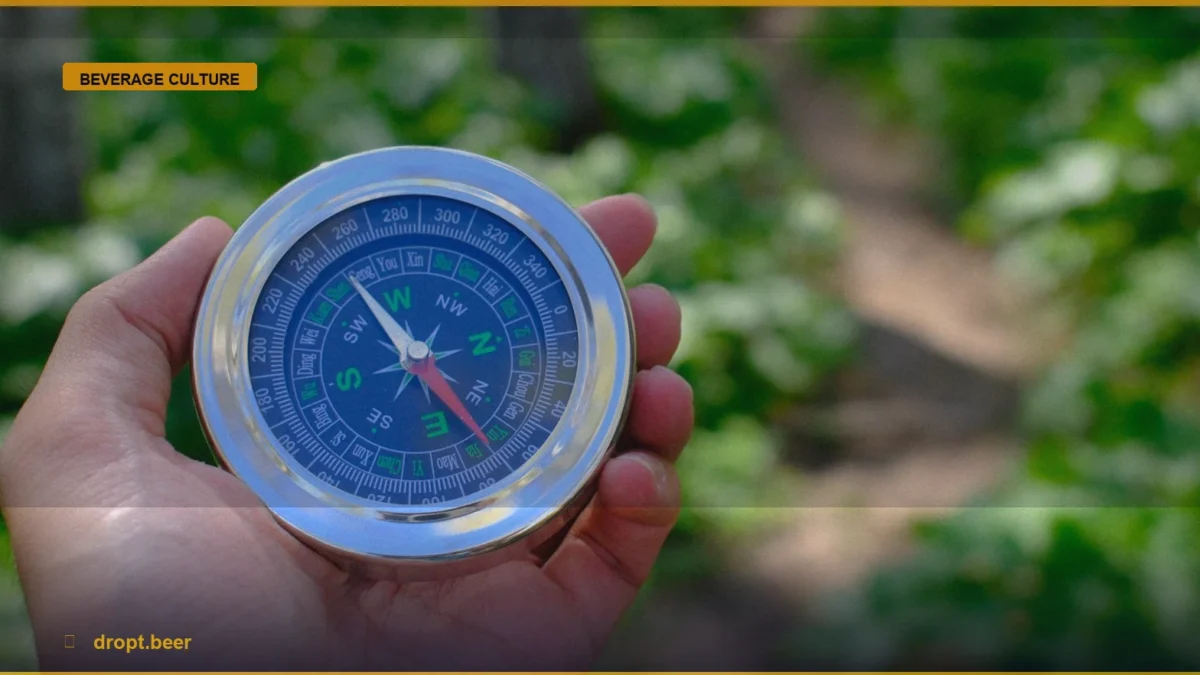
The air inside a truly great bar has a specific weight to it. It’s the smell of floor cleaner mixed with the faint, sweet musk of yeast and the sharp, metallic tang of a cooling system working overtime. You walk in, the light is dimmed just enough to feel intimate, and the person behind the stick isn’t trying to sell you a lifestyle. They’re trying to sell you a drink. That is the moment where the modern drinker’s compass should point. Forget the glossy ads and the “curated” experiences that dominate your social media feeds. Authenticity isn’t found in a marketing meeting; it’s found in the glass.
\n
We are currently living through a period of extreme noise in the beverage world. Everyone is a brand. Every brewery is a “community hub.” Every spirit is “artisanal.” But the reality is that the vast majority of what is shoved in front of you is designed to be inoffensive, scalable, and profitable. If you want to drink with intention, you have to stop acting like a customer and start acting like a participant. You need to verify the source, because the label on the bottle is rarely telling you the full story.
\n
The Authority of the Independent
\n
According to the Brewers Association, an independent craft brewer is defined by their small size and traditional production methods, but the real marker is their lack of outside, corporate influence. When you choose a beer from a brewery that isn’t owned by a global conglomerate, you are voting for a system that allows for experimentation. It is the difference between a mass-produced product that tastes the same in London as it does in Sydney, and a beer that captures the specific water profile and hop harvest of its home region.
\n
The BJCP guidelines categorize beer styles with scientific precision, but they also highlight the importance of “character.” A mass-produced lager is stripped of character to ensure it doesn’t offend the palate of the average commuter. An authentic craft beer—take, for example, the nuanced, earthy bitterness of a well-executed Czech-style pilsner from a small producer like Brick Lane or a local boutique outfit—is designed to be experienced. It has edges. It has a point of view. If you aren’t drinking something that challenges your expectations, you are settling for a beverage that was engineered to be forgotten.
\n
The Protocol of the Informed Drinker
\n
You should never be afraid to ask questions. If a bar is pouring something, they should be able to tell you where it came from and why they chose to put it on the line. If the staff shrugs or points to a sales representative’s recommendation, walk away. A venue’s selection is a reflection of their values. If they value quality, they will be able to explain the provenance of their products. It is that simple.
\n
The Oxford Companion to Beer notes that the history of brewing is fundamentally a history of local geography. Ingredients were once determined entirely by what could grow within a day’s travel of the brewhouse. While we have the luxury of global logistics now, the best producers are the ones who mimic that local focus. They source grain from nearby farms. They partner with local fruit growers. When you drink a beverage made with local intent, you aren’t just consuming alcohol; you are consuming the landscape of the region. That is the definition of a premium experience, and it has nothing to do with the price tag.
\n
Beyond the Hype
\n
We need to stop chasing the “newest” thing. The industry thrives on FOMO—fear of missing out—because it drives sales of limited-run, high-alcohol, adjunct-heavy beers that often rely on sugar and additives to hide flaws in the base liquid. A truly talented brewer doesn’t need to dump fifteen pounds of vanilla extract into a stout to make it interesting. They need a solid malt base and a clean fermentation. If you find yourself constantly hunting for the next hyped-up can release, try to slow down. Spend a month drinking only what your local independent brewery produces as their flagship. You will learn more about quality in that thirty days than you will in a year of chasing trends.
\n
Ultimately, your drinking habits are a reflection of your curiosity. If you want to find authentic experiences, you have to be willing to look past the branding. Go to the bar, talk to the staff, and look for the labels that don’t look like they were designed by a focus group. Drink with your eyes open. Drink for the story, not the logo. And keep checking in with us at dropt.beer to see how we’re navigating the changing tides of the industry.
\n\n
\n\n
Frequently Asked Questions
\n
How can I tell if a brewery is truly independent?
\n
Look for the “Independent Craft Brewer” seal—a small, inverted beer bottle logo—on the packaging or their website. If you don’t see it, check the brewery’s “About Us” page. If they are owned by a multinational conglomerate, they will rarely mention their parent company prominently. If they don’t explicitly state their independence, assume they are part of a larger corporate entity.
\n
\n
\n
Does price indicate better quality?
\n
No. Often, a high price tag is a result of expensive marketing, flashy packaging, or high-cost adjunct ingredients used to mask poor brewing technique. A well-made, simple pilsner or bitter from a local, independent producer is often the best indicator of a brewer’s skill. Price is more likely to reflect labor costs and scale than it is the actual quality of the liquid inside the glass.
\n
\n
\n
Why should I prioritize local ingredients?
\n
Local ingredients provide a sense of place, or ‘terroir,’ which is as important for beer and spirits as it is for wine. Using locally sourced grain and hops reduces the carbon footprint of the beverage and ensures the producer is connected to the agricultural cycle of their region. It forces the brewer to work with what is available, which often results in more unique, honest flavor profiles that mass-produced, globally-sourced ingredients cannot replicate.
\n
\n
\n
Is it rude to ask a bartender about the beer’s origin?
\n
Not at all. A professional bartender who cares about their craft will appreciate the question. It shows you are an engaged drinker. If they seem annoyed or genuinely don’t know, it’s a sign that the establishment prioritizes convenience over quality. A good bar is a place of conversation; use your curiosity to start one. It is the only way to ensure you are getting a recommendation based on substance rather than inventory management.
\n
\n
\n
\n