Quick Answer
Authenticity is found by avoiding high-traffic tourist strips and seeking out venues that prioritize local production over mass-market convenience. If a place relies on loud marketing to claim “tradition,” it’s usually the first one you should skip.
- Look for producers listed in independent craft associations rather than global conglomerates.
- Ask staff where they drink on their night off—never where they recommend to tourists.
- Prioritize regions with defined production standards, like protected geographical indications.
Editor’s Note — Diego Montoya, Beer & Spirits Editor:
I firmly believe that if you aren’t uncomfortable when searching for the “real” version of a drink, you’re likely being sold a performance. In my years covering mezcal and craft beer, I’ve learned that the best spots rarely have an Instagram-friendly sign out front; they have sticky floors and a line of regulars who couldn’t care less about your camera. I chose Grace Thornton for this piece because she understands that true beverage culture isn’t about luxury—it’s about integrity. Stop chasing the “must-visit” lists from travel bloggers and find the places that serve the locals first.
The smell of a proper pub isn’t just old beer. It’s the scent of damp wool, wood polish, and the faint, sweet hum of a cooling system working overtime in the cellar. It’s a smell that tells you you’re somewhere that values the pour over the profit margin. When you walk into a place like The Pot Still in Glasgow, you aren’t just getting a dram of whisky; you’re stepping into a space that has prioritized the liquid for generations. That, to me, is the gold standard of authenticity.
Authenticity isn’t a marketing buzzword you can slap on a menu to charge an extra five dollars. It is an intentional practice of choosing substance over the spectacle. If we want to support the craft brewers and distillers who are actually doing the work, we have to stop settling for the shiny, tourist-optimized “experience” and start looking for the quiet, consistent excellence that defines real drinking culture.
The Myth of the Destination Bar
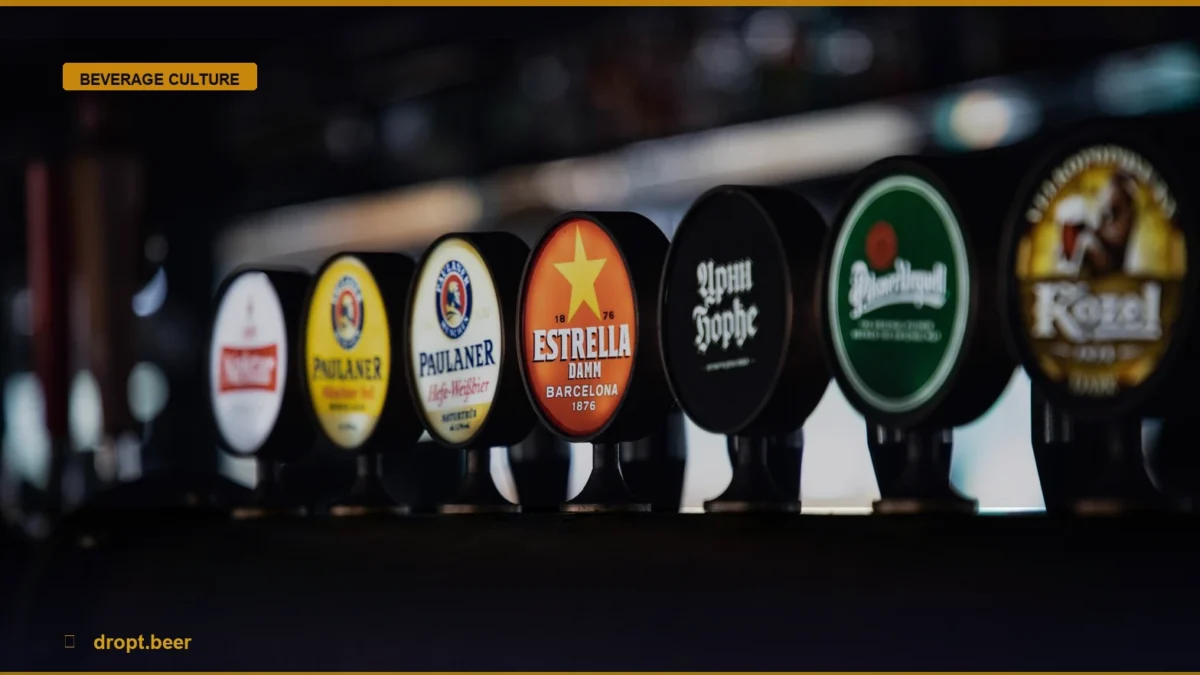
We’ve all been there. You land in a new city, pull up a travel app, and head straight for the “top-rated” spot. Usually, it’s a brightly lit room with a massive beer list—mostly lagers you can find at any airport duty-free—and a staff that treats you like a transaction. The BJCP (Beer Judge Certification Program) provides rigorous standards for style, but you won’t find those standards reflected in a bar that prioritizes volume over quality. When a venue is built for the masses, the nuances of the beverage are the first things to disappear.
The trap is the “experience” itself. You’re looking for a memory, not just a drink. But true memories in brewing and distilling are found in the margins. They’re found at a small brewery in Mexico where the brewer is still using open-top fermentation because it’s how their grandmother taught them, not because it’s efficient. According to the Brewers Association, the definition of craft is tied to independence and traditional ingredients. If the place you’re visiting is owned by a multinational holding company, the “authenticity” you’re tasting is likely just a very expensive brand strategy.
Follow the Supply Chain
If you want to know if a drink is authentic, look at the supply chain. Are they sourcing local grains? Are they working with regional farmers? The best bars and bottle shops are essentially extensions of the farms and breweries that supply them. When I visit a taproom, I’m not looking for the most expensive IPA on the board. I’m looking for the house-made saison or the local cask ale that doesn’t travel well. If it doesn’t travel well, that’s a good sign—it means it’s meant to be consumed at the source.
Think about the last time you had a truly life-changing beer. Was it in a massive, neon-lit hall, or was it tucked away in a corner where the brewer was chatting with the locals? It was almost certainly the latter. We have to stop viewing bars as tourist sites and start viewing them as community hubs. If the people drinking next to you are locals, you’re in the right place. If everyone is holding a phone and looking for a photo op, leave. Your palate—and your wallet—will thank you.
The Responsibility of the Consumer
We talk a lot about the “art” of brewing, but we rarely talk about the responsibility of the person holding the glass. Every time you buy a pint, you’re voting for the kind of world you want to see. When you buy a mass-produced “craft” beer from a conglomerate, you’re telling the market that you don’t care about the provenance of your ingredients. When you seek out a small-batch producer, you’re helping preserve a craft that might otherwise die out under the pressure of industrial expansion.
The Oxford Companion to Beer highlights that brewing is, at its heart, an agricultural endeavor. It requires land, water, and human labor. When we support local, we support the preservation of those resources. This isn’t just about being a “snob.” It’s about being a participant in a cycle that values the earth and the people who work it. Next time you travel, skip the “best of” lists. Ask a local bartender where they go when they’re off the clock. That’s your map. That’s your guide. And it’s the only way to ensure the money you spend actually goes back into the community you’re visiting. Explore more of these insights right here at dropt.beer.
Frequently Asked Questions
How can I tell if a brewery is actually independent?
Check the brewery’s website for the “Independent Craft Brewer” seal—a specific logo used by the Brewers Association. If they aren’t displaying it, look up their ownership structure. If they’re owned by a global conglomerate, they are no longer independent, regardless of how “craft” their branding looks on the shelf.
Are tourist-heavy bars ever worth visiting?
Only if you are visiting for the history of the building, not the quality of the drink. Most tourist-central bars operate on high-turnover models that prioritize speed and consistency over flavor and craft. If you want a good drink, walk three blocks away from the main tourist drag. The quality will increase, and the price will almost always decrease.
Why does local sourcing matter for beer and spirits?
Local sourcing reduces the carbon footprint of the beverage and ensures the money stays within the regional economy. Furthermore, ingredients like hops and grains have unique “terroir” based on where they are grown. Using local ingredients results in a flavor profile that is unique to that specific location, which you simply cannot replicate with mass-shipped, standardized raw materials.