Quick Answer
\n
Authentic beverage experiences are defined by provenance, transparency, and human connection rather than mass-market volume. To find them, prioritize small-batch producers over global conglomerates and seek out venues that can name the source of their pours.
\n
- Ask bartenders about the specific origin or producer of a spirit.
- Look for independent certification seals like the Brewers Association ‘Independent Craft’ logo.
- Choose local over imported to ensure the freshest expression of a drink‘s terroir.
\n
\n\n
Editor’s Note — Sophie Brennan, Senior Editor:
\n
I’ve always held that if you can’t look a producer in the eye—or at least read the name of the person who touched the raw ingredients—you’re likely settling for liquid marketing rather than craft. In my years covering the fermentation world, I’ve seen mass-market brands strip the soul out of historic styles to satisfy shareholders. I recommend avoiding anything that claims to be ‘craft’ without listing a physical address. Grace Thornton is the perfect voice for this because she understands that true mindfulness in drinking starts with knowing exactly what’s in your glass. Skip the big-box options and buy your next bottle from a local independent retailer.
\n
\n\n
The Architecture of a Proper Drink
\n
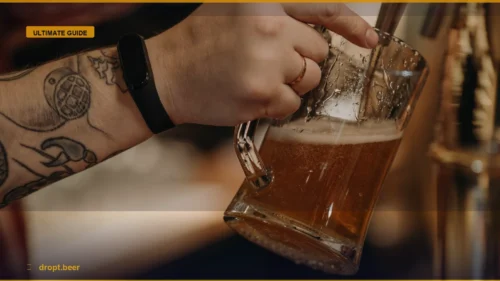
The ice clinks against the side of a rocks glass, a sharp, crystalline sound that cuts through the low-frequency thrum of a busy bar. It’s followed by the heavy, rhythmic pour of a spirit—amber, viscous, and smelling faintly of scorched oak and wild yeast. You aren’t just hearing a drink being made; you’re witnessing the end of a long, quiet process that started in a field or a malt house months ago. This is the moment where the industry’s shift toward authenticity actually lands on your palate.
\n
We are currently witnessing a necessary correction in drinking culture. For too long, we allowed marketing departments to dictate our flavor profiles, favoring consistency over character. Today, the most rewarding experiences come from seeking out the jagged edges, the seasonal variations, and the specific, idiosyncratic choices made by individual makers. If you want to drink better, stop looking for your favorite brand and start looking for the person behind the tap handle.
Related: The Art of Thoughtful Drinking: How
\n\n
Defining the Authentic
\n
Authenticity isn’t just a marketing buzzword you find on a chalkboard; it’s a measurable set of practices. According to the Brewers Association, independence is the primary pillar of the craft beer movement. When you choose an independent brewer, you’re supporting a business that answers to its own quality standards rather than a global distribution conglomerate. The same logic applies to spirits and wine. If the producer is transparent about their ingredients—whether it’s the specific variety of barley used in a single malt or the harvest date of an agave crop—you’re on the right track.
\n
Take, for instance, the approach at a place like Melbourne’s ‘The Everleigh.’ They don’t just serve a classic cocktail; they serve a curated history of the drink, using spirits that reflect a commitment to traditional production methods. When you order there, you aren’t just consuming alcohol; you’re engaging with a philosophy of hospitality. You should apply this same standard to your home bar. If you’re buying a bottle, flip it over. If the label doesn’t tell you where the liquid was distilled or fermented, put it back. You deserve to know the provenance of your pleasure.
\n\n
The Role of Terroir in the Glass
\n
Terroir is often reserved for the winemaking world, but it’s becoming the defining factor for high-end spirits and craft beer as well. The BJCP (Beer Judge Certification Program) guidelines emphasize the importance of ingredients reflecting their origin, and we’re seeing that manifest in the rise of hyper-local grain sourcing. When a brewer uses hops grown in the valley next to their brewery, the resulting beer carries a nuance that a mass-produced product simply can’t replicate. It tastes like a place.
\n
You can train your palate to recognize this. Start by drinking two versions of the same style—a mass-market lager and a local, independently brewed version. Smell them side-by-side. The mass-market option will likely smell like nothing, or perhaps a faint sweetness. The local beer will have the smell of fresh grain, grassy hops, or even a hint of mineral water from the local supply. That difference isn’t just flavor; it’s integrity. It’s the difference between a product designed to be inoffensive and one crafted to be interesting.
\n\n
Navigating the Market
\n
It’s tempting to feel overwhelmed by the sheer volume of choices on the shelf. The temptation is to stick with what you know, but that’s how you end up in a rut. Instead, use the ‘one-for-one’ rule. Every time you buy a bottle you’ve had before, pair it with one you’ve never heard of. Ask the clerk why they stock it. If they can’t tell you a story about the producer, keep looking. A good bottle shop is a library, and the staff are your librarians; treat them as such.
\n
We’re moving away from the era of the ‘brand loyalist’ and into the era of the ‘producer loyalist.’ It’s a subtle distinction that changes everything. You aren’t loyal to a logo anymore; you’re loyal to the craft of a specific distillery or brewery. This is how you build a drinking life that actually feels authentic. It’s about curating your own experience rather than having it curated for you by a boardroom. Keep your standards high and your glass curious, and you’ll find that the quality of your drinks—and the quality of your conversations—improves significantly. For more guides on navigating the best of the industry, keep checking in with us at dropt.beer.
\n\n
\n\n
Frequently Asked Questions
\n
How can I tell if a spirit is truly ‘craft’?
\n
Look for transparency on the label. A genuine craft spirit will clearly state the distillery’s location and often the specific source of the raw ingredients. If the label is vague or hides the origin behind a parent company name, it is likely a mass-market product disguised as craft. Always look for the producer’s name rather than a marketing brand name.
Related: The Art of Intentional Drinking: How
\n
\n
\n
Is local always better than imported?
\n
Not necessarily, but local is almost always fresher. For products like craft beer or fresh cider, local is superior because it hasn’t traveled long distances, which can degrade the flavor profile. For spirits like tequila or aged whiskies, geographic origin is essential. The key is to prioritize independent producers who respect the tradition of their specific region, whether that region is down the street or on the other side of the world.
\n
\n
\n
Why does the Brewers Association ‘Independent Craft’ seal matter?
\n
The seal is a visual indicator that a brewery is not owned by a global conglomerate. It ensures that the money you spend goes back into a smaller, independent business that answers only to its own brewing team. It’s a simple way to verify that the beer you are buying was made by people who prioritize quality and creativity over maximizing shareholder value and market share.
\n
\n
\n
How do I start training my palate?
\n
The best way to train your palate is through side-by-side comparison. Buy two versions of the same style—one mass-produced and one small-batch. Pour them into identical glasses and taste them back-to-back. Focus on the aroma, the mouthfeel, and the finish. By forcing your brain to identify the differences in quality, texture, and flavor, you will quickly learn to recognize the characteristics that define authentic, well-crafted beverages.
\n
\n
\n
\n