Quick Answer
Intentional drinking is the practice of choosing quality over quantity to elevate the sensory experience of every pour. You should replace mindless consumption with a curated approach by prioritizing provenance, sensory engagement, and personal limits.
- Research the brewery or distillery before you buy to understand their process.
- Track your intake using a physical journal to increase awareness of your habits.
- Set a ‘quality ceiling’—only drink what you truly enjoy, rather than what is available.
Editor’s Note — Tom Bradley, Drinks Editor:
I firmly believe that the most dangerous thing you can do to your palate is to drink out of habit. In my years covering the industry, I have seen too many drinkers treat a $20 craft IPA with the same lack of care as a bottom-shelf lager. You shouldn’t drink just to fill a gap in your day; you should drink to engage with the craft. I brought Grace Thornton in because her clinical understanding of mindful consumption bridges the gap between biological health and the appreciation of complex flavors. Put down the ‘everyday’ bottle and seek out something that demands your full attention tonight.
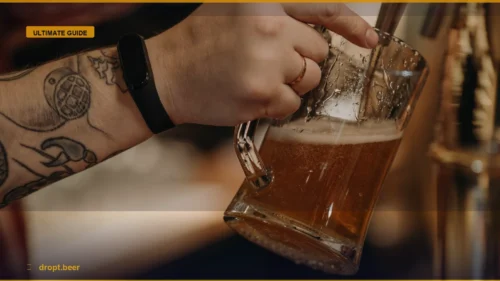
The first thing you notice isn’t the alcohol; it’s the condensation slicking the glass, the faint, bready aroma of malted barley, and the sharp, floral bite of noble hops. You’re sitting at a small bar in Melbourne, the kind where the noise is kept at a low, conversational hum and the fridge isn’t packed with mass-produced filler. You take a sip. It’s not just a drink; it’s a decision.
Intentional drinking is the only way to genuinely enjoy the current golden age of beverages. We are living through an era of unprecedented choice, yet we often default to autopilot, grabbing whatever is closest or cheapest. This is a mistake. To be a discerning drinker is to demand more from your glass, to treat your intake as a curated experience rather than a background activity. If you aren’t paying attention to what you’re drinking, you’re missing the point of the craft entirely.
The Myth of Moderation vs. The Reality of Quality
We often hear that drinking less is the only path to wellness, but that misses the joy of the craft. According to the BJCP (Beer Judge Certification Program) guidelines, the focus should always be on the harmony and balance of ingredients. When you prioritize the quality of the liquid, you naturally find your own limit because you are no longer drinking for effect; you are drinking for the profile.
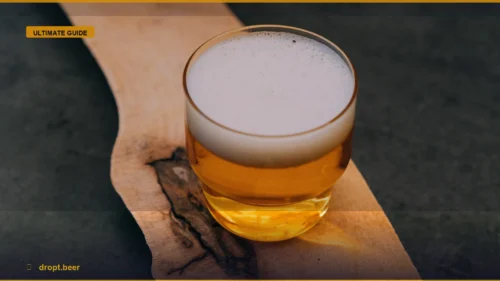
Think about the last time you truly savored a drink. Was it a complex, wood-aged sour from a local specialist, or was it a lukewarm lager at a busy pub? The difference isn’t just in the flavor; it’s in the intention. When you treat your beverage as a luxury, you naturally slow down. You analyze the mouthfeel, the carbonation, and the finish. This is the antithesis of mindless consumption.
The Provenance of the Pour
You need to know who made your drink. The Brewers Association highlights that independent craft breweries are the lifeblood of innovation, yet we often ignore the people behind the labels. When you purchase a beer, check the origin. Is it brewed locally? Does the brewery have a commitment to sustainable sourcing? These aren’t just ethical questions—they are markers of quality.
Consider the difference between a high-volume product and a small-batch release. The former is engineered for stability and profit; the latter is brewed for expression. If you’re going to spend your hard-earned money, put it toward producers who value their process. Take a look at a brewery like Wildflower in Sydney; their focus on wild fermentation and local ingredients turns a simple beer into a narrative. You aren’t just drinking liquid; you’re drinking their environment and their philosophy.
Structuring Your Own Rituals
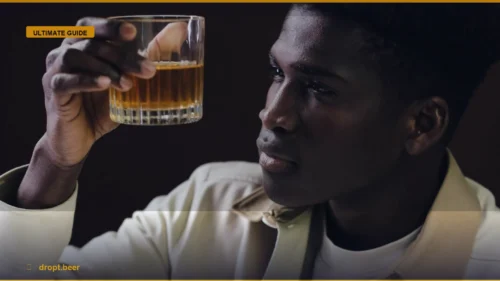
How do you actually practice this? It starts with the environment. Never drink while you’re distracted by a screen or rushing to finish a task. Your palate is a sensory instrument, and it requires focus to pick up on the subtle notes of stone fruit in a wheat beer or the peat smoke in a scotch. If you can’t focus on the drink, it’s probably not the right time to have one.
I recommend keeping a simple log. Note the producer, the style, and one specific flavor profile you detected. This isn’t about being pretentious; it’s about building a memory. When you document what you enjoy, you stop buying things you don’t actually like just because they’re on sale. You learn your own preferences, which is the ultimate form of intentionality.
The Future of Your Glass
The industry is moving toward a model where the consumer is a participant, not just a recipient. We are seeing a move away from the ‘more is better’ culture that dominated the last century. People want to know the story, the science, and the sweat behind the bottle. Whether it’s a non-alcoholic craft ale or a high-proof spirit, the rules remain the same: seek out the best, respect the craft, and stay present.
We at dropt.beer believe that the best drinking experiences are the ones you remember because you were fully there for them. Stop settling for the mediocre. Find the drink that speaks to you, take your time, and appreciate the work that went into it. That is how you master the art of the pour.
Frequently Asked Questions
How can I tell if a beer is high quality?
Look for clarity in the marketing and transparency in the ingredients list. Quality brewers are proud of their process and usually list their hop varieties, malt bills, or fermentation methods. Avoid brands that rely heavily on vague buzzwords like ‘crisp’ or ‘refreshing’ without providing any technical details about the liquid itself.
Does intentional drinking mean I have to stop drinking alcohol?
Absolutely not. Intentional drinking is about the relationship you have with your consumption, not the total absence of alcohol. It is a framework for making better choices, whether that means choosing a high-quality craft beer, a complex non-alcoholic spirit, or a fine wine. It is about prioritizing your experience and your health by being conscious of why and how you drink.
Why does provenance matter for flavor?
Provenance dictates the quality of raw materials and the integrity of the production process. A brewery that sources local water and malted grains will produce a fresher, more characterful product than one that relies on industrial-scale, mass-shipped ingredients. Knowing the source allows you to predict flavor profiles and ensures that you are supporting a supply chain that values the final output over sheer volume.