Quick Answer
You don’t need expensive alcohol-free spirits to make a great drink. High-quality shrubs, house-made tinctures, and premium tonics provide the structural complexity usually missing from non-alcoholic options.
- Use shrubs (vinegar-based syrups) to replicate the ‘bite’ and mouthfeel of ethanol.
- Prioritize fresh acid; lime juice loses its character within twenty minutes of juicing.
- Build drinks with a 3:1 ratio of mixer to carbonated topper to maintain intensity.
Editor’s Note — Sophie Brennan, Senior Editor:
I’ve always held that the greatest sin in modern mixology is the ‘sugar-water trap’ of non-alcoholic drinks. If you aren’t providing tension—that push-pull of bitterness, acid, and spice—you’re just serving juice to an adult. In my years covering the resurgence of botanical beverages, I’ve found that the best bartenders treat non-alcoholic mixers with more reverence than they do spirits. I trust Grace Thornton to guide you here because she treats low-alcohol options as a culinary challenge rather than a consolation prize. Stop buying mass-market sodas and start building your own flavor profiles tonight.
The Bitter Orchard Sour
Ingredients
- 60ml cloudy apple juice
- 20ml ginger-thyme shrub
- 15ml fresh lemon juice
- 2 dashes orange bitters (check labels for trace alcohol or use alcohol-free bitters)
- Top with soda water
Method
- Combine apple juice, shrub, lemon juice, and bitters in a shaker.
- Add ice and shake vigorously for fifteen seconds until chilled.
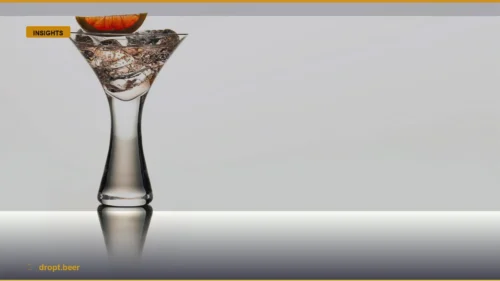
- Strain into a chilled Nick & Nora glass.
- Top with a splash of soda water to release the aromatics.
Garnish: A single slapped sprig of fresh thyme to release the essential oils.
Grace Thornton’s tip: Always slap your herbs against the back of your hand before garnishing—it breaks the cell walls and releases the scent without bruising the leaves.
The smell hits you first. It’s not the sharp, medicinal sting of high-proof ethanol but the earthy, peppery snap of bruised thyme and the bright, acidic punch of fresh citrus. You’re standing at your home bar, or perhaps a crowded counter in a dimly lit Melbourne laneway, and you’re faced with a choice: do you settle for a flat, sugary soda, or do you build something that actually commands attention?
The truth is, if you’re drinking without alcohol, you shouldn’t have to sacrifice the structural integrity of your glass. Most people approach non-alcoholic drinking by subtraction—taking the spirit out and leaving a void. That is the wrong approach. You need to approach it through addition. By focusing on high-quality mixers, shrubs, and bitters, you create a drink that stands on its own merits rather than trying to mimic a ghost of a spirit that isn’t there.
The Anatomy of a Non-Alcoholic Build
When you look at the classic definition of a cocktail, it relies on balance: spirit, sugar, water, and acid. The BJCP guidelines for beer often highlight the importance of attenuation and carbonation for mouthfeel. In the world of non-alcoholic mixing, you have to engineer that mouthfeel yourself. Without the viscosity of alcohol, your drink can feel thin and fleeting. This is where you need to get aggressive with your ingredients.
Start with acidity. Fresh citrus is non-negotiable. If you’re using bottled lime juice, you’re already losing the battle. The oils in the peel provide a depth that shelf-stable juice simply cannot match. Use a vegetable peeler to remove strips of zest before you juice the fruit, and express those oils over your glass. It’s the difference between a drink that feels ‘made’ and one that feels ‘poured’.
Shrubs: Your Secret Weapon
If you want the sophisticated ‘burn’ of a spirit, look to shrubs. These are essentially fruit syrups preserved with vinegar. The acetic acid provides a sharp, complex backbone that cuts through sweetness and stimulates the palate in a way that sugar alone never will. Anyone who has spent time behind a bar knows that vinegar is the unsung hero of the non-alcoholic pantry.
You can make a blackberry-balsamic shrub in twenty minutes. Macerate the berries with sugar, let them sit, and whisk in a splash of good-quality vinegar. When you mix this with soda water, you’re getting a drink that has complexity, history, and a lingering finish. It feels like an adult beverage because it engages your senses in multiple ways. The Oxford Companion to Beer often talks about the ‘finish’ of a brew; apply that same logic here. If the flavor disappears the second you swallow, you haven’t built a drink—you’ve built a soft drink.
The Role of Bitters and Botanical Infusions
Bitters are the salt and pepper of the cocktail world. They provide the bridge between the high notes of your fruit and the deep, dark base of your shrubs. While many traditional bitters contain trace amounts of alcohol, the industry is shifting. You’ll find increasingly sophisticated alcohol-free bitters on the market that utilize glycerin or vinegar bases to carry those heavy botanical notes.
Think about the aromatics. Rosemary, cardamom, star anise, and toasted peppercorns are your best friends. Infusing these into a simple syrup takes minimal effort but adds a layer of depth that keeps your guests guessing. If you’re at a bar, don’t be afraid to ask for a house-made tonic or a shrub-based soda. If they don’t have one, ask for a splash of bitters in soda water with a fresh citrus twist. It’s a classic for a reason.
Temperature and Texture
We often forget that temperature is an ingredient. A non-alcoholic drink served warm or with melting, watery ice is a tragedy. Use large, solid ice cubes. The smaller the ice, the faster it melts, and the faster your drink becomes a watered-down mess. If you’re mixing, build the drink in a chilled glass. It seems small, but these details define the drinking experience.
At dropt.beer, we’ve always maintained that thoughtfulness is the hallmark of a good drinker. Whether you’re nursing a complex Belgian ale or a zero-proof shrub soda, the focus should be on what’s in the glass. Don’t just settle for the easiest option. Take the time to build, balance, and garnish. You’ll find that the ritual of the drink is just as satisfying as the consumption itself.
Frequently Asked Questions
Are non-alcoholic mixers actually healthy?
They are generally better than standard sodas, but you must watch the sugar content. Many commercial mixers are essentially liquid candy. By making your own shrubs or using fresh herbs and dry tonics, you control exactly how much sugar goes into your glass. If you prioritize fresh, whole ingredients, you’re avoiding the processed additives found in mass-market soft drinks.
How do I store homemade mixers?
Store all homemade syrups and shrubs in sterilized glass bottles in the back of your refrigerator. Because they lack preservatives, they won’t last forever. Simple sugar syrups will stay fresh for about two weeks, while vinegar-based shrubs can last up to a month. Always use a clean pourer and never drink directly from the bottle to avoid introducing bacteria.
Can I use bitters in a non-alcoholic drink?
Most traditional cocktail bitters contain a high percentage of alcohol. However, you are only using a few dashes, which makes the total alcohol content negligible. If you are strictly avoiding alcohol for medical or personal reasons, look for ‘alcohol-free’ bitters that use glycerin or vinegar as a base. They offer the same bitter, botanical punch without the ethanol.
What is the best way to get a ‘burn’ without alcohol?
The ‘burn’ of alcohol is a combination of ethanol and viscosity. To replicate this, use ingredients that provide heat or sharpness. Fresh ginger juice, chili-infused syrups, or the acetic acid found in high-quality vinegars are your best options. These ingredients provide a sensory ‘kick’ that signals to your palate that you are drinking something sophisticated and intentional, effectively replacing the heat of alcohol.