Quick Answer
\n
Intentional drinking is the practice of prioritizing quality, context, and presence over volume. You become a better drinker by curating your choices based on producer integrity and sensory engagement rather than convenience.
\n
- Research the brewery or distillery before you order.
- Match your glassware to the style to ensure proper aroma release.
- Practice the ‘one-for-one’ rule to maintain focus and palate sensitivity.
\n
\n\n
Editor’s Note — James Whitfield, Managing Editor:
\n
I firmly believe that the most insulting thing you can do to a craft brewer or a master distiller is to consume their product while distracted. Most people miss the point of a high-end pour by treating it as fuel rather than an experience. I tasked Grace Thornton with this guide because she understands that true wellness in drinking isn’t about abstinence—it’s about the elevation of the palate. Stop grabbing the cheapest option on the menu and start investigating the supply chain of your beverage. Read this, then clear your schedule for your next pint.
\n
\n\n
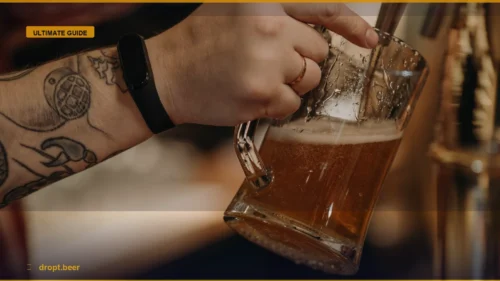
The condensation on the glass is the first thing to catch the light. It’s a cold, beaded surface, slick against your fingertips as you lift it from the coaster. Before the liquid even hits your tongue, the smell of fresh, floral hops—perhaps a hint of pine or citrus zest—floats upward, promising something specific. This isn’t just a drink; it’s a deliberate interruption in your day. It’s a moment designed to be savored.
\n\n
Intentional drinking is the only way to treat yourself with respect in a world obsessed with mindless consumption. You aren’t just hydrating; you’re participating in a lineage of craftsmanship. If you aren’t paying attention to the nuance of your glass, you’re essentially burning money. We need to move away from the habit of automatic ordering and start treating every drink as a curated event.
Related: Drink Better, Not More: The New
\n\n
The Architecture of the Pour
\n
The vessel matters more than you think. You wouldn’t serve a delicate, high-acid vintage champagne in a thick-rimmed coffee mug, so why treat your beer or spirit with any less care? Glassware isn’t about pretension. It’s about physics. According to the BJCP guidelines, the shape of the glass is designed to manage carbonation and direct aromatic compounds toward your nose. A tulip glass traps those volatile esters, while a standard shaker pint does little more than house the liquid.
\n
When you’re at a bar like The Local Taphouse, look at how the staff serves their specialty pours. They don’t just dump a bottle into any clean glass. They choose the vessel that allows the beer to breathe. If you’re drinking at home, invest in a set of glasses that actually suit the styles you enjoy. You’ll find that the same beer tastes fundamentally different when the glass allows it to release its full aromatic potential.
\n\n
Understanding the Source
\n
Transparency is the new gold standard. You should know who made your drink and, if possible, where the ingredients came from. The Brewers Association highlights that independent craft brewers are the backbone of flavor innovation, often sourcing local malts and hops that provide a sense of place. When you buy from a small, independent producer, you’re voting for quality over mass-market consistency.
\n
Don’t be afraid to ask questions. If you’re at a bottle shop, ask the clerk about the brewery’s recent releases. If you’re at a cocktail bar, ask the bartender about the provenance of their base spirit. If they can’t tell you, you’re likely drinking a product designed for volume, not depth. Intentionality starts with curiosity.
\n\n
The Sensory Reset
\n
Your palate is a fragile instrument. If you’re drinking high-ABV spirits or heavily hopped IPAs back-to-back, you’re going to suffer from sensory fatigue within thirty minutes. You’ll stop tasting the subtleties and start tasting only the alcohol or the bitterness. Take a break. Drink a glass of water between every alcoholic beverage. It’s a simple, unglamorous habit that separates the amateur from the enthusiast.
\n\n
This is where mindful drinking becomes an act of self-care. By pacing yourself, you ensure that the final sip of your evening is just as enjoyable as the first. You avoid the blur of excess and keep your focus on the quality of the liquid. It’s about being present enough to actually remember why you chose that particular drink in the first place.
\n\n
Curating Your Own Ritual
\n
You define the ritual. Whether it’s the quiet preparation of a G&T at home on a Friday evening or the deliberate selection of a rare bottle to share with friends, your intention sets the tone. At Dropt Beer, we advocate for the “less but better” approach. It’s better to have one exceptional, well-crafted drink that leaves you satisfied than three mediocre ones that leave you uninspired.
\n\n
Your Next Move
\n
Audit your home bar and glassware today to ensure you have the right tools for the styles you actually enjoy drinking.
Related: Drink Less, But Better: The Art
\n
- \n
- Immediate — do today: Clear your fridge of any “filler” drinks that you don’t truly enjoy; make space for a single, high-quality local craft beer or spirit.
- This week: Visit a local independent bottle shop and ask the staff for a recommendation based on a specific flavor profile you want to explore, rather than a brand you already know.
- Ongoing habit: Always keep a glass of cold water next to your drink and commit to finishing the water before you order your next round.
\n
\n
\n
\n
\n\n
\n\n
Frequently Asked Questions
\n
Does glassware really change the taste of beer?
\n
Yes, significantly. Proper glassware is engineered to control the rate of carbonation and direct aromatic compounds toward your nose. Since a large part of what we perceive as ‘flavor’ is actually aroma, using the correct glass allows you to detect subtle notes of hop, malt, and yeast that are completely lost in a standard shaker pint or a bottle.
\n
\n
\n
How do I avoid sensory fatigue while tasting?
\n
The most effective way to avoid sensory fatigue is to hydrate with water between every alcoholic drink. This cleanses the palate, keeps you hydrated, and allows you to maintain a high level of sensitivity to flavor profiles throughout your session. Pacing yourself is the single best way to ensure every drink remains as enjoyable as the first.
\n
\n
\n
\n