Quick Answer
Stop relying on generic search engines that prioritize paid ads over quality. Use Untappd to find specific styles on tap nearby or visit a brewery’s direct website for the freshest cellar releases.
- Use Untappd’s ‘Nearby’ feature to filter by specific beer styles rather than just proximity.
- Bookmark the ‘Fresh Arrivals’ page of your local independent bottle shop.
- Follow your three favorite local breweries on Instagram for real-time release alerts.
Editor’s Note — Fiona MacAllister, Editorial Director:
I’m of the firm view that if your primary method for finding a drink is typing ‘beer near me’ into a search bar, you are destined for mediocrity. You are feeding the algorithm, not your palate. What most people miss is that the best beer in your city is rarely the one that pays for the top spot on a search engine. Alex Murphy’s research on local distribution channels is exceptional because he treats beer discovery like a tactical operation. Stop scrolling through sponsored results and follow his specific, actionable scouting process instead.
The hum of the glycol chiller behind the bar is the most honest sound in the world. It’s the low-frequency heartbeat of a brewery, a steady promise that the liquid in your glass is being treated with the respect it deserves. When you walk into a place that cares about its beer, you don’t need a search engine to tell you where to go. You can smell it. There’s the faint, sweet scent of malted barley, the sharp, grassy tang of fresh hops, and the unmistakable crispness of a clean tap line. That is where you want to be.
Finding great beer shouldn’t feel like a chore, yet most of us approach it with the same enthusiasm we reserve for checking the weather. We treat it as a utility. It isn’t. Beer is an agricultural product that degrades the moment it leaves the bright tank. If you’re settling for whatever is sitting on the bottom shelf of a convenience store, you’re missing the point of craft brewing entirely. You need a better strategy to ensure that the pint you find is as vibrant as the day it was brewed.
The Myth of Convenience
We’ve been conditioned to value speed over substance. When you pull up your phone to find a drink, the platform is designed to give you the closest option, not the best one. According to the Brewers Association, freshness is the single most important factor in the quality of hop-forward styles like Pale Ales and IPAs. The longer a beer sits in a warm warehouse or a sun-drenched bottle shop window, the faster it loses its character. You aren’t just looking for beer; you’re looking for beer that hasn’t been abused by the supply chain.
I’ve seen too many people walk into a generic liquor store, pick up a hazy IPA that’s been sitting on a shelf for six months, and wonder why it tastes like damp cardboard. The BJCP guidelines define these styles by their bright, aromatic hop profiles. When those fade, there is no coming back. If you want quality, you have to prioritize the venue that moves volume. A busy taproom or a bottle shop with a dedicated cold room is your best friend. They care about their inventory because their reputation depends on it.
Mapping Your Local Scene
Start by ignoring the star ratings on mass-market platforms. People rate based on parking, noise levels, and whether the bartender was nice to them. None of that tells you if the beer is oxidized or if the lines are dirty. Instead, look for evidence of curation. Does the venue list the keg tapping date on their board? Do they have a ‘Cellar Reserve’ section? If they treat their beer like a living thing, you’re in the right place.
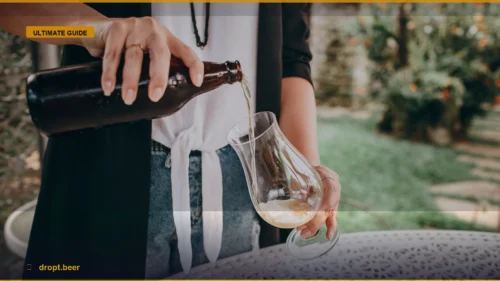
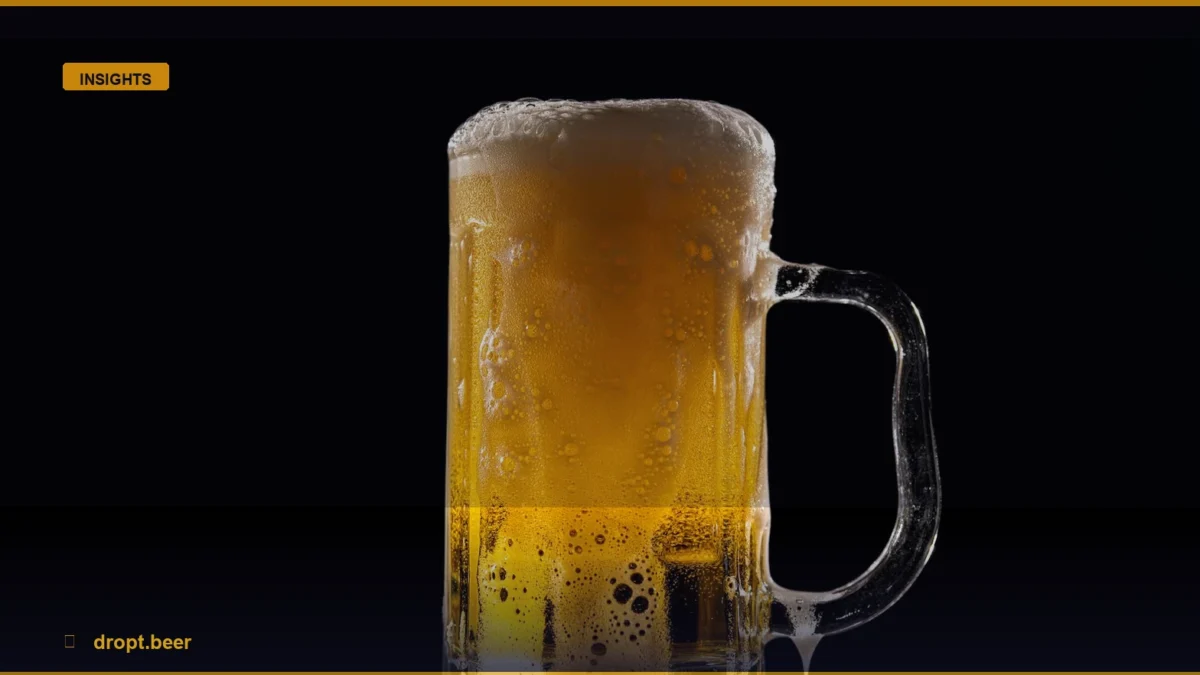
The Oxford Companion to Beer notes that proper serving temperature and glassware are essential to the sensory experience. When you walk into a bar, look at the glassware. If they’re serving a delicate Pilsner in a thick, frosted dimpled mug, they’re prioritizing temperature over the aromatics. If they have a dedicated stemware for their Saisons and a proper shaker or tulip for their stouts, they’re paying attention. That level of detail usually trickles down to the quality of the beer itself.
The Untappd Trap
There is a temptation to use Untappd as a bible, but you have to use it with a grain of salt. It’s a fantastic tool for tracking what you’ve had, but the ratings are often swayed by hype and limited-release scarcity rather than objective quality. Use the app to look for the ‘Nearby’ feature, but filter by style. If you’re looking for a crisp Lager, don’t look at the highest-rated beer in the area. Look for the brewery that has a consistent track record of brewing clean, fault-free lagers. Consistency beats hype every single time.
I recently visited a small brewery in Melbourne that wasn’t on any ‘top 10’ lists. They didn’t have the flashy labels or the social media following. But their Helles was flawless. It was clear, bright, and had that perfect, bready malt backbone that only comes from a brewer who understands patience. That’s the kind of discovery you miss when you only look for the most popular options. You have to be willing to walk past the crowded, neon-lit spots to find the ones doing the real work.
Building Your Own Distribution Network
If you really want to drink well, stop relying on retail entirely. Become a regular at one or two places. When the staff knows your face, they’ll tell you when the fresh keg of something special is being tapped. They’ll steer you away from the stuff that’s been sitting too long. This is the secret to the best beer experiences—it’s social, not algorithmic. If you’re in the habit of ordering beer online through platforms like Dropt.beer, you’re already cutting out the middleman and ensuring the product comes straight from the source. That is the gold standard.
Don’t be afraid to ask questions. A good bartender loves to talk about what’s fresh. Ask them, ‘What arrived this week?’ or ‘What are you drinking right now?’ If they hesitate, go somewhere else. When you find a place that treats its product with respect, stay there. Support them. The more we shift our habits toward these kinds of venues, the more we push the entire industry to raise its standards. It’s the only way to ensure that the beer culture we enjoy keeps growing in the right direction.
Your Next Move
Commit to visiting one independent local brewery or bottle shop this week and ask the staff what arrived in the last 48 hours.
- Immediate — do today: Download a dedicated beer-tracking app like Untappd or sign up for a local brewery’s newsletter to get direct release notifications.
- This week: Visit a local bottle shop and find one beer with a ‘canned on’ date less than 30 days old.
- Ongoing habit: Always check the ‘canned on’ or ‘bottled on’ date before purchasing any hoppy beer from a retail shelf.
Frequently Asked Questions
Does the date on the can actually matter?
Yes, it is the most important indicator of quality. For hoppy styles like IPAs, you want to drink them within 60 days of the canning date. After that, the vibrant hop oils begin to break down, leading to a loss of aroma and a duller flavor profile. If a beer has no date, leave it on the shelf.
Why should I avoid buying beer from a warm shelf?
Heat is the enemy of beer. Exposure to warm temperatures accelerates oxidation, which introduces cardboard-like, papery, or sherry-like flavors. Unless the beer is a heavy, barrel-aged stout or a sour designed for long-term cellaring, it should be kept refrigerated at all times to preserve its intended sensory profile.
Is Untappd accurate for finding good beer?
Untappd is excellent for finding out what is currently on tap at a local venue, but take the user ratings with a grain of salt. Ratings are often influenced by personal bias, hype, and the rarity of the beer rather than the objective quality of the liquid. Use it as a menu-discovery tool, not a definitive quality guide.
What makes a taproom worth my time?
A great taproom is defined by the cleanliness of their lines and the knowledge of their staff. Look for venues that display the date a keg was tapped and use appropriate glassware for different styles. If the staff can explain the nuances of the current lineup rather than just pointing at the tap list, you’re in a place that cares about the craft.