Quick Answer
La Jolla’s nightlife is dominated by luxury, but you can find elite craft beer by targeting high-end hotel bars and coastal gastro-lounges rather than traditional nightclubs. Focus on establishments that prioritize glass temperature and local San Diego tap rotations over mass-market labels.
- Seek out hotel lobby bars for curated seasonal releases.
- Prioritize venues that use specific glassware instead of standard shaker pints.
- Ask for a bottle list, as the best gems are often hidden away from the main tap handles.
Editor’s Note — Tom Bradley, Drinks Editor:
I firmly believe that if a bar treats its beer like an afterthought—dumping it into a room-temperature shaker glass—they don’t deserve your money, no matter how good the view is. In my years covering the industry, I’ve seen too many otherwise sophisticated venues kill a perfectly balanced IPA with poor line maintenance. I brought Daniel Frost in for this because his ability to identify the subtle markers of quality in high-pressure, upscale environments is unmatched. Don’t waste your evening on a skunked macro-lager; find a venue that respects the cold chain and start your night there.
The Art of the Coastal Pint
The salt air hits you first, followed by the faint, expensive scent of expensive perfume and crashing Pacific waves. You’re standing in a La Jolla lounge, the kind where the lighting is calibrated to flatter and the music hums at a frequency designed for conversation rather than shouting. You want a beer, but the menu is a sea of overpriced martinis and uninspired domestic lagers. It’s a common trap in San Diego’s most affluent neighborhood, where the craft beer culture often feels secondary to the bottle-service mentality.
Finding a truly exceptional pour in La Jolla isn’t about hunting for the loudest venue; it’s about identifying the spots that treat their kegs with as much reverence as their top-shelf bourbon. If you’re settling for a lukewarm pint in a generic glass, you’re doing it wrong. The best beer in this town is hiding in plain sight—you just need to know how to spot the signs of a serious beverage program.
Looking for the Invisible Markers
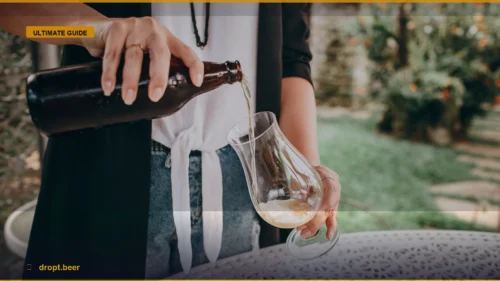
Most drinkers look at the tap handle list, but the real test is in the details. You want to see if the bar cares about the science of the pour. The BJCP guidelines emphasize the importance of appropriate glassware, and in a high-end setting, that matters even more. If the bartender is pouring a delicate pilsner into a thick, frosted shaker glass, walk away. They’re effectively hiding the beer’s aroma and killing the head retention before you’ve even taken a sip.
Check the temperature. If the taps are part of a sprawling wall of spirits, ask where the kegs are stored. A short, chilled draw line is the difference between a crisp, clean lager and a glass of warm, oxidized disappointment. Look for local partnerships, too. According to the Brewers Association’s 2024 industry data, the most successful craft-focused venues are those that maintain a symbiotic relationship with their immediate geography. A bar in La Jolla should be pouring San Diego legends, not just national macro-brands you can find at any gas station.
Where the Quality Lives
Forget the dive bars. They have their place, but they aren’t the solution when you’re looking for a premium experience in the Jewel of San Diego. Instead, pivot toward the hotel lobby bars. These venues are designed for the international traveler and the discerning local, meaning they often have the budget to secure limited, seasonal, or barrel-aged releases that never make it to the casual neighborhood pub. The service here is usually impeccable, and they understand that a proper pour is a key part of the luxury experience.
Coastal gastro-lounges are your next best bet. These spots bridge the gap between fine dining and casual drinking. They understand that a complex, high-ABV stout belongs with a rich, fatty dish, while a bright, floral IPA acts as the perfect palate cleanser. When you sit down, don’t just order the first thing you recognize. Ask the staff what’s rotating. A good bartender in a high-end La Jolla spot will know exactly what’s on the current tap list and why it’s there.
Strategy for the Long Night
You’re out for the evening, which means you need to pace yourself. The mistake most people make is starting with a heavy, double-digit ABV imperial stout when they walk through the door. It’s a palate-wrecker and a stamina-killer. Start light. Look for a session IPA or a crisp, dry-hopped pale ale that highlights the vibrant hop character San Diego is famous for without weighing you down. You want to stay sharp for the rest of the night, not fall asleep in a velvet booth.
Keep your eyes peeled for bottle lists. Some of the most interesting beers in La Jolla don’t even make it to the taps. These are often the rare, small-batch releases from local breweries that the bar manager has tucked away for those who know enough to ask. Dropt.beer readers know that the best beer isn’t always the one being advertised on a neon sign. It’s the one that’s been curated, stored, and served with intention.
The Final Pour
La Jolla offers a unique challenge: it’s a place where the barrier to entry for good beer is higher than in the rest of San Diego. But once you start looking for the signs—the proper glassware, the short draw lines, the local focus—the scene opens up. Next time you’re near the Cove, skip the first crowded rooftop you see. Find that quiet, high-end lobby bar, ask about the current local rotation, and enjoy a beer that actually matches the view. That’s how you do La Jolla right.
Frequently Asked Questions
Are hotel bars in La Jolla actually good for craft beer?
Yes, absolutely. High-end hotel bars in La Jolla often cater to affluent travelers who expect premium options, leading to better-curated beer lists than many standard bars. They frequently stock seasonal releases and local San Diego craft beers that are harder to find elsewhere.
Should I avoid shaker glasses when drinking in upscale bars?
Yes. Shaker glasses are designed for mixing cocktails, not for showcasing the aromatics of craft beer. Look for establishments that use specific glassware—like tulip glasses for IPAs or snifters for stouts—as this is a clear sign that the venue understands and respects the craft.
How do I know if a bar takes their beer menu seriously?
Look for short, rotating lists that feature hyper-local breweries. A bar that changes its taps frequently shows they are prioritizing freshness. If the staff can tell you about the brewery or the specific style of the beer on tap, that’s your best indicator of a high-quality, craft-focused environment.