Quick Answer
Straffe Hendrik is the benchmark for high-gravity Belgian ales, defined by its secondary bottle fermentation and uncompromising commitment to the De Halve Maan house yeast. To drink it properly, serve the Tripel at 8-10°C and the Quadrupel at 12-14°C, always pouring slowly to keep the sediment in the bottle.
- Store your bottles upright in a cool, dark cellar to preserve the yeast health.
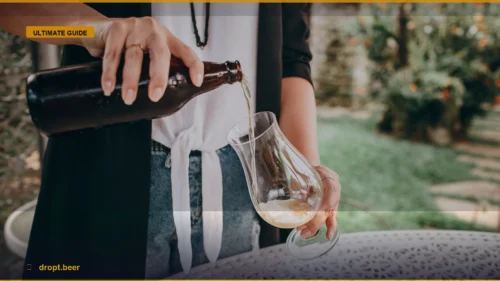
- Use a wide-mouthed chalice or tulip glass to allow the complex esters room to breathe.
- Never serve these beers ice-cold; chill them only slightly to let the malt character express itself.
Editor’s Note — Rachel Summers, Digital Editor:
I firmly believe that if you aren’t cellar-aging your Quadrupel for at least two years, you’re missing the entire point of the beer. Too many people treat these bottles like standard craft cans, cracking them open the moment they get home. It’s a tragedy. I’ve been saying for years that the patience required for Belgian ales is a lost art in our fast-paced industry. Ryan O’Brien is the only person I trust to talk about this because he understands that tradition isn’t just about history—it’s about the chemistry of time. Go find a bottle of the Quad today and put it in the back of your fridge.
The first thing that hits you when you step into the courtyard of Brouwerij De Halve Maan isn’t the beer; it’s the smell of history. It’s a faint, sweet hum of malt and old brick, a scent that seems to have soaked into the very mortar of Bruges over centuries. When you finally get a glass of Straffe Hendrik Tripel in your hand, you aren’t just drinking a beer. You’re participating in a lineage that defies the fleeting trends of the modern taproom.
Most drinkers approach Belgian ales as a test of endurance—a high-ABV challenge to be conquered. This is a mistake. Straffe Hendrik is built for contemplation. Whether it’s the golden Tripel or the dark, brooding Quadrupel, these beers demand a slower pace. They are architectural, built with a structural integrity that most modern “craft” beers can only dream of. If you want to understand what makes Belgian brewing the global gold standard, you stop looking for the latest hop experiment and start here.
The Architecture of the Tripel
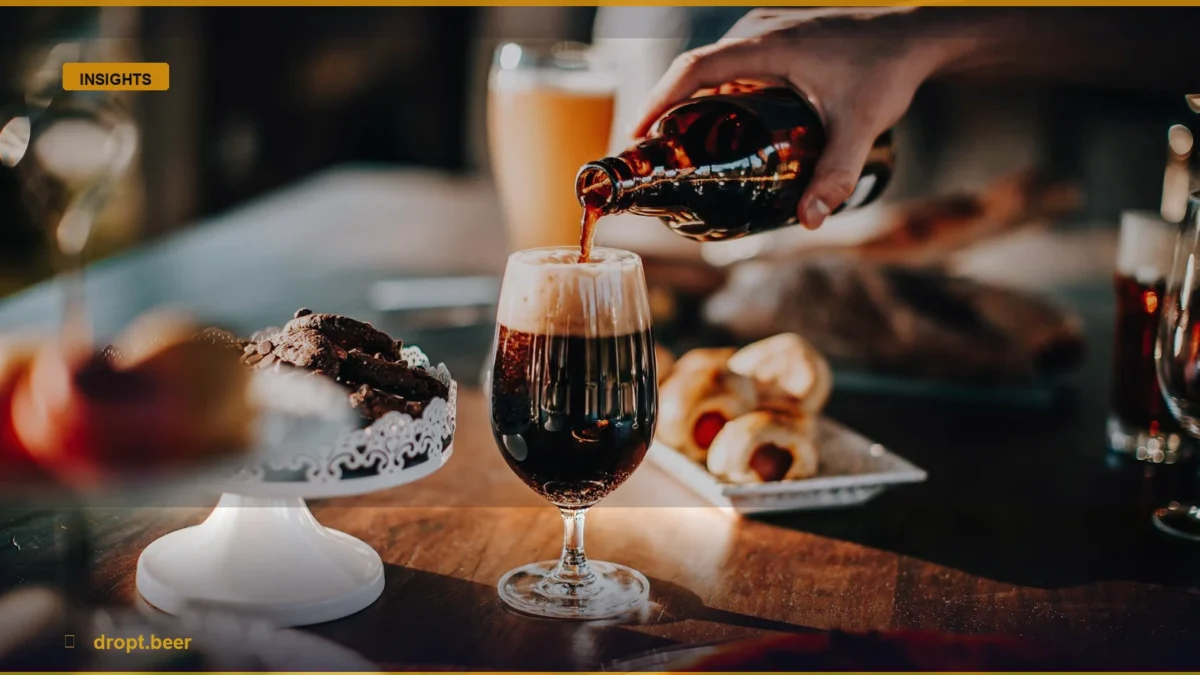
The BJCP guidelines describe a Tripel as a complex, spicy, dry, and strong Trappist-style ale. Straffe Hendrik Tripel, at 9% ABV, is the textbook definition. It doesn’t hide behind excessive sugar or cloying sweetness. Instead, it relies on the interaction between the house yeast strain and the noble hop profile. When you pour it, watch for that rocky, persistent white head. It’s not just for show; that foam acts as a lid, trapping the volatile aromatics of pear and banana esters inside the glass.
You’ll notice that the carbonation is aggressive. This is by design. That secondary fermentation in the bottle is what separates the elite from the average. It scrubs the palate clean after every sip, preparing you for the next wave of spice. If you’re drinking this properly, you’re using a wide-brimmed glass. Anything narrower and you’re suffocating the beer. Let the liquid rise to about 10 degrees Celsius before you take that first pull; anything colder and you’re effectively silencing the brewer’s intent.
The Quadrupel: A Study in Patience
If the Tripel is the light, the Quadrupel is the shadow. Clocking in at 11% ABV, this is a beer that actively evolves in the bottle. According to the Oxford Companion to Beer, high-gravity ales with bottle conditioning undergo a slow, oxidative maturation that transforms sharp sugars into deep, vinous notes of dried fig, molasses, and dark plum. I’ve opened bottles of Straffe Hendrik Quadrupel that were five years old, and they were significantly better than the day they left the brewery.
Don’t be afraid of the sediment at the bottom of the bottle. It’s the yeast, the lifeblood of the fermentation. Some prefer to pour it in for a cloudier, heartier mouthfeel, while others prefer the clarity of the pour without it. Try both. See how the yeast adds a bready, earthy quality that balances the intense sweetness of the malt bill. It’s a personal preference, but one that drastically changes the character of the glass.
Brewing with Purpose
Why does this matter in an era of fruit-pureed sours and hazies? Because consistency is the hardest thing to achieve in brewing. The Brewers Association 2024 data highlights a trend toward variety, but there is a quiet power in a brewery that has perfected a single, difficult style for decades. De Halve Maan hasn’t changed the recipe to chase a demographic; they’ve forced the demographic to rise to the level of the beer. That’s a lesson in brand identity that any serious drinker—or brewer—should respect.
When you seek out these beers, treat them with the gravity they deserve. Don’t drink them from the bottle. Don’t rush them. Pair the Tripel with a sharp, aged Gouda or a piece of salty prosciutto. The fat in the food will cut through the high alcohol and the yeast will pick up the salt. It’s a harmony that’s hard to replicate with anything else. At dropt.beer, we believe that the best drinking experiences happen when you treat the glass as a conversation, not a commodity. Straffe Hendrik is an excellent conversationalist.
Your Next Move
Your goal is to experience the evolution of these beers, not just consume them.
- Immediate — do today: Buy two bottles of Straffe Hendrik Quadrupel; drink one now to establish your baseline, and hide the second in a cool, dark place for exactly 12 months.
- This week: Visit a local Belgian-focused bar or bottle shop and ask for a flight of Tripels, using the Straffe Hendrik as your control variable to compare against other abbey-style ales.
- Ongoing habit: Start a simple “cellar log”—a notebook where you record the date, the beer, and the tasting notes, tracking how your palate shifts as you revisit these classic styles over the seasons.
Frequently Asked Questions
Should I drink the yeast sediment at the bottom of the bottle?
Yes, but it’s a choice. The sediment consists of live yeast that performed the secondary fermentation. It adds a bready, earthy flavor and a cloudier appearance. If you prefer a cleaner, crisper taste, leave the last half-inch of liquid in the bottle. If you want the full, complex body the brewer intended, pour it in.
How long can I store Straffe Hendrik?
The Tripel is best consumed within two years of bottling to maintain its bright hop character and yeast profile. The Quadrupel, however, is a fantastic candidate for aging. You can cellar it for three to five years, during which time the flavors will mellow and develop deeper, sherry-like qualities. Always store bottles upright in a cool, dark place.
Is Straffe Hendrik a Trappist beer?
No, it is not. While it shares the “Abbey” style and is brewed in the historic city of Bruges, the brewery, De Halve Maan, is a family-owned commercial brewery. It is not produced within the walls of a monastery, nor is it under the supervision of monks, which is the official requirement for the “Authentic Trappist Product” label.
What is the best glass for this beer?
Use a wide-mouthed chalice or a tulip-shaped glass. These shapes are specifically designed to trap the aromatic compounds at the top of the glass, allowing you to smell the complex esters and phenols before you take a sip. Avoid tall, narrow pilsner glasses, as they do not provide enough surface area for the beer to “breathe” properly.