Quick Answer
Gose is the superior brunch beer because its natural acidity and salinity mimic the refreshing properties of a mimosa while cutting through rich, fatty breakfast foods. Avoid heavy stouts or hop-forward IPAs that fatigue your palate before the day really begins.
- Prioritize beers under 5% ABV to keep your morning sessionable.
- Look for the hallmark coriander and salt profile to elevate savory dishes like eggs benedict.
- Skip the double IPAs; their hop intensity clashes with the delicate sweetness of pastries and fruit.
Editor’s Note — Priya Nair, Features Editor:
I firmly believe that the industry’s obsession with pairing pancakes with heavy-handed stouts is a disservice to the craft. A heavy beer at 10:00 AM doesn’t make you a connoisseur; it just makes you tired. In my years covering global drinking trends, I’ve found that the most sophisticated brunch pairings rely on tension—not weight. I trust Chloe Davies entirely on this subject because she approaches sour fermentation with the precision of a chemist and the palate of a chef. If you’re serious about elevating your weekend, grab a Gose and leave the high-ABV heavyweights in the cellar.
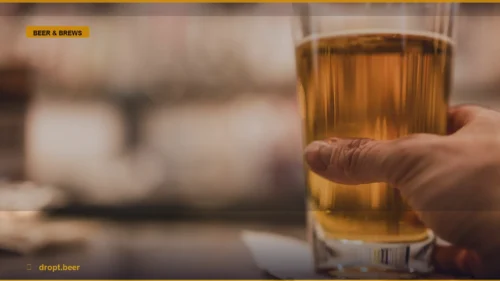
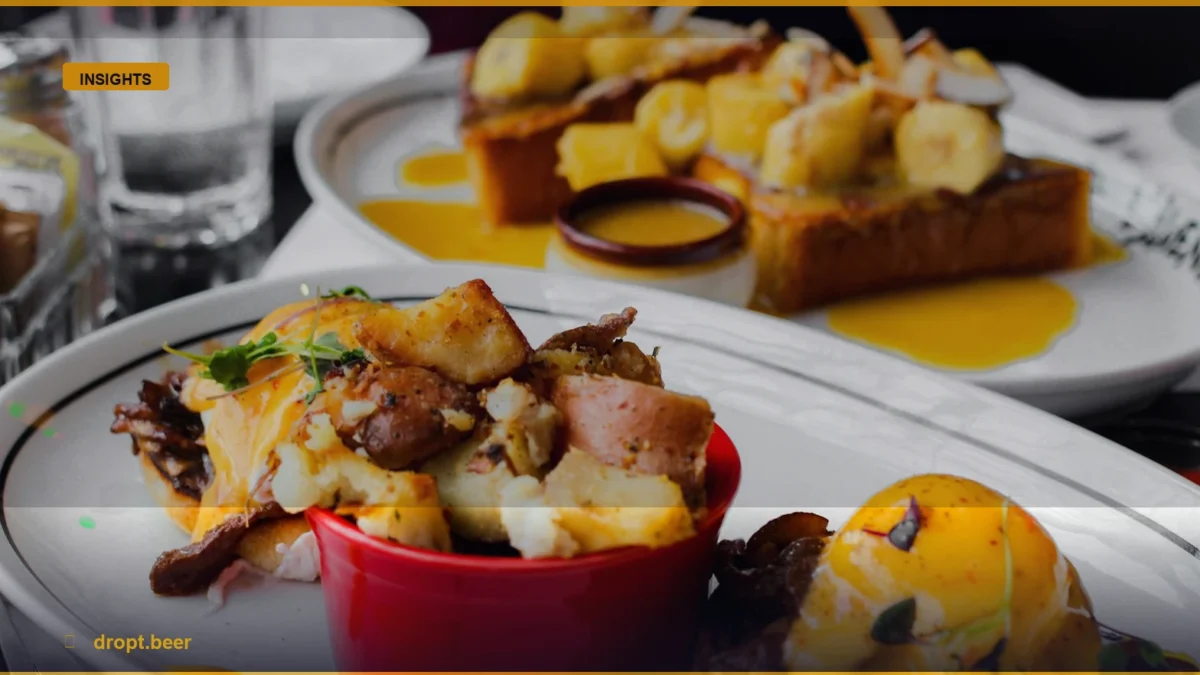
The sunlight is hitting the table just right, turning the condensation on your glass into a prism. Around you, the clatter of silverware against ceramic plates competes with the hiss of a milk steamer. You’re staring down a plate of eggs benedict—dripping in rich, buttery hollandaise—and your instinct is to reach for a mimosa. But wait. There’s a better way to cut through that fat. It’s sitting in a tall, slender glass, slightly hazy, and whispering of salt and summer fields. It’s a Gose.
The truth is, brunch beer culture has been suffering from an identity crisis. We’ve spent years trying to shoehorn midnight-drinking styles into daylight hours, often with disastrous results. I’m here to tell you that the Gose isn’t just a viable alternative to your standard morning cocktail; it’s the absolute gold standard. If you want to drink with intention, you need to stop chasing the heavy, the hazy, and the aggressive, and start embracing the bright, the tart, and the saline.
The Anatomy of a Morning Pour
When you’re sitting down to a meal that occupies the space between breakfast and lunch, you’re looking for a specific set of sensory triggers. You want something that wakes up your palate, not something that puts it to sleep. The best brunch beer acts like a squeeze of lemon over a dish—it lifts everything else up.
According to the BJCP guidelines, a classic Gose is characterized by its restrained lactic sourness, a light coriander aroma, and a noticeable saltiness. It’s this specific combination that makes it a culinary powerhouse. The acidity mimics the bright notes of sparkling wine, while the salt acts as a flavor enhancer for the savory proteins on your plate. It doesn’t fight your food; it sits alongside it, playing a supporting role that makes every bite of bacon or avocado toast taste more vivid.
Think about the last time you had a heavy pastry paired with a double IPA. By the second bite, your tongue was likely coated in resinous hop oils and residual sugar. You felt heavy, sluggish, and frankly, a bit overwhelmed. That’s because you’ve ignored the basic principles of palate hygiene. A Gose, by contrast, is designed to be sessionable. It keeps your palate clean, ensuring that the last bite of your meal is just as exciting as the first.
Why You Should Ditch the IPA
I know, I know. You love your hops. But there’s a time and a place for a triple-dry-hopped hazy, and it’s rarely while you’re trying to navigate a stack of blueberry pancakes. The intense fruit-ester profiles and high ABV of modern IPAs can create a disjointed experience when paired with traditional brunch fare.
The Brewers Association defines the craft beer landscape by diversity, yet we often see drinkers gravitating toward the same high-alcohol options regardless of the occasion. When you choose a beer that pushes 8% ABV at 11:00 AM, you’re essentially opting out of the rest of your day. It’s not just about the alcohol content; it’s about the intensity of the flavor. Your palate is most sensitive in the morning. Why would you want to blast it with bittering agents and heavy malt extract?
If you find yourself at a bar with an extensive list, look for a local Gose or a bright, high-carbonation Pilsner. If you’re in a city with a robust sour program, try something like the Westbrook Gose or a local iteration that uses seasonal fruit. These beers are built for the morning. They’re light, they’re effervescent, and they’re made to be enjoyed while the day is still young.
The Cultural Shift Toward Thoughtful Drinking
We’re moving away from the era of “bigger is better.” In the world of craft beer, we’re seeing a return to nuance. People are finally realizing that drinking thoughtfully means considering the environment and the time of day. It’s about the person behind the bar who curated the list and the brewer who carefully balanced the salinity in that Gose to ensure it didn’t cross the line into brine.
When you order a Gose, you’re not just ordering a drink. You’re participating in a tradition that values balance over excess. You’re telling the world that you care about your palate and you care about the experience. At dropt.beer, we’ve always maintained that the best drinking experiences are the ones where the beer enhances the moment, rather than hijacking it. So, next weekend, skip the mimosa. Find a Gose, pair it with something savory, and see how much better your morning can be.
Frequently Asked Questions
Why is salt used in Gose?
Salt is added to Gose to enhance the overall flavor profile and add a slight body to the beer. Much like a pinch of salt in cooking, it brings out the subtle citrus notes of the coriander and balances the tartness of the lactic acid. It prevents the beer from feeling thin and makes it significantly more refreshing and food-friendly.
Can I drink an IPA at brunch?
While you can drink whatever you want, IPAs are generally poor brunch companions. Their high bitterness and hop saturation can fatigue your palate and clash with the delicate flavors of breakfast foods like pastries, eggs, and fruit. The higher ABV of most IPAs also makes them less suitable for daytime consumption, often leading to a heavy, sluggish feeling before the afternoon even arrives.
What is the difference between a Gose and a Berliner Weisse?
Both are German sour wheat beers, but they differ in their base ingredients. A Gose is traditionally brewed with coriander and salt, giving it a savory, spicy, and tangy profile. A Berliner Weisse typically lacks these additions, focusing purely on a clean, sharp lactic acidity. If you want a more straightforward, fruit-forward experience, go for a Berliner Weisse; if you want something that pairs exceptionally well with savory food, choose a Gose.