Quick Answer
\n
Stop relying on generic search engines and brand locators that rely on outdated distribution data. Instead, prioritize direct-to-consumer social feeds and independent bottle shop newsletters to secure high-quality, limited-run inventory.
\n
- Follow your favorite breweries on Instagram for real-time release alerts.
- Build a relationship with one local bottle shop manager who knows your palate.
- Use regional craft beer apps like Untappd to check verified local check-ins rather than global ratings.
\n
\n\n
Editor’s Note — Marcus Hale, Editor-in-Chief:
\n
I firmly believe that most drinkers are wasting their money because they treat buying beer like buying groceries. You shouldn’t be grabbing whatever is at eye level in a supermarket aisle; you should be hunting for the freshest, most deliberate liquid available. In my years covering this industry, I’ve seen the ‘discovery gap’ widen, leaving great brewers invisible while subpar shelf-fillers dominate. Zara King understands the mechanics of brewery economics better than anyone, and she knows exactly why your current search habits are failing you. Stop scrolling, start connecting, and go find a local producer who actually remembers your name.
\n
\n\n
The smell of a fresh, properly handled IPA hits you before you even lift the glass. It’s that sharp, resinous punch of Citra and Mosaic hops that feels like walking through a damp, pine-filled forest in the middle of a heatwave. When you’re standing in the middle of a bottle shop, however, that sensory promise is often replaced by the fluorescent hum of a fridge that’s been running since 2012. You’re looking at a shelf of dusty cans, wondering which one was canned last week and which one has been sitting there through three different seasons.
Related: Stop Chasing Hype: How to Find
\n\n
Finding exceptional beer isn’t about better search algorithms; it’s about shifting your entire strategy toward proximity and direct-to-source intelligence. We are currently living through a period of extreme ‘premiumization.’ According to the Brewers Association’s 2024 insights, while total volume is shifting, the appetite for high-quality, artisanal production is at an all-time high. Yet, the tools we use to find these drinks remain stuck in the past. If you’re still relying on a brewery’s generic ‘where to buy’ page, you’re already losing the game.
\n\n
Why Your Search Habits Are Costing You
\n\n
Most drinkers approach the beverage market like a treasure hunt with a map drawn by someone who’s never visited the site. We search for a brand, we see a list of retailers, and we assume the product is there. It rarely is. The disconnect between a brand’s distribution list and the reality of a retailer’s floor space is massive. Most large-scale distribution data is updated monthly, or even quarterly. In the world of craft beer, where a hazy IPA begins to lose its vibrant hop character after thirty days, a three-month-old distribution list is effectively a list of expired opportunities.
\n\n
The BJCP (Beer Judge Certification Program) guidelines emphasize the importance of freshness for hop-forward styles, yet we ignore this when we shop. We prioritize convenience over quality. When you search for a specific beer online, you are often being served the retailer with the best SEO, not the retailer with the best inventory rotation. You aren’t buying the best beer; you’re buying the beer that paid to be at the top of the results page.
\n\n
The Power of the Local Gatekeeper
\n\n
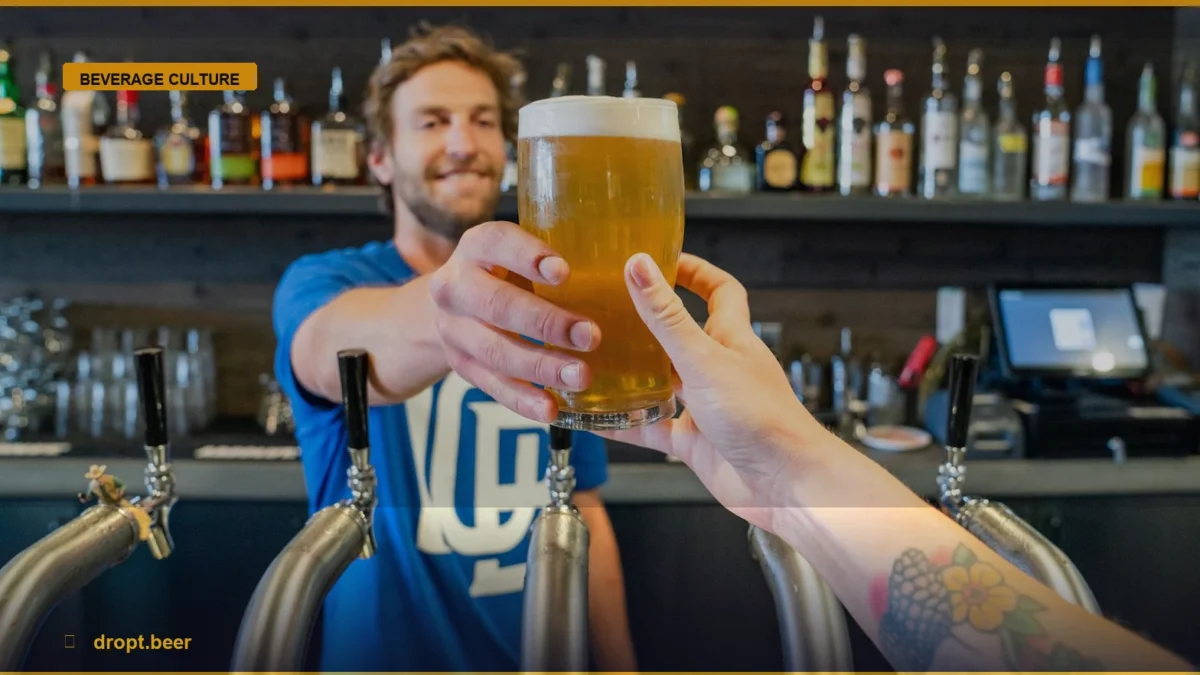
If you want to drink better, you need to stop talking to search engines and start talking to people. Every decent city has one or two bottle shops where the staff actually cares about the supply chain. These people are your most valuable asset. They know which distributor is reliable and which one leaves pallets of lager in the sun. When you walk into a place like ‘The Beer Garden’ in Sydney or a specialist retailer in Melbourne, don’t ask for a specific brand. Ask what just landed on the truck this morning.
\n\n
Building a relationship with a shop owner changes the dynamic of your consumption. It turns you from a random consumer into a regular. You’ll get the heads-up on limited releases before they hit the shelf. You’ll learn which breweries are currently struggling with quality control and which ones are hitting their stride. This is the human element of the beverage industry that no app can replicate. It’s about trust, not metrics.
\n\n
Leveraging Digital for Real-Time Intel
\n\n
While I’m telling you to talk to humans, I’m not suggesting you abandon digital tools entirely. You just need to change how you use them. Stop using social media to look at pretty pictures of cans and start using it as an early-warning system. Follow the production staff of your favorite breweries, not just the marketing accounts. If a brewer posts that they’re canning a fresh run of an imperial stout on a Tuesday, you know that beer will be at its peak by the weekend.
Related: The Modern Drinker’s Compass: How to
\n\n
Platforms like Untappd have their place, but don’t obsess over the global average rating. A beer with a 3.8 average might be a world-class example of a crisp pilsner that simply isn’t ‘hype’ enough for the platform’s user base. Look at the recent check-ins instead. Are people drinking it in your city right now? Is the feedback about the beer, or about the price? Use the data to filter out the noise, then go to the source to confirm the quality.
\n\n
The Economics of Quality
\n\n
Why does all this effort matter? Because you’re paying for it. Premium craft beer isn’t cheap. When you purchase a four-pack of high-end hazy IPA, you are paying for the quality of the ingredients and the cost of maintaining a cold chain. If you drink that beer three months late, you are literally pouring your money down the drain. You are drinking a degraded product that no longer represents the brewer’s intent.
\n\n
The most successful drinkers I know treat their beer fridge like a professional kitchen pantry. They buy small, they drink fast, and they rotate their stock. They understand that the market is flooded with ‘good enough’ beer, and they refuse to settle for it. By taking control of your discovery process, you stop being a passive participant in a marketing-driven market. You become an active curator of your own experience. Keep reading dropt.beer for the insights you need to stay ahead of the curve, and for heaven’s sake, check the canning date before you pay.
\n\n
\n\n
Frequently Asked Questions
\n
Does the age of a beer really matter?
\n
Yes, absolutely. Hop-forward beers like IPAs and Pale Ales lose their aromatic vibrancy within weeks. While some stouts or barrel-aged beers can age gracefully, most craft beer is designed to be consumed as fresh as possible. Drinking an old IPA is a disservice to the brewers who spent money on expensive, volatile hops.
\n
\n
\n
Are online reviews useful for finding good beer?
\n
Use them for context, not for a final verdict. Avoid looking at the aggregate score, which is often biased toward high-ABV or trendy beers. Instead, look at the recency of reviews. If people are drinking a beer in your specific region this week, that is a much better indicator of availability and quality than a global average.
\n
\n
\n
Why is it hard to find limited release beers?
\n
Small-batch breweries prioritize their own taprooms and loyal wholesale partners. They don’t have the volume for mass distribution. If you aren’t on their mailing list or following their social media, you’ll miss the window. The best stuff is usually spoken for before it ever reaches a shelf, so build a relationship with a local retailer who gets a small allocation.
\n
\n
\n
How do I know if a bottle shop is high-quality?
\n
Look at the fridge. If it’s dark, temperature-controlled, and organized by style or date, you’re in the right place. Ask the staff what’s new; a knowledgeable employee will talk about the brewer or the specific hop profile. If they only push the biggest brand names or can’t tell you when the stock arrived, find a new shop.
\n
\n
\n
\n