Quick Answer
Stop chasing bars with the highest tap counts and instead hunt for those prioritizing line cleanliness, cold-chain integrity, and rapid keg turnover. Torst in Greenpoint remains the gold standard for its sommelier-level approach to beer service.
- Ask the bartender when a specific keg was tapped before ordering.
- Avoid any bar that serves every style in a generic shaker pint glass.
- Look for smaller, curated tap lists, as these ensure higher turnover and fresher product.
Editor’s Note — Marcus Hale, Editor-in-Chief:
I firmly believe that the biggest threat to the NYC beer scene isn’t high prices; it’s the widespread apathy toward line maintenance. In my years covering this industry, I’ve seen countless “destination” bars serve oxidized, diacetyl-heavy IPAs that would make the brewer weep. What most people miss is that a cellar-temperature pour and a pristine glass are more important than a rare whale on tap. Daniel Frost is the only writer I trust to identify these technical failings because he understands the chemistry of a hop profile better than most brewers. Stop drinking stale beer and start demanding better service tonight.
The smell hits you the moment the door swings open: a faint, metallic tang of CO2, the sharp scent of hop oils, and the underlying sweetness of yeast. It’s the smell of a machine running at peak efficiency. You’re in a place that cares. It’s not the neon-lit dive bar with fifty taps of dusty, stagnant liquid; it’s a focused, deliberate space where every handle is a calculated choice. If you’re hunting for the best craft beer bars in NYC, you have to ignore the noise of the “most taps” lists and start looking at the infrastructure.
Finding a truly great pint in New York requires a shift in perspective. You aren’t looking for a museum of beer history; you are looking for a venue that respects the fragility of the product. Most drinkers assume that a massive, ever-changing tap list is a sign of excellence. The reality is usually the opposite. A bar with sixty handles is a graveyard for aging, oxidized beer. I contend that the best bars are those with smaller, tightly curated lists that turn over kegs in days, not weeks. Freshness is the only metric that matters.
The Myth of the Massive Tap List
We’ve been conditioned to equate variety with quality. It’s a marketing trap. When a bar tries to maintain a sprawling list, they inevitably end up with kegs that linger in the cooler, slowly losing their vibrant aromatics to the creeping inevitability of oxidation. According to the Brewers Association, beer is a perishable food product, and oxygen is its primary enemy. Once that seal is broken, the clock starts ticking. A bar that cycles through ten taps a week is inherently providing a better service than a bar cycling through fifty taps a month.
You’ll notice that places like Torst in Greenpoint don’t try to win a numbers game. They win by ensuring that every pour—whether it’s a delicate Czech pilsner or a heavy imperial stout—is handled with surgical precision. They understand that a beer is only as good as the last few feet of tubing it travels through. If you walk into a bar and see a wall of taps that look like they haven’t been scrubbed in months, walk right back out. You deserve better than a mouthful of line-scrubbing chemicals or, worse, the sour, buttery notes of a dirty draft system.
Respecting the Glassware and the Pour
The BJCP guidelines are clear on the relationship between beer and its vessel, yet so many NYC bars treat the shaker pint as a universal solution. It’s lazy. A delicate, highly carbonated saison requires a glass that preserves its head and directs its esters toward your nose. A barrel-aged stout needs a stemmed glass that allows it to breathe and warm up. When a bartender pours a nuanced, complex beer into a thick, cold shaker glass, they are actively stifling the experience. It’s like drinking a fine vintage wine from a plastic cup.
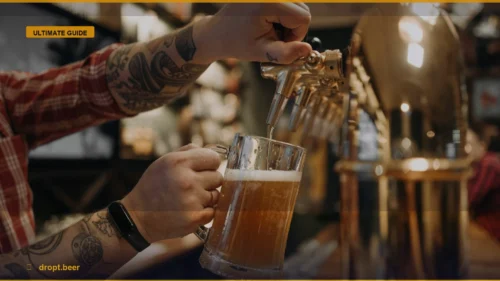
When you sit at the bar, watch how they pour. Are they rinsing the glass first? That rinse isn’t just for show; it cools the glass and removes dust, ensuring a clean, perfect head of foam. A proper pour creates a protective layer of foam that guards the beer against the air. If your beer arrives flat, without a head, it’s already been compromised. Don’t be afraid to ask questions. If the staff can’t tell you the brewery, the style, and the approximate date the keg was tapped, they aren’t beer professionals. They’re just pourers.
Looking Beyond the Local Bubble
New York has developed a formidable local brewing scene, and it’s tempting to stick strictly to what’s being made in Brooklyn or Queens. But a great beer bar acts as a curator, not just a local advocate. The best establishments in the city use their distribution connections to bring in the best of the world—the crisp lagers of Germany, the complex lambics of Belgium, and the refined IPAs from the West Coast. If a bar’s list is entirely local, it’s missing the forest for the trees.
You should seek out bars that balance local pride with global excellence. It’s about the quality of the liquid, not the zip code of the brewery. When you find a place that manages to keep a fresh, locally brewed IPA alongside a pristine, imported pilsner, you’ve found a bar that truly understands the craft. They aren’t just filling handles; they are building a menu that highlights the best of what the global industry has to offer. That is the mark of a top-tier operator.
The Temperature Factor
Temperature is the hidden variable that ruins more beer than anything else. Most casual drinkers don’t realize that serving beer at 32 degrees Fahrenheit—the standard for many massive commercial draft systems—actually mutes the flavor. You lose the malt complexity and the hop aromatics in the extreme cold. A well-run craft beer bar will have a temperature-controlled cellar or multiple cooling zones that allow them to serve different styles at the correct temperatures.
When you’re at a bar, notice if the beer feels ice-cold or if it has a bit of nuance to it. A pale ale should be cool and refreshing, but a complex, high-ABV beer should be served slightly warmer, closer to cellar temperature. If you can only taste the chill, you’re missing the point. If you want to know more about how these systems function, the resources provided by the Oxford Companion to Beer offer a technical deep dive into why these variables are so critical to the final product you hold in your hand. At dropt.beer, we believe that understanding the science behind the pour is the best way to elevate your drinking experience.
Your Next Move
Identify one bar in your neighborhood that prioritizes a small, curated tap list and visit them this week to test their staff’s knowledge.
- Immediate — do today: Check the Instagram feed of a local beer bar to see if they post fresh keg updates; if they don’t, they likely aren’t tracking their inventory with the rigor you need.
- This week: Visit a dedicated beer bar and ask the bartender for a “fresh recommendation”—judge them not by the popularity of the beer, but by how quickly they can identify the newest keg on the list.
- Ongoing habit: Stop ordering from the longest tap list in the room; always choose the shortest, most frequently updated menu to ensure you’re drinking fresh, clean beer.
Frequently Asked Questions
How do I know if a bar’s beer lines are clean?
Check the taste. If your beer has a sour, vinegary, or buttery note that doesn’t belong in the style, the lines are likely dirty. Visually, look for clean drip trays and well-maintained tap handles. If the bar staff is knowledgeable and cares about the quality of the pour, they will have a regular cleaning schedule and won’t hesitate to tell you about it.
Does more taps mean a better bar?
No, it usually means the opposite. A high volume of taps often results in slow turnover, meaning beer sits in the kegs for too long and becomes oxidized. A smaller, focused tap list ensures that kegs are replaced frequently, which is the only way to guarantee the beer is fresh and tasting exactly as the brewer intended.
Why does my beer taste different in a shaker pint?
The standard shaker pint is designed for utility and storage, not for sensory appreciation. Its wide mouth allows aromatics to escape too quickly, and the thick glass doesn’t support the proper head retention required to protect the beer. Using the correct glassware for the style—such as a tulip for IPAs or a stemmed glass for stouts—significantly enhances your ability to perceive the beer’s full flavor profile.
Should I only drink local beer in NYC?
While New York’s local scene is excellent, restricting yourself to local options limits your palate. The best beer bars in the city curate a mix of the best local craft and high-quality international imports. A great bar should be judged on the freshness and quality of its entire selection, regardless of whether the beer was brewed five miles or five thousand miles away.