Quick Answer
For the definitive Krakow craft beer experience, head straight to Strefa Piwa for volume and variety or Alchemia for the city’s best atmosphere. You should skip the tourist-trap pubs in the main square and focus your efforts on the Kazimierz district.
- Prioritize bars showcasing local Polish microbreweries like Trzech Kumpli.
- Check the tap list for fresh, seasonal Polish sours and Baltic Porters.
- Avoid any establishment with a “beer menu” written exclusively in English on a sandwich board.
Editor’s Note — Priya Nair, Features Editor:
I firmly believe that if you aren’t drinking local when you visit Poland, you’re missing the entire point of the journey. Krakow’s beer scene is currently outperforming much of Western Europe, yet tourists still waste their time at generic pubs serving mass-produced lagers. In my years covering international beer culture, I’ve found that the best way to understand a city is through its independent taprooms. I endorse Daniel Frost’s list because he ignores the hype and focuses on the actual technical quality of the pour. What most people miss is that the best beer in Krakow is found in dark cellars, not sunny plazas. Put down the generic pilsner and seek out a proper Baltic Porter tonight.
The Smell of Old Krakow and New Hops
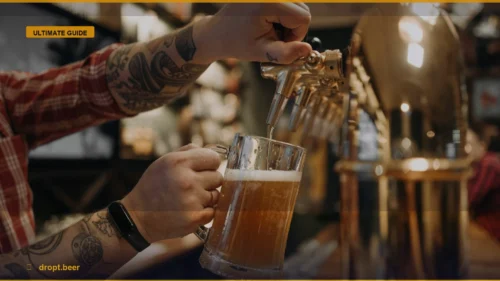
The scent hits you before you even cross the threshold: a heavy, comforting blend of damp stone, centuries-old dust, and the sharp, bright citrus of freshly tapped Polish IPA. You’re standing in a Kazimierz cellar, the kind of place where the walls are thick enough to block out the modern world. There is a low hum of conversation, the clinking of glassware, and a tap handle being pulled with purpose. This is the heartbeat of Krakow’s craft scene.
Too many visitors treat Krakow like a playground for cheap, mass-market lagers, but that is a mistake that costs you the best part of the trip. If you want to drink well here, you have to be intentional. You need to bypass the flashy signs in the Main Market Square and descend into the hidden spaces where the beer is treated with the respect it deserves. My position is clear: unless a venue is rotating its kegs with local micro-producers, it isn’t worth your limited time.
The Case for Kazimierz
The Kazimierz district isn’t just a historic neighborhood; it is the epicenter of the Polish craft revolution. While the Old Town has its charms, the density of quality brewing here is unmatched. According to the Brewers Association’s 2024 data regarding international craft growth, Poland has become a quiet powerhouse, and nowhere is that more evident than in these specific, dimly lit corners of the city.
Take Alchemia, for instance. It is the gold standard for atmosphere. You aren’t coming here for a sterile, industrial taproom experience. You are coming for the flickering candlelight and a glass of whatever Trzech Kumpli is pushing this week. They understand that beer is a social catalyst. When you order a sour from them, you are participating in a local tradition that values collaboration over mass production.
Variety Without the Compromise
If you find yourself overwhelmed by the sheer volume of choices, look for Strefa Piwa. It acts as the central nervous system of the city’s craft movement. They stock over 30 lines, which can be dangerous for the indecisive, but they maintain a standard of service that is rare in such a high-volume venue. The BJCP guidelines define excellence in service through proper temperature and carbonation, and Strefa Piwa hits those marks consistently, even on a Friday night when the room is packed to the rafters.
Don’t just point at a handle and hope for the best. Ask the staff what is fresh. Most of the time, they are eager to talk about the latest experimental Baltic Porter or a hop-forward pale ale from a regional brewery you’ve never heard of. It is this interaction that turns a standard drink into a lesson in regional brewing culture.
The Industrial Edge
For those who want to see the science behind the pour, Browar Koral is your destination. They bridge the gap between historic brewing and modern craft. There is something inherently honest about drinking a stout that was fermented just a few meters from where you are sitting. Their Koral Stout is a masterclass in balance—dark, roasty, but never cloying. It is a reminder that the best craft beer doesn’t always have to be a hop bomb to be compelling.
Finding the Quiet Moments
Not every great beer bar needs to be a loud, crowded party. T.E.A. Time offers a different rhythm. It sits in a space that feels like a forgotten tea room, but the focus here is on the nuanced, lower-ABV session beers that often get ignored in the race for the highest IBUs. The inclusion of herbal infusions shows a creative spirit that is distinctly Polish. It is the perfect place to sit, read, and actually taste what is in your glass without having to shout over a DJ.
Finally, there is Eszeweria. It is a cellar bar that feels less like a business and more like a curated collection of rare finds. Their IPA selection is arguably the best in the city for those who appreciate the finer points of hop science. You leave here knowing more about the Polish craft landscape than when you arrived. If you follow the leads shared at dropt.beer, you’ll find that the best nights in Krakow are the ones spent lingering over a single, perfect glass in a place that feels like home.
Frequently Asked Questions
Which Krakow district has the best craft beer?
Kazimierz is the undisputed champion of craft beer in Krakow. The density of independent, high-quality bars here is superior to the Old Town, which is often saturated with tourist-focused venues serving mediocre macro-lagers.
Is it worth tipping at bars in Krakow?
While not mandatory like in the US, tipping 10% is standard practice in Krakow if the service is good. If you are sitting at the bar and the staff takes the time to walk you through the local tap list, a small tip is a great way to show appreciation for their expertise.
What Polish beer styles should I look for?
Always look for Baltic Porter, which is a national specialty. Additionally, Poland has a world-class scene for modern sours and hoppy IPAs from breweries like Trzech Kumpli. If you see a “Grodziskie” on the menu, order it—it’s a historic, light, oak-smoked wheat beer that is truly unique to Poland.