Thoughtful drinking isn’t just a trend; it’s a fundamental shift in how we engage with beverages and the spaces that serve them. It’s about seeking out authenticity, appreciating craftsmanship, and understanding the stories behind every pour. From the burgeoning craft spirits market, projected to reach USD 52.85 billion by 2033 globally, to the booming low-ABV category, where non-alcoholic beverage sales have risen 67% since 2022, consumers are prioritizing quality, experience, and mindful consumption. This guide explores how to navigate this evolving landscape, from discovering hidden speakeasies to savoring spirits neat, empowering you to connect deeply with your drinks and the culture they represent.
The clink of ice, the murmur of conversation, the first whisper of aroma from a glass held just so—these are the small, profound moments I live for. I believe wholeheartedly that drinking isn’t just about what’s in your glass; it’s about the intention behind it, the hands that made it, and the story it tells. For too long, our culture has chased volume, flash, and the loudest buzz, missing the quiet power of authenticity. But something’s shifting. I feel it in the air, see it in the eyes of drinkers at the best bars, and taste it in every carefully crafted spirit and beer. We’re entering a beautiful era where thoughtful consumption isn’t a niche, it’s the expectation. And frankly, it’s about time.
Why does this topic matter now? Because the world of beer and spirits, particularly my beloved Mexican craft beer, tequila, and mezcal, is brimming with incredible human stories. We’ve seen an explosion of choice, yes, but also a growing hunger for genuine connection. People are tired of the same old mass-produced, marketing-heavy options. They want substance. They want to know the land, the people, the process. They want an experience that resonates, not just intoxicates. This isn’t just my opinion; the numbers tell a compelling story too. The global craft spirits market, for instance, is on a remarkable trajectory, expected to grow significantly, proving that drinkers are indeed seeking out these smaller, more intentional producers.
This isn’t just about what you drink, but where you drink it. It’s about the places that honor these values, the bartenders who are true artisans, and the communities that rally around liquid culture. We’re talking about a movement that elevates every aspect of imbibing, turning a simple drink into a memorable event. Every time I taste a truly exceptional mezcal, I’m transported to Oaxaca, feeling the sun on my face and hearing the whispers of generations of agave farmers. That’s the magic we’re chasing, and it’s what Dropt Beer is all about.
The Quiet Revolution of Craft & Authenticity
We’re living through a fascinating time in the beverage world. The sheer volume of options can feel overwhelming, but beneath the surface, a clear preference for authenticity and craftsmanship is solidifying. Consumers, from curious beginners to industry veterans, are increasingly seeking out products with genuine stories and transparent origins. Take the craft spirits market: it was valued at a staggering USD 21.32 billion in 2024 and is projected to more than double to USD 52.85 billion by 2033, demonstrating a fervent appetite for premium, authentic, and small-batch alcoholic beverages. This isn’t just about a higher price tag; it’s about perceived value, a connection to the maker, and a product that stands apart from the industrialized norm.
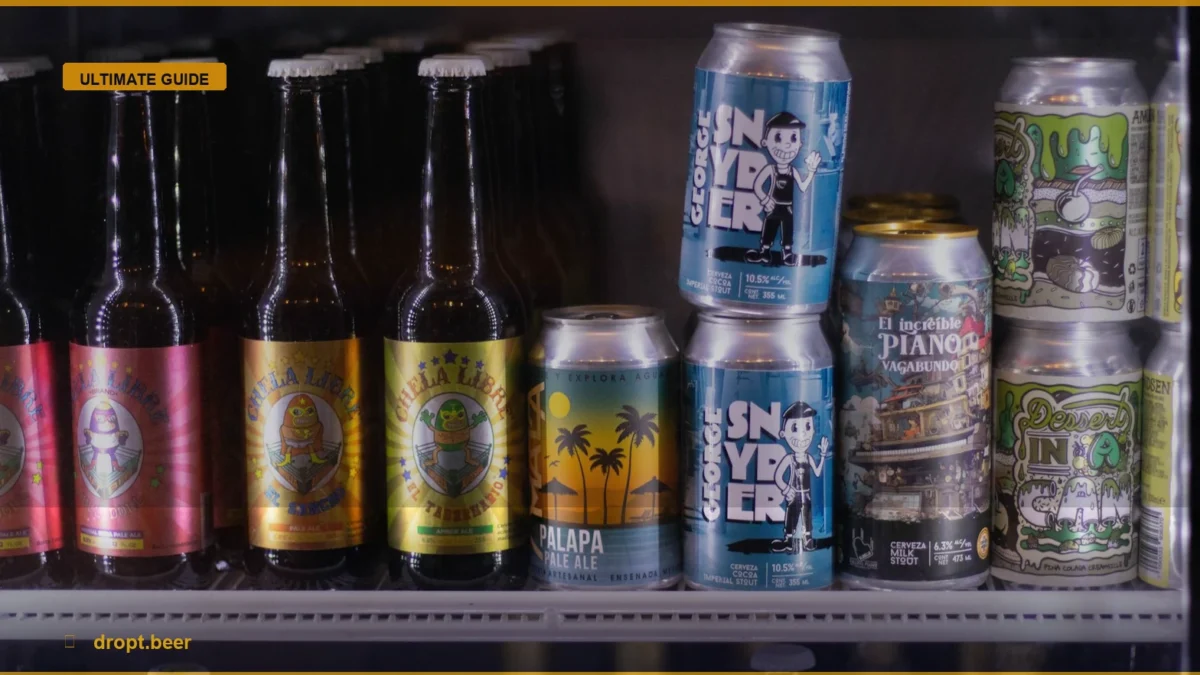
This shift isn’t limited to spirits. Craft beer, despite facing some headwinds and localized declines in certain markets like the U.S. in 2024, continues to see significant global growth, fueled by consumer demand for distinctive, high-quality beverages. The global craft beer market, for instance, was valued at USD 3.49 billion in 2024 and is expected to reach USD 8.83 billion by 2032. Drinkers crave unique taste profiles, locally sourced ingredients, and the community spirit that often accompanies independent breweries. We’re seeing a move away from the generic, a desire for something that feels personal, handcrafted. It’s about finding that special brew that speaks to your palate and your values.
Even in categories like tequila and mezcal, which have seen explosive growth—the U.S. market alone is set to reach USD 4.23 billion by 2034—there’s a growing conversation around authenticity. The recent agave oversupply and the proliferation of celebrity-backed brands have sparked a critical dialogue about what truly constitutes a quality, traditional agave spirit. It’s a reminder that even in booming markets, the pursuit of genuine character is paramount. This quiet revolution isn’t about rejecting everything mainstream; it’s about demanding more from everything we consume.
The Unseen Architect: Crafting Experiences Beyond the Glass
A truly great drink is only part of the equation. The space where you enjoy it? That’s where the magic often happens. Bars today are transforming into social hubs, becoming unseen architects of experience. They’re no longer just places to grab a drink; they’re destinations that offer immersive narratives and foster genuine connection. This is why I chose to highlight places like BeerGeek in Prague, a bar that balances tradition with modern craft, creating a unique beer experience. It’s not just about the taps; it’s about the vibe, the knowledge, the journey.
The modern speakeasy movement perfectly embodies this experiential shift. These aren’t just hidden rooms; they’re portals to another time, places where the craft of the cocktail is revered and the atmosphere is meticulously curated. The global speakeasy bar market reached an impressive USD 7.8 billion in 2024 and is projected to grow at a CAGR of 6.2% through 2033. People are drawn to the exclusivity, the vintage themes, and the demand for premium craft beverages that define these establishments. They offer an intimate setting, a contrast to the impersonal nightlife venues, and are often at the forefront of mixology innovation. Hidden speakeasies of Gold Coast Chicago, for example, are revered by locals precisely because they prioritize genuine interaction and expertly crafted drinks over flashy facades.
This desire for authentic, local experiences extends everywhere. Think about drinking like a local in Sarajevo. It’s not about finding the biggest club; it’s about discovering the small, unassuming spots where stories are shared and friendships are forged over a rakija or a local beer. These are the places that truly capture the spirit of a city, offering a sense of belonging that you simply won’t find in a tourist trap. As consumers increasingly seek unique experiences, speakeasies and local haunts are perfectly positioned to meet that demand.
The Spirit’s True Voice: Sipping, Not Mixing
There’s a prevailing notion that spirits are merely ingredients in a cocktail, a base to be dressed up with mixers and garnishes. And while I love a well-made cocktail, I believe wholeheartedly that we often do a disservice to truly exceptional spirits by always relegating them to a supporting role. The truth is, many craft spirits are designed to be appreciated on their own terms. Every time I taste a single-origin tequila or a complex mezcal, I’m reminded of the nuance and depth that can be lost in a heavily mixed drink.
Consider gin. For years, it was almost exclusively paired with tonic. But when you delve into the world of craft distillers, you discover gins with incredibly intricate botanical profiles—floral, citrus, earthy, spicy—that deserve center stage. That’s why sipping a truly great gin neat, or with just a single, perfectly clear ice cube, reveals layers of flavor you’d never find otherwise. This isn’t about snobbery; it’s about respect for the distiller’s art. The craft spirits industry is seeing a clear preference for premium labels, with consumers actively seeking out authenticity and personality in their choices. These are spirits meant for contemplation, for savoring, for truly listening to their voice.
This selective premiumization, where drinkers opt for higher quality over quantity, is a significant trend, according to IWSR data. When you choose to sip a spirit neat, you’re not just drinking; you’re engaging in a dialogue with the liquid, appreciating the subtle dance of flavors and aromas. It’s a mindful act, a celebration of the distiller’s intent, and a way to truly connect with the essence of the spirit. This approach allows the product’s authentic character to shine through, unmasked by distractions.
The Subtle Power of the Fermented: Cordials and the Low-ABV Wave
The conversation around thoughtful drinking isn’t just about premium spirits; it’s also about mindful consumption, and that means embracing the beauty of low-alcohol and even non-alcoholic options. This movement isn’t about abstinence; it’s about choice, balance, and flavor. We’ve seen a remarkable surge in this category, with non-alcoholic beverage sales in the U.S. rising by 67% since 2022. This indicates a clear desire among consumers, especially millennials and Gen Z, for diverse options that align with health and wellness goals without sacrificing taste.
Enter the fermented cordial—an unsung hero, indeed. Often dismissed as a simple mixer, the cordial, especially when fermented, offers a sophisticated, low-alcohol beverage experience all its own. These aren’t just sweet syrups; they are complex, tangy, and often herbaceous liquids that can stand alone or add incredible depth to a lighter drink. They represent a creative frontier in mixology, allowing for drinks that are nuanced and satisfying, but without the high ABV. It’s about flavor intensity, not alcohol content. The demand for low-alcohol beverages continues to grow across 2025 due to modern drinking trends and bartender innovation.
This trend is a game-changer for anyone who wants to enjoy the social ritual of drinking without the full impact of alcohol. It fosters creativity, encourages exploration of new flavor profiles, and opens up the bar to a wider audience. Bars are increasingly offering sophisticated non-alcoholic and low-alcohol options, recognizing the importance of catering to diverse preferences. It’s about recognizing that a truly great drinking experience isn’t defined by its potency, but by its quality, its story, and its ability to connect with you.
Connecting the Drops: Why Thoughtful Choices Matter
Ultimately, the art of thoughtful drinking is about making conscious choices. It’s about asking questions: Who made this? What’s their story? How does this make me feel? It’s about slowing down, savoring, and engaging with our beverages on a deeper level. This isn’t just a fleeting trend; it’s a cultural realignment, a recognition that quality, authenticity, and experience truly matter. The industry is responding, with a clear move towards premiumization and a focus on unique, artisanal products.
From the burgeoning craft beer scene, which despite some regional dips, is poised for global growth, to the dynamic world of craft spirits, where distillers are increasingly focused on local ingredients and transparent processes, the landscape is evolving. We see it in the rise of speakeasies and local bars that prioritize immersive experiences, and in the growing popularity of low-ABV and non-alcoholic options that cater to a more health-conscious consumer. These are not isolated phenomena; they are interconnected threads in a rich fabric of evolving beverage culture.
So, what’s your actionable takeaway? Seek out the small batch. Ask your bartender about the provenance of their spirits. Explore a fermented cordial in your next drink. Visit that unassuming local spot rather than the flashy chain. Choose quality over quantity, always. Because when you drink thoughtfully, you’re not just enjoying a beverage; you’re participating in a story, supporting a craft, and enriching your own experience, one exquisite sip at a time.
Frequently Asked Questions
What defines thoughtful drinking in today’s beverage culture?
Thoughtful drinking is about making conscious choices that prioritize quality, authenticity, and experience over mere consumption. It involves appreciating the craftsmanship, understanding the origin stories of beverages, and engaging with drinks in a more mindful way. This approach often leads consumers to seek out smaller, independent producers, unique flavor profiles, and establishments that offer curated, immersive experiences rather than just serving drinks. It’s a shift towards valuing the narrative and the human element behind every sip.
How are craft spirits and beer markets evolving to meet consumer demand for authenticity?
Craft spirits and beer markets are increasingly focusing on premiumization, local sourcing, and unique production methods to satisfy consumer demand for authenticity. Distilleries and breweries are emphasizing transparent processes, distinctive flavor profiles, and the stories of their founders and regions. While some larger craft segments face challenges, the overall trend points to growth in smaller, independent operations that foster community and offer unique, high-quality products. This includes a rise in non-alcoholic and low-ABV craft options as well, showcasing adaptability.
Why are speakeasy bars and local haunts gaining popularity?
Speakeasy bars and local haunts are thriving because they offer unique, immersive experiences that go beyond traditional nightlife. Consumers, especially younger demographics, are seeking intimacy, exclusivity, and a sense of discovery. These establishments often feature meticulously crafted cocktails, vintage themes, and a focus on personalized service, creating a genuine social atmosphere. They act as cultural hubs, fostering connection and offering a curated escape from the ordinary, which resonates deeply with the desire for authentic, memorable outings. The global speakeasy market is projected for robust growth.
What is the significance of the low-ABV and non-alcoholic trend in modern drinking?
The low-ABV and non-alcoholic trend signifies a growing consumer focus on health, wellness, and mindful consumption. It’s not about abstaining, but about having more choices that allow for balance and flavor without excessive alcohol content. This trend encourages innovation in mixology, with ingredients like fermented cordials offering sophisticated alternatives. It expands the inclusivity of drinking culture, catering to those who want to participate in social rituals while managing their alcohol intake, and contributes to a broader appreciation for diverse and complex flavor profiles in beverages.
How can I practice thoughtful drinking in my everyday life?
Practicing thoughtful drinking means making intentional choices about what and where you drink. Start by seeking out craft producers, whether it’s a local brewery, an independent distillery, or a bar known for its curated selection. Ask your bartender questions about the drinks’ origins and ingredients. Consider sipping spirits neat to fully appreciate their complexity, or explore low-ABV options like fermented cordials. Prioritize quality over quantity, and choose establishments that offer unique experiences and genuine connections. It’s about engaging with your drink, not just consuming it.