{
“title”: “Navigating the Modern Drink Landscape: Beer, Spirits & Mindful Choices”,
“content”: “
It’s a common misconception that mixing different types of alcohol inherently makes you sicker. The truth, backed by scientific consensus, is that your overall blood alcohol content (BAC) primarily dictates how intoxicated you feel and the severity of a hangover, not the specific combination of beverages. However, mixing can easily lead to consuming more alcohol at a faster rate, making it harder to track your intake. The modern drink landscape is seeing a significant shift towards mindful consumption, a surge in non-alcoholic and low-alcohol options, and a nuanced appreciation for both high-ABV craft beverages and carefully constructed mixed drinks. Understanding standard drink sizes, pacing yourself, and staying hydrated remain the most effective strategies for thoughtful enjoyment.
\n
\n\n
I deeply believe that understanding what’s in your glass, and what’s happening in the wider world of beverages, makes every sip more rewarding. In my experience with readers, the conversation around alcohol often gets tangled in old wives’ tales or overly simplistic rules. But the reality of how we drink, especially with the incredible diversity of options available today, is far more complex and, frankly, far more interesting. We’re not just talking about what tastes good anymore; we’re exploring how alcohol interacts with our bodies, how culture shapes our choices, and how a growing movement of thoughtful drinkers is reshaping the entire industry.
\n\n
Right now, as a content editor deeply immersed in craft lagers, pilsners, and European beer styles, I see a fascinating crossroads. People are drinking differently. There’s a palpable shift towards intentionality, a desire to appreciate quality over sheer quantity. This isn’t just a fleeting trend; it’s a durable realignment of social norms. We’re seeing a significant decline in overall alcohol consumption, with U.S. adults reporting a drop from 67% in 2022 to 54% in 2025 who consume alcoholic beverages regularly. That’s a massive change in a short time, isn’t it?
\n\n
This article isn’t about telling you what to drink. It’s about empowering you with knowledge. It’s about breaking down the complexity of alcohol content, dispelling common myths about mixing, and giving you practical takeaways so you can make informed decisions, whether you’re reaching for a crisp pilsner, a robust imperial stout, or a meticulously crafted cocktail. Let’s explore this vibrant, evolving landscape together.
\n\n
The Shifting Sands of Sips: What We’re Drinking Now (and Why)
\n
The beverage alcohol market is in a remarkable period of transformation. If you’ve felt a change in how people approach drinking, you’re not imagining it. Consumers, particularly younger generations like Millennials and Gen Z, are increasingly prioritizing health and mental wellness, leading to a noticeable reduction in overall alcohol intake. This isn’t a decline in interest, though; it’s a recalibration.
\n\n
One of the most striking developments is the meteoric rise of non-alcoholic (NA) and low-alcohol (LoNo) options. The global market for no- or low-alcohol beverages now exceeds $13 billion, with growth rates far outpacing traditional alcohol categories. Non-alcoholic beer sales, for instance, soared over 30% year-over-year from January through October 2024, reflecting a growing demand for mindful drinking options. It’s a segment that’s projected to grow at a compound annual growth rate (CAGR) of 7.4% between 2024 and 2030 in the NA beverage market alone. Millennials, in particular, are driving this trend, making up 61% of NA beer consumers. They’re not necessarily abstaining entirely, but rather integrating these options into a more balanced lifestyle.
\n\n
Then there’s the ready-to-drink (RTD) phenomenon. These convenient, pre-mixed beverages have become a structural pillar of U.S. alcohol consumption. By mid-2025, the RTD/RTS category was estimated at $13.9 billion, accounting for 12.5% of total U.S. beverage-alcohol dollar sales. From hard seltzers to canned cocktails, consumers appreciate the ease and variety these offer. This isn’t just about convenience; it’s about flavor exploration and portion control in a format that fits a modern, on-the-go lifestyle.
\n\n
What about premiumization? It’s still a factor, but it’s becoming more nuanced. While spirits and wine have seen a slowdown in this trend, premium beer shows resilience. Younger consumers, while drinking less, are often willing to trade up for higher-quality products when they do choose to indulge. This creates a fascinating duality: value-driven, high-volume categories like mainstream beer coexist with high-margin, premium offerings such as craft spirits and specialty lagers. It’s a market where a discerning drinker can find exceptional value at any price point, if they know what to look for.
\n\n
The Mixing Conundrum: Dispelling Myths, Embracing Nuance
\n
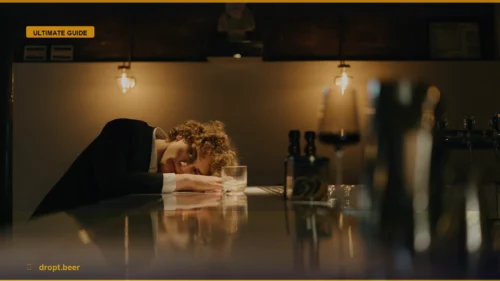
We’ve all heard the old adage: “Beer before liquor, never been sicker. Liquor before beer, you’re in the clear.” It’s a catchy rhyme, but it’s largely a myth. In fact, most experts agree that the *total amount of alcohol* you consume, and the rate at which you consume it, are the primary factors determining your level of intoxication and the severity of any subsequent hangover. The specific order or combination of alcoholic beverages plays a much smaller, if any, direct role.
\n\n
So, why does mixing sometimes feel worse? It often boils down to a few key reasons. When you switch between different types of alcohol, especially from a lower ABV drink like beer to higher ABV spirits, it’s incredibly easy to lose track of your total intake. Your body might become accustomed to the lower alcohol percentage, and then suddenly, you’re consuming something far stronger without adjusting your pace. This can lead to faster and higher overall alcohol consumption, which, in turn, leads to greater impairment and a worse hangover.
\n\n
Another factor often discussed is congeners. These are byproducts of fermentation that are present in varying amounts in different alcoholic beverages. Darker spirits, like whiskey or brandy, tend to have more congeners than clearer spirits like vodka or gin. While some theories suggest that mixing drinks with different congener levels might increase stomach irritation, there’s no conclusive scientific evidence to firmly back this up. What matters more is the sheer volume of ethanol you’re processing.
\n\n
This is where the concept of a “standard drink” becomes incredibly valuable. Regardless of whether it’s beer, wine, or spirits, a standard drink contains a consistent amount of pure ethanol. In the U.S., that’s typically 14 grams of ethanol, which equates to about a 12-ounce regular beer (around 5% ABV), a 5-ounce glass of wine (around 12% ABV), or a 1.5-ounce shot of 80-proof distilled spirits (around 40% ABV). Knowing these equivalents is a powerful tool for mindful drinking, allowing you to track your consumption accurately, no matter what you’re sipping.
\n\n
I’ve also seen a lot of discussion about mixing beer and vodka, or even the origins of mixing vodka and beer for a modern boilermaker. The principle remains the same: it’s not the combination itself, but the overall alcohol load. If you’re going to combine, do it thoughtfully, slowly, and with a clear understanding of the total units you’re consuming.
\n\n
Beyond the Buzz: Understanding Alcohol By Volume (ABV) and Its Impact
\n
ABV, or Alcohol By Volume, is a simple percentage that tells you how much pure alcohol is in a given volume of your drink. While it sounds straightforward, its impact on your experience can be profound. A higher ABV means more alcohol per serving, and that translates to a quicker path to intoxication if you’re not careful. Most regular beers hover between 4% and 10% ABV, while spirits typically start around 35-40% ABV and can go much higher.
\n\n
The craft beer world, my particular passion, has seen a fascinating divergence when it comes to ABV. There’s a clear “bifurcation” in the market: growth is strong at both ends of the spectrum. On one side, we have the booming low- and no-alcohol segment, as discussed earlier. On the other, high ABV beers (8% ABV or more) are also experiencing significant growth, with dollar sales increasing by 7.4% year-to-date through October 2024. These aren’t just novelty beers; they’re often meticulously crafted, complex brews intended for slow, contemplative sipping.
\n\n
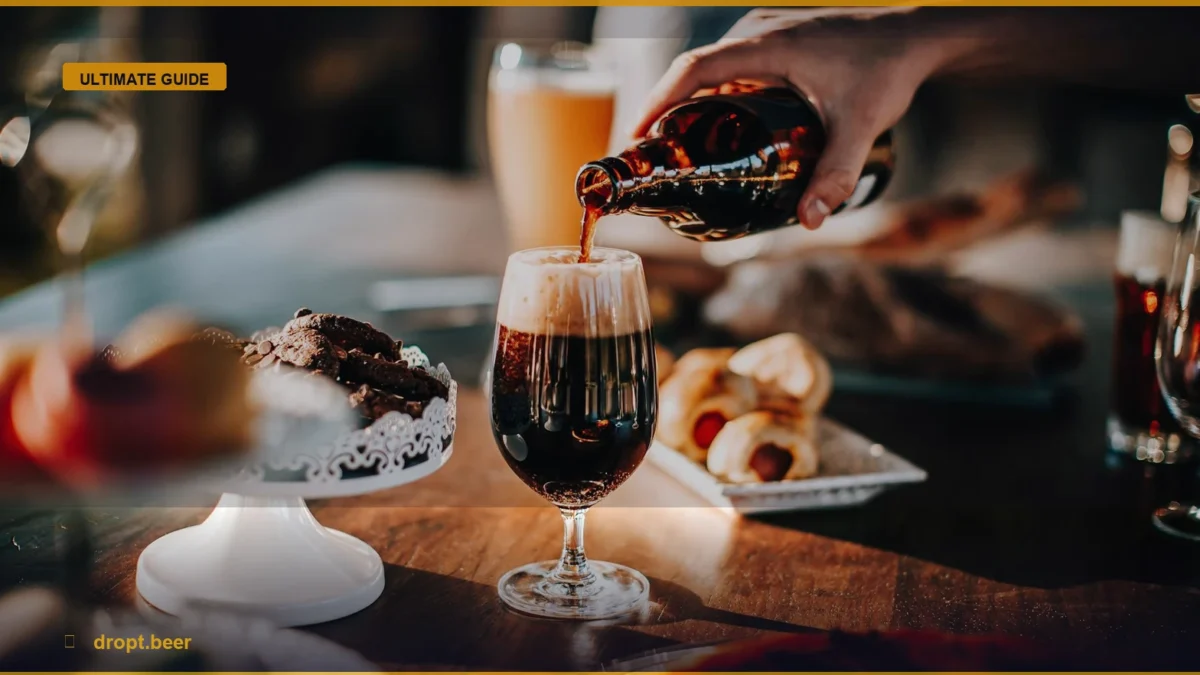
Think about the world’s biggest beers in the world, often defined by their extreme ABVs. These aren’t session beers. They demand respect. A 12% ABV Imperial Stout, for instance, delivers significantly more alcohol per ounce than a 5% Pilsner. The enjoyment comes from its depth of flavor, its warming character, and the deliberate pace it encourages. It’s about savoring, not chugging. This applies equally to spirits; a neat pour of a high-proof whiskey, like a well-aged single malt, is meant to be appreciated for its intricate aromatics and flavors, not rushed.
\n\n
It’s also worth considering the truth about the strongest mixed drinks. Often, these aren’t just high in ABV because of the spirit component, but because they combine multiple spirits or liqueurs, quickly escalating the total alcohol content beyond what a typical standard drink might imply. Understanding ABV in this context helps you make smarter choices when ordering or mixing at home.
\n\n
Crafting Your Experience: Practical Takeaways for Thoughtful Enjoyment
\n
So, what does all this mean for your next drink? It means choosing to be informed, to be present, and to prioritize your enjoyment and well-being. My aim, always, is to make this knowledge accessible, so you can drink thoughtfully and confidently.
\n\n
Here’s what matters most:
\n
- \n
- Know Your Standard Drink: This is your foundational tool. Remember that 12 oz beer, 5 oz wine, 1.5 oz spirits rule (for roughly 14g of ethanol in the U.S.). This helps you accurately gauge your intake, regardless of the beverage.
- Pace Yourself: Aim for no more than one standard drink per hour. Your body processes alcohol at a relatively consistent rate, and slowing down gives it time to do its work.
- Hydrate Thoughtfully: Alternate every alcoholic drink with a glass of water. This isn’t just about avoiding a hangover; it helps your body process alcohol more effectively and keeps you feeling better throughout your evening.
- Eat Before and During: Food in your stomach slows the absorption of alcohol into your bloodstream. A good meal before you start, and some snacks while you’re drinking, can make a significant difference.
- Set Your Limit: Decide before you start how many drinks you’ll have, and stick to it. This is a simple yet powerful strategy for responsible enjoyment.
- Beware of Energy Drink Mixers: While some studies suggest mixing alcohol with energy drinks doesn’t mask objective intoxication, it can make you feel more alert, leading to increased consumption and riskier behaviors like binge drinking or impaired driving. The CDC explicitly warns against this combination, citing health risks like higher blood pressure and irregular heartbeat.
- Appreciate the Craft: Whether it’s a perfectly balanced lager or a complex Irish whiskey, like how to drink Jameson, take a moment to savor it. Notice the aromas, the flavors, the texture. That’s where the true joy of thoughtful drinking lies.
\n
\n
\n
\n
\n
\n
\n
\n\n
The Human Element: Why Every Drink Tells a Story
\n
Beyond the science and the statistics, every beer, every spirit, every cocktail has a story. It’s the story of the brewer who painstakingly perfects a lager recipe, the distiller who ages whiskey for years, or the bartender who crafts a drink that perfectly captures a moment. At Dropt Beer, we celebrate these human stories, because they’re what give our drinks soul.
\n\n
The rise of craft breweries, even with recent challenges—U.S. craft brewers produced 3.9% less in 2024 than in 2023—still reflects a deep passion for quality and innovation. These small, independent producers are often at the forefront of experimental flavors, sustainable practices, and community building. They offer unique, limited-edition brews that draw crowds and foster a sense of local pride. This isn’t just about a product; it’s about an experience, a connection.
\n\n
Think about the simple joy of sharing a pint with friends, the quiet contemplation of a neat dram, or the celebratory clink of cocktail glasses. These moments are enriched when we understand what we’re consuming. When we approach our drinks with curiosity and respect, we honor the craftsmanship and the culture behind them. It’s about more than just alcohol; it’s about community, tradition, and the simple pleasure of a well-made beverage.
\n\n
\n\n
Frequently Asked Questions
\n
Is it dangerous to mix different types of alcohol?
\n
No, mixing different types of alcohol is not inherently dangerous. The primary factor in how intoxicated you become and the severity of a hangover is the total amount of alcohol consumed, not the specific combination. However, mixing can lead to consuming more alcohol faster, making it harder to track your intake, which then increases the risk of over-intoxication. Focus on total units and pacing.
\n
\n
\n
What is a standard drink, and why is it important to know?
\n
A standard drink contains a consistent amount of pure ethanol, regardless of the beverage type. In the U.S., this is typically 14 grams of ethanol, found in about 12 ounces of regular beer, 5 ounces of wine, or 1.5 ounces of 80-proof spirits. Knowing this helps you accurately track your alcohol consumption, which is crucial for responsible drinking and managing your intoxication level effectively.
\n
\n
Are people drinking less alcohol these days?
\n
Yes, there’s a noticeable trend of declining alcohol consumption, particularly among younger generations like Millennials and Gen Z. Gallup data shows a significant drop in U.S. adults who consume alcohol regularly, from 67% in 2022 to 54% in 2025. This shift is largely driven by increased health consciousness and the growing popularity of non-alcoholic and low-alcohol beverages.
\n
\n
What are non-alcoholic (NA) and low-alcohol (LoNo) beverages?
\n
NA and LoNo beverages are drinks designed to mimic the taste and experience of alcoholic beverages but with minimal or no alcohol content. The NA market is booming, growing at a significant rate, and offers alternatives for those seeking to reduce their alcohol intake or embrace a sober-curious lifestyle. These options provide flavor and social enjoyment without the intoxicating effects.
\n
\n
Why should I avoid mixing alcohol with energy drinks?
\n
Mixing alcohol with energy drinks is risky because caffeine can mask the feeling of intoxication, making you feel more alert than you actually are. This can lead to increased alcohol consumption, binge drinking, and a higher likelihood of risky behaviors like impaired driving. The combination also carries health risks such as elevated blood pressure and irregular heartbeats. It’s best to avoid this mix.
\n
\n
\n
“,
“meta_description”: “Amelia Cross explores how mindful drinking, diverse preferences, and mixing trends are reshaping how we enjoy beer and spirits in 2024 and beyond.”,
“focus_keyword”: “Modern Drink Landscape: Beer, Spirits”,
“excerpt”: “The modern drink landscape is evolving, with consumers increasingly embracing mindful choices and diverse beverage options. Understanding the nuances of alcohol content, dispelling myths about mixing, and appreciating the craft behind every pour enriches the drinking experience.”,
“suggested_categories”: [“Beverage Culture”, “Responsible Drinking”],
“suggested_tags”: [“craft beer”, “spirits”, “cocktails”, “mindful drinking”, “non-alcoholic”, “high ABV”, “responsible consumption”, “drink trends 2024”, “beer and spirits”, “ABV”]
}