Quick Answer
A true fermented cordial is a low-alcohol (0.5%–5% ABV) botanical or fruit-forward beverage that bridges the gap between craft soda and light beer. You should treat them as sophisticated palate cleansers or sessionable alternatives to high-sugar sodas, choosing products that prioritize real fruit infusion over artificial syrups.
- Look for 0.5%–5% ABV on the label to ensure it is a genuine fermented product.
- Check the ingredient list for whole fruit or botanical extracts, not generic ‘flavoring’.
- Serve chilled in a stemmed glass to appreciate the aromatic complexity of the botanicals.
Editor’s Note — Diego Montoya, Beer & Spirits Editor:
I firmly believe that if your local brewery taproom doesn’t have a high-quality low-ABV option beyond a standard soda, they’re missing half their potential audience. In my years covering the intersection of craft brewing and non-alcoholic innovation, I’ve found that the fermented cordial is the most underutilized tool in a brewer’s arsenal for creating a truly inclusive social space. I chose Ryan O’Brien for this piece because his deep, scholarly understanding of monastic brewing traditions brings a necessary level of respect to what many dismiss as a mere ‘soft drink.’ Stop ignoring these nuanced brews and order a house-made cordial at your next brewery visit to see exactly what I mean.
The scent hits you before the glass even touches the table—a crisp, sharp spike of crushed hibiscus and toasted ginger, followed by the faint, earthy hum of yeast. It isn’t the heavy, resinous punch of a double IPA, nor is it the cloying, synthetic sweetness of a commercially produced soda pulled from a fountain gun. It’s a fermented cordial, a drink that feels ancient yet entirely modern, sitting quietly at the edge of the menu as if waiting for someone to finally take it seriously.
The cordial is not a syrup. It is not a cocktail mixer. It is a legitimate, fermented beverage that deserves the same critical attention we afford to a well-crafted Trappist ale or a dry-hopped saison. We often fetishize high-gravity, high-intervention beers, but there is a profound discipline required to make a drink that clocks in at 2% ABV without it tasting like flat juice. The cordial is the unsung hero of the modern taproom, and it’s time we stopped treating it like an afterthought for the designated driver.
The Anatomy of the Cordial
To understand the cordial, you must first strip away the confusion caused by 18th-century medicinal syrups. Modern fermented cordials are defined by a modest fermentation process, usually kept between 0.5% and 5% ABV. According to the BJCP guidelines regarding low-alcohol and non-alcoholic beers, the pursuit of flavor complexity without the reliance on heavy residual sugars is the defining challenge. Cordials achieve this by fermenting fruit or botanical extracts with just enough sugar to sustain a short, cool-temperature cycle—typically 12 to 18 degrees Celsius—over three to seven days.
This is not a long-term aging process. It is a capture of freshness. By keeping the fermentation window tight, the yeast produces a delicate, sparkling carbonation that lifts the botanical aromatics rather than burying them under the heavy, complex esters you would find in a Belgian Tripel. The result is a drink that functions as a palate cleanser, a midday refresher, or a sophisticated bridge between the first and second beer of a flight.
The Brewing Science
The production cycle for these drinks is a testament to the versatility of modern brewing equipment. Many of the most respected craft breweries—like those highlighted in the Oxford Companion to Beer for their experimental yeast strains—are finding that cordials offer a fast-turnaround revenue stream. The base is often nothing more than filtered water, raw fruit purée, and a targeted yeast strain that doesn’t over-attenuate the sugar.
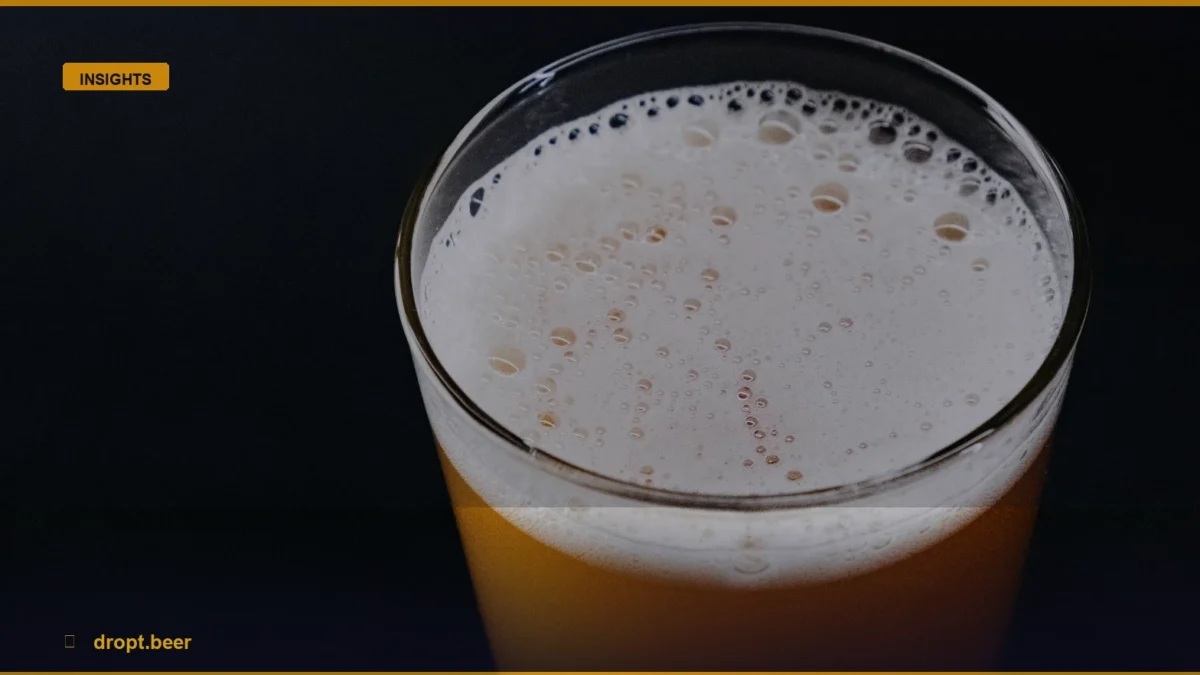
Think about the way a brewer approaches a Gose; they are looking for acidity and brightness. In a cordial, you are doing the same, but without the malt backbone. You aren’t brewing for structure; you are brewing for clarity of flavor. If you find yourself in a brewery that offers a house-made elderflower or ginger cordial, pay attention to the mouthfeel. A well-crafted cordial should have a gentle fizz, typically around 1.5 to 2.5 volumes of CO2. If it feels aggressive, like a soda, it has been forced to mimic a soft drink rather than being allowed to exist as a fermented product.
Selecting the Right Bottle
Not all cordials are created equal. When you are looking to buy, you must be a detective. First, check the ABV. If there is no alcohol content listed, you aren’t buying a fermented beverage; you are buying a sugar syrup that has been carbonated. Second, look at the ingredient list with the same scrutiny you would apply to a craft cider. You want to see whole botanicals or specific fruit purées. Avoid anything that lists ‘natural flavors’—a catch-all term for laboratory-created compounds that lack the soul of a real infusion.
Consider the ginger-based ferments that have recently taken the industry by storm. These drinks are successful because they understand the balance of spice and acidity. They don’t try to be beer, and they don’t try to be juice. They occupy a distinct space where the heat of the ginger is tempered by the clean, dry finish of a properly managed fermentation. This is the hallmark of a high-quality cordial: a finish that invites the next sip rather than one that leaves your tongue coated in sugar.
Avoiding the Common Pitfalls
The most frequent error I see in the wild is the dilution reflex. Because we are conditioned to think of cordials as concentrated syrups, people often add soda water to them. Don’t do this. If you have purchased a ready-to-drink fermented cordial, it is already balanced. Diluting it ruins the tension between the fruit acidity and the residual sugar. You are essentially dismantling the brewer’s work before you take your first swallow.
Additionally, stop looking for bitterness. The cordial is not an IPA. If you are going into a glass of fermented hibiscus-rhubarb expecting the hop-driven astringency of a craft pale ale, you will be disappointed. These drinks are designed to highlight the raw, unadulterated character of the botanical source. They are an exercise in restraint. If you want to expand your drinking repertoire, start by ordering a flight of low-ABV cordials at a reputable brewery. It will force you to focus on the subtleties of the ingredients—the way the floral notes interact with the yeast-derived acidity—in a way that heavy, high-ABV beers simply won’t allow.
At dropt.beer, we believe that being a thoughtful drinker means knowing when to slow down and appreciate the smaller, quieter side of the craft. The cordial is the perfect vessel for that kind of experience. Next time you see one on a menu, skip the lager and see what the brewer has been hiding in the back of the tank.
Frequently Asked Questions
Are cordials just non-alcoholic beers?
No. While they share some production techniques, cordials are typically made from fruit, herbs, and botanicals rather than malted grains. They lack the cereal, bready notes of beer and focus instead on bright, acidic, or floral profiles. While some hybrid styles incorporate a small amount of ale, a true cordial is its own distinct category of fermented drink.
Do all cordials contain alcohol?
Yes, by definition, a fermented cordial contains a trace amount of alcohol, usually between 0.5% and 5% ABV. This is a byproduct of the short fermentation process used to develop the flavor and natural carbonation. If you find a product labeled ‘cordial’ with 0.0% alcohol, it is likely a flavored syrup or a soft drink, not a fermented product.
How long do fermented cordials last once opened?
Because they are lightly fermented and often contain less alcohol than beer, they are more perishable. Once opened, you should treat them like a fresh juice or a delicate cider. Consume the bottle within 48 hours and keep it refrigerated at all times to prevent the flavor from oxidizing or the fermentation from continuing in the bottle, which can cause the taste to turn overly sour.
Can I mix a cordial with spirits?
You certainly can, but be careful. A high-quality fermented cordial is already balanced in terms of acidity and sweetness. If you mix it with a high-proof spirit, you risk masking the subtle botanical notes that make the cordial unique. If you must mix, use a neutral spirit like a dry gin or a light vodka, and keep the ratio at least three parts cordial to one part spirit.