True quality in today’s beverages stretches far beyond flashy labels or marketing claims. It demands an understanding of foundational ingredients, meticulous production processes, and the passionate intent of the maker. From spirits to beer and wine, dispelling common myths and appreciating genuine craftsmanship transforms casual drinking into a thoughtful, richer experience. This guide cuts through the noise, offering actionable insights for anyone ready to truly understand what’s in their glass.
I firmly believe most drinkers are missing the point. We live in an era of unprecedented choice, a veritable ocean of bottles, cans, and taps, yet genuine understanding often gets lost in the flood. What most people miss is that the beverage industry, for all its innovation, thrives on assumptions and surface-level impressions. In my years covering this industry, I’ve seen countless fads come and go, but the core truth remains: quality isn’t just a buzzword; it’s a commitment etched into every ingredient, every process, and every story.
This isn’t about snobbery. It’s about respect for what you consume and for the people who make it. It’s about cutting through the marketing noise and truly connecting with the liquid in your glass. Why does this topic matter now? Because consumers are more curious than ever, yet paradoxically, they’re often easily misled. The global beverage market reached an astounding $5.05 trillion in 2025 and is projected to hit $5.42 trillion in 2026, driven by a dual force: a wellness movement and a premiumization trend. That means more options, more claims, and a greater need for a discerning palate. It’s time we all learned to drink thoughtfully.
The Illusion of Simplicity: What’s Really in Your Glass?
Walk into any bar, and you’ll hear the same old tales repeated. Myths about ingredients, about styles, about what makes a drink "good." The truth is, many of these popular notions are simply wrong. Take vodka, for instance. Most people assume it’s made from potatoes. It’s a classic trope, right?
But that’s largely a myth. While some vodkas do use potatoes, the vast majority are distilled from grains like wheat, rye, or corn. The base material isn’t the only story, either; the distillation and filtration processes are what truly define a vodka’s character, or lack thereof. We’ve explored this in depth, clearing up the biggest myth in the spirits industry, and it’s a stark reminder: don’t let a simple assumption dictate your understanding.
This extends to nearly every category. The raw materials—grains, fruits, botanicals—are fundamental, yes. They provide the fermentable sugars and initial flavor compounds. But the magic, the true transformation, happens during fermentation and distillation, where yeast strains are carefully chosen, and volatile compounds are created or refined. Without a grasp of these processes, you’re only getting half the picture.
Craftsmanship Over Hype: The Pursuit of True Quality
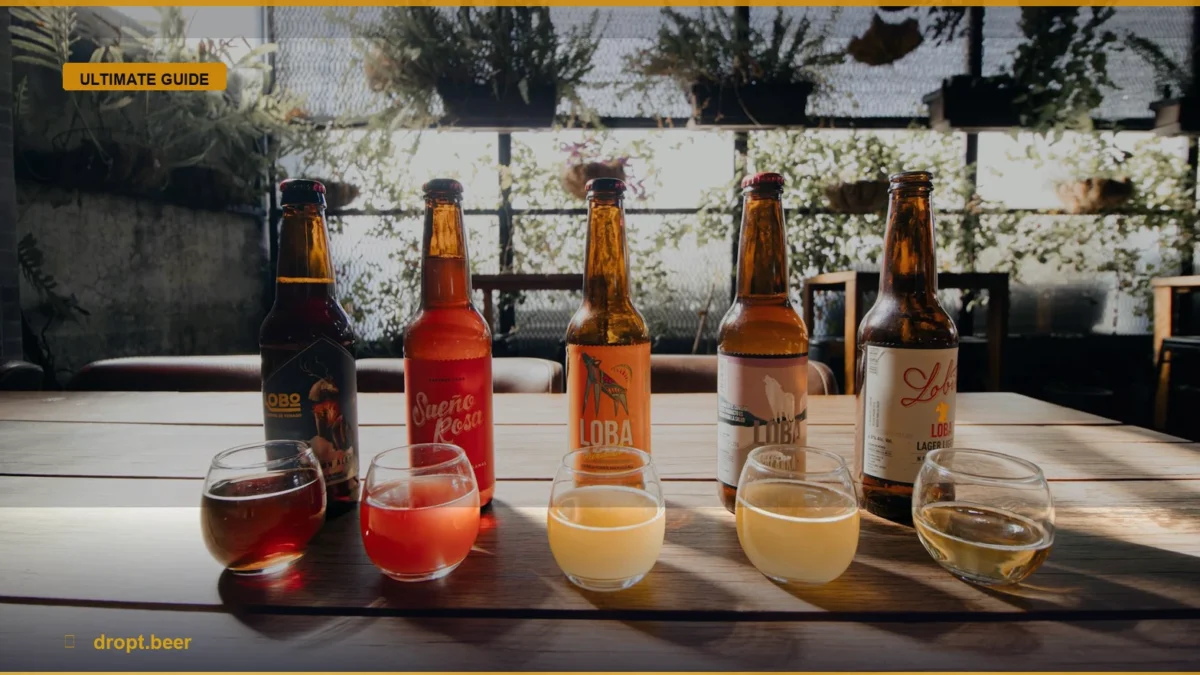
In a world overflowing with "craft" labels, how do you separate genuine artistry from mere marketing? It comes down to craftsmanship, a dedication to process, and an unwavering focus on freshness. This is particularly true in the booming craft beer and spirits sectors. The global craft beer market, for example, was valued at USD 113.58 billion in 2025 and is projected to grow to USD 126.08 billion in 2026. The U.S. craft beer market alone generated $30,538.5 million in 2025.
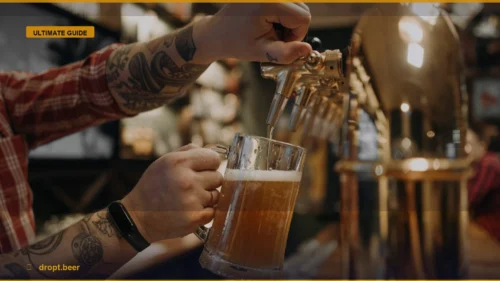
Yet, growth doesn’t always equal quality. In my experience, a bar with a hundred taps doesn’t automatically mean it’s better than one with ten. Often, it’s quite the opposite. The best craft beer bars in NYC, for instance, don’t focus on sheer volume. They prioritize freshness, rotation, and proper serving techniques. Think more taps mean better beer? Think again.
The craft spirits market shows a similar, albeit more complex, narrative. It’s seen exponential growth, projected to reach $61.55 billion in 2026. Consumers crave premium, artisanal products with unique flavor profiles and locally sourced ingredients. However, the American Craft Spirits Association (ACSA) reported a surprising decline in craft spirits volume by 6.1% and value by 3.3% in 2024, with market share being lost to larger producers. This tells us that while demand for "craft" is high, economic pressures can push consumers towards lower-priced options, making the pursuit of genuine quality even more critical for smaller producers.
True craftsmanship isn’t just about what’s new; it’s about what’s done right. It means meticulous attention to brewing techniques, optimal storage, and ensuring the product reaches your glass as the maker intended.
Expanding Your Palate: Challenging Preconceptions
Our palates, like our minds, can be surprisingly stubborn. We cling to preconceived notions, often missing out on incredible experiences. Take Chardonnay, a wine often maligned for being "buttery" and heavy. I can’t tell you how many times I’ve heard someone declare they "don’t like Chardonnay."
But that’s like saying you don’t like "beer." It’s an oversimplification that ignores a vast spectrum of styles. Crisp Chardonnay exists, and it’s fantastic—sharp, refreshing, and incredibly food-friendly. If you’re still thinking all Chardonnay is buttery and heavy, you’re missing out.
The same goes for mixed drinks or flavored beers. Many dismiss Moscow Mule beers as cloying, sugary hard sodas. That’s a shame. These ginger-forward ferments, when crafted well, are refined tools for your palate, offering a surprising depth of flavor and balance. You are thinking about Moscow Mule Beer all wrong if you believe that.
The beverage world is also witnessing a significant shift towards low-alcohol and non-alcoholic options, driven by health-conscious consumers. The no- and low-alcohol category is projected to grow by more than 25% in volume across key markets through 2026. What’s changed? Quality. Brands are now engineering complex, botanical-forward flavor profiles that stand up in cocktails, moving well beyond the "glorified juice" of yesteryear. This trend proves that an open mind, free from old biases, leads to new discoveries.
The Story Behind the Sip: Connecting with Producers
Every exceptional drink has a story. It’s not just about the liquid; it’s about the land, the people, the passion, and the heritage. Consumers are increasingly curious, seeking transparency and authenticity from brands. They want to understand the process and the story of their drink’s origin. This "farm to table" narrative isn’t just for food anymore; it’s central to modern beverage culture.
Consider fortified wines like Port. Many relegate them to special occasions, a dusty bottle reserved for Christmas. But that’s a disservice to their versatility. A bottle of Tawny Port-style wine on your bar cart is one of the most practical, delicious additions you can make. It’s a testament to centuries of winemaking tradition, a history you can taste. Stop saving your fortified wine for special occasions.
This connection to origin extends to sustainability, which isn’t merely a buzzword in 2024; it’s a fundamental expectation. Consumers are drawn to brands that use eco-friendly packaging, transparent sourcing, and sustainable production processes. From organic wines trending with younger demographics to distillers focusing on locally sourced and even discarded ingredients, the "how" and "where" are becoming as important as the "what." When you appreciate these stories, you’re not just drinking a beverage; you’re engaging with a piece of culture, a legacy.
Navigating the Modern Beverage Landscape
So, what does all this mean for your next pour? It means thoughtful engagement is your most powerful tool. Don’t just accept what you’re told or what’s easiest to grab. Ask questions. Read labels. Taste critically.
Here’s what matters: seek out producers who are transparent about their ingredients and their processes. Look for bars and retailers who prioritize freshness and proper storage. Don’t be afraid to try something new, especially if it challenges a long-held belief about a particular style or category. The rise of social media means trends can explode overnight, with 75% of consumers likely to try a viral food or beverage trend after seeing it online. Use these platforms for inspiration, but always apply a critical eye. Mid-sized influencers, for instance, are most likely to sway purchase decisions, but their recommendations should still be met with your own judgment.
Invest in quality, not just quantity. The premiumization trend isn’t just about spending more money; it’s about getting more value for your dollar in terms of experience, flavor, and integrity. This "less but better" dynamic is shaping the wine industry, where premium-plus wines continue to gain market share despite overall declines in consumption. It’s about making every sip count.
Frequently Asked Questions
What defines "quality" in a beverage today?
Quality in today’s beverages is a multifaceted concept. It encompasses the integrity of ingredients, the meticulousness of the production process, and the maker’s commitment to authenticity. It’s not just about taste but also about transparency, sustainability, and the unique story behind the drink. A truly high-quality beverage reflects thoughtful craftsmanship and a respect for both tradition and innovation.
How do I spot genuine craft products amidst marketing hype?
To spot genuine craft, look beyond the "craft" label itself. Research the producer: do they emphasize their ingredients, their process, and their local sourcing? Check for consistency and freshness. Smaller batch sizes often indicate more hands-on attention. Engage with knowledgeable staff at dedicated craft bars or bottle shops. A truly craft product will often have a compelling, transparent origin story, not just a catchy brand name.
Are low-alcohol and non-alcoholic options genuinely good now?
Absolutely. The no- and low-alcohol category has evolved significantly, moving past simple sugary alternatives. Brands are now investing heavily in advanced techniques like reverse osmosis and botanical layering to create complex, nuanced flavor profiles that mimic traditional alcoholic beverages. This shift in quality means you can now find genuinely sophisticated low-ABV wines, beers, and spirits that offer a satisfying drinking experience without the full alcohol content, catering to a growing health-conscious consumer base.
Why should I care about a drink’s origin story?
Caring about a drink’s origin story connects you to its heritage, the land it came from, and the people who made it. It reveals the authenticity of the product and often highlights sustainable practices. Understanding the "where" and "how" adds depth to your drinking experience, transforming it from a mere consumption act into an appreciation of culture, tradition, and the passionate intent behind every bottle. It’s about engaging with a legacy.
Was this article helpful?