Quick Answer
Thoughtful drinking transcends mere consumption, inviting us to explore the rich tapestry of global beverage culture with intention and appreciation. It’s a movement towards quality over quantity, driven by a desire for authenticity, sustainability, and human connection. From the nuanced sips of craft beer to the complex notes of premium spirits and the evolving world of wine, consumers are increasingly seeking out drinks that tell a story, reflect their values, and offer a truly immersive experience. This shift is shaping the industry, fostering innovation in production, and highlighting the vibrant human stories behind every pour.
The clink of ice in a glass, the effervescence of a freshly poured brew, the earthy aroma of agave spirits rising from a copita – these aren’t just sensory details; they’re invitations. Invitations to slow down, to taste, to understand. I believe wholeheartedly that every sip should be a story, a connection to the hands that crafted it, the land that nourished its ingredients, and the culture that shaped its very existence. That’s the heart of thoughtful drinking, and it’s why this topic matters so much right now.
We’re living through an incredible moment in the beverage world. Gone are the days of mindlessly reaching for the same old thing. Today, there’s a palpable shift, a collective curiosity bubbling up from beginners to industry veterans alike. People want more from their glass. They’re seeking authenticity, demanding transparency, and craving experiences that resonate deeply. It’s a global palate awakening, and it’s transforming how we produce, consume, and celebrate drinks across the board.
This isn’t just about what’s trending on social media; it’s a fundamental re-evaluation of our relationship with alcohol and non-alcoholic options. We’re seeing a move towards ‘less but better,’ a premiumization in spirits, a renaissance in craft beer, and a thoughtful re-imagining of wine consumption. This journey through the world of beverages is a personal one, but it’s also a shared human experience, connecting us through taste, tradition, and innovation. It’s about savoring the journey, not just the destination.
The Craft Revolution: Beyond the Barrel
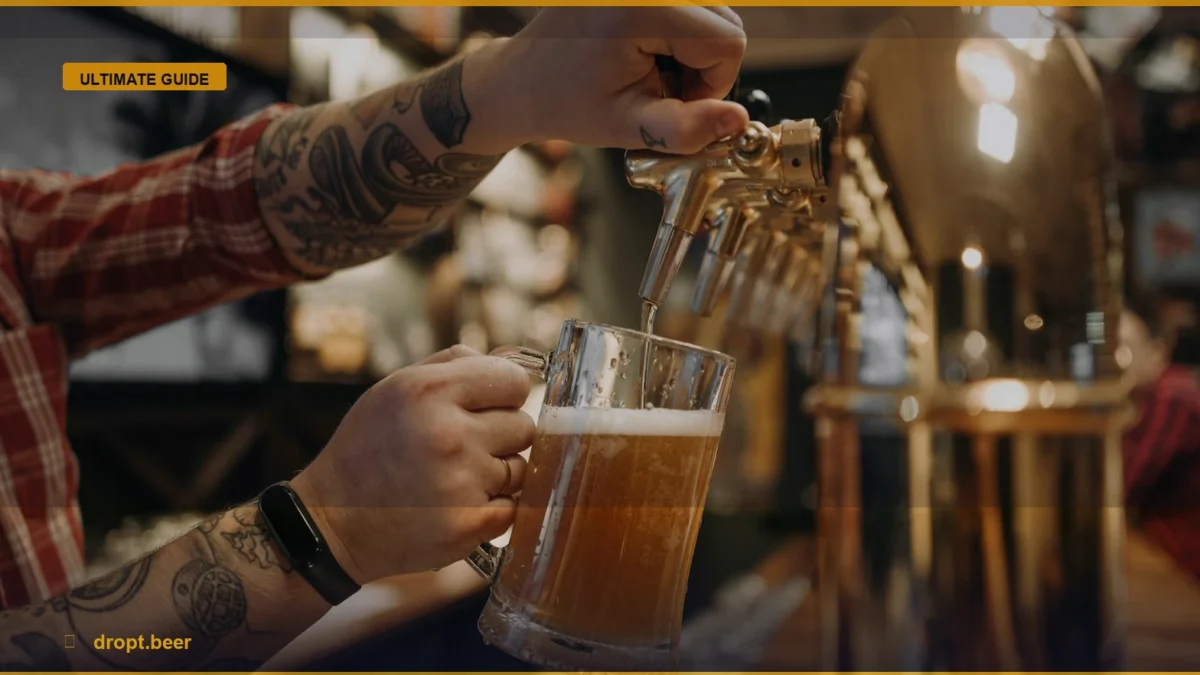
The craft beer movement, in my opinion, is one of the most exciting cultural phenomena of our time. It’s a defiant stand against homogeneity, a vibrant celebration of local ingenuity and diverse flavors. Every time I taste a truly exceptional craft beer, I’m reminded of the passion that fuels this industry. It’s about small breweries, often family-owned, focusing on better taste and traditional approaches, not just churning out enormous quantities.
The numbers don’t lie. The global craft beer market was valued at a staggering USD 86 billion in 2024 and is projected to nearly double to USD 169.17 billion by 2034, growing at a robust CAGR of 7% from 2025 to 2034. North America, in particular, has emerged as a powerhouse, holding a significant 40% market revenue share in 2024. This isn’t just economic growth; it’s cultural expansion. Craft brewers are using regional ingredients, experimenting with everything from hoppy IPAs to rich stouts and sour ales, creating unique flavor profiles that captivate drinkers worldwide.
Of course, growth isn’t always linear. We’ve seen some recent shifts, with craft production reportedly falling 5.1% in 2025, according to the Brewers Association, though it still accounts for a quarter of all beer dollars. But this doesn’t diminish the movement’s impact. It signals an evolution, a maturing market where quality and innovation remain paramount. Consumers are still seeking out those special brews, the ones that tell a story with every drop. When we talk about Which Country Makes the Best Beer? The Definitive Global Verdict, it’s often these local, artisanal producers that elevate a nation’s brewing reputation.
Spirited Choices: The Rise of Premium & Agave
Walk into any well-stocked bar today, and you’ll immediately notice it: the spirits shelf is gleaming with more premium bottles than ever before. This isn’t just about a higher price tag; it’s about a commitment to craftsmanship, flavor complexity, and a compelling brand story. The ‘less but better’ movement is alive and well in the spirits world, driving consumers to seek out higher quality experiences. A Bacardi survey from 2023 even found that 41% of U.S. drinkers aged 21-44 planned to actively seek more premium spirits in 2024, a trend that’s only deepening.
And nowhere is this more evident than with agave spirits. Tequila, once pigeonholed as a party shot, has dramatically transformed its image into a sophisticated sipping beverage. It even overtook whiskey in 2023 to become the second-most consumed spirit by value in the U.S.. Mezcal, with its smoky, complex character, is also skyrocketing in popularity. These aren’t just drinks; they’re expressions of Mexican heritage, terroir, and generations of artisanal skill. The global premium spirits market was valued at USD 253.77 billion in 2025 and is projected to reach USD 546.67 billion by 2033, growing at a CAGR of 10.3% from 2026 to 2033, showcasing this global demand for high-end options.
For those mindful of what they’re putting into their bodies, this premiumization also extends to how we mix our drinks. Clean Drinking: The Best Low-Carb Vodka Mixers for Serious Enthusiasts speaks directly to this desire for quality ingredients and balanced choices. It’s about respecting the spirit itself, allowing its true character to shine through, rather than masking it with overly sweet additions. This thoughtful approach ensures that even a simple cocktail becomes an elevated experience.
Wine’s New Chapter: Moderation and Discovery
The world of wine, historically steeped in tradition, is navigating a fascinating new chapter. While global wine consumption has seen a steady decline since 2018, hitting an estimated 208 million hectolitres in 2025 – the lowest volume since 1961 – this doesn’t spell doom for the industry. Instead, it highlights a profound shift in consumer behavior: a move towards moderation, a greater emphasis on thoughtful choices, and an eagerness to explore beyond the familiar.
Consumers, especially younger generations, are becoming more conscious of their health and well-being. This has led to a growing interest in low-alcohol wines and innovative alternatives. It’s not about abstaining entirely, but about being intentional with every pour. They’re seeking out wines that offer unique stories, sustainable practices, and expressions of specific terroirs.
Even classic categories are being re-evaluated through this lens. When we talk about Mastering Port Pairings: A Practical Guide to Serving Success, we’re not just discussing food and wine; we’re delving into the art of appreciation. It’s about understanding the nuances of a complex, high-alcohol powerhouse and finding its perfect partner. This kind of intentional pairing elevates the entire dining experience, transforming a simple meal into a memorable event. It’s a testament to the enduring power of wine to connect us to history, geography, and gastronomy, even as consumption patterns evolve.
The Cocktail Renaissance: Experience in a Glass
There was a time when a cocktail was just a drink. Now, it’s a performance, a conversation starter, a multi-sensory journey. The cocktail renaissance we’re witnessing is a beautiful symphony of global influences, innovative techniques, and a deep respect for both classic and contemporary flavors. From the bustling streets of Mexico City to the chic bars of Europe, bartenders are pushing boundaries, crafting liquid art that tells a story in every glass.
Consumers are actively seeking out these adventurous flavor experiences. We’re seeing a surge in demand for unique, fusion flavors – think chili-infused tequilas, botanical-forward gins, and savory notes that challenge traditional palates. This desire for distinctiveness isn’t confined to a single spirit; it’s a global phenomenon. It’s about more than just taste; it’s about the full sensory engagement, from the aroma to the texture, and even the visual appeal.
This pursuit of exceptional experiences extends from high-end cocktail bars to our own homes. The desire to recreate sophisticated sips is fueling interest in quality mixers, artisanal ingredients, and thoughtful preparation. This is where pieces like Stop Ruining Good Champagne: The Only Guide to Mimosas You Need become invaluable. They offer practical takeaways, guiding enthusiasts to make smarter choices that elevate even a simple brunch cocktail. And for those seeking authentic local experiences, a guide like Drink Like a Local: The Only Guide You Need to Paris Bars helps you find the true soul of a city’s drinking culture, far from the tourist traps.
The Human Element: Connecting Through the Glass
At the core of thoughtful drinking, for me, is the human element. It’s the brewer who spends years perfecting a recipe, the distiller who honors generations of tradition, the farmer whose hands cultivate the agave or grapes, and the bartender who greets you with a genuine smile. These are the people whose stories infuse every beverage with life, making each sip more meaningful.
We see this desire for connection reflected in consumer trends. There’s a growing demand for drinks that are not only delicious but also sustainably produced and ethically sourced. People want to know where their drink comes from, how it was made, and that it aligns with their values. Brands that prioritize eco-friendly practices, from recyclable packaging to reduced carbon emissions, are resonating deeply with today’s conscious consumer. This isn’t a passing fad; it’s a fundamental shift towards a more responsible and interconnected global beverage culture.
Local beverage companies are playing a particularly powerful role here. They shape consumer preferences by introducing regionally inspired drinks, unique flavors, and culturally influenced recipes, often emphasizing freshness and ingredient transparency. This openness builds trust and fosters a stronger connection between the consumer and the community. It’s about celebrating diversity, supporting local economies, and recognizing that a great drink is often the product of a passionate individual or a dedicated team.
Frequently Asked Questions
What does “thoughtful drinking” mean in today’s beverage culture?
Thoughtful drinking means approaching beverages with intention and appreciation, prioritizing quality and experience over excessive consumption. It involves understanding a drink’s origin, ingredients, and cultural significance. This trend emphasizes mindful choices, seeking out authentic, sustainably produced options, and savoring the sensory journey. It’s about making deliberate decisions that align with personal values and contribute to a richer, more connected drinking experience.
How are current consumer trends impacting the craft beer market?
Consumer trends are shaping the craft beer market by driving demand for unique flavors, local ingredients, and innovative brewing techniques. While the market is growing globally, reaching an estimated USD 86 billion in 2024, there’s also a focus on community support and authenticity. Drinkers are increasingly interested in the stories behind the brews and the values of the breweries, pushing the industry towards more diverse, high-quality, and experience-driven offerings, even amidst some production declines in certain regions.
Is the decline in global wine consumption a major concern for the industry?
While global wine consumption has indeed been declining, reaching its lowest point in decades in 2025, it’s prompting a re-evaluation rather than outright panic. The industry is adapting to structural shifts, changing consumer behavior, and economic pressures. This includes a growing interest in low-alcohol options and a greater emphasis on quality, provenance, and mindful consumption. Producers are focusing on innovation and sustainability to meet evolving preferences, particularly among younger generations who seek new experiences and healthier choices.
What role does “premiumization” play in the spirits market today?
Premiumization is a dominant force in the spirits market, meaning consumers are increasingly willing to pay more for higher quality products. This trend, expected to continue through 2025 and beyond, is driven by a desire for superior craftsmanship, complex flavors, and compelling brand stories. It’s about drinking ‘less but better.’ Categories like tequila and mezcal are seeing significant growth in their ultra-premium segments, as drinkers seek authentic experiences and spirits that offer a deeper connection to their origins and production methods.
How are sustainability and local sourcing influencing beverage choices?
Sustainability and local sourcing are becoming critical drivers of beverage choices. Consumers are increasingly prioritizing brands that demonstrate eco-friendly practices, from sustainable packaging to reduced carbon emissions and ethical sourcing. Local beverage companies, in particular, are gaining traction by highlighting freshness, ingredient transparency, and community identity. This reflects a broader shift towards conscious consumption, where drinkers seek products that align with their values and contribute positively to both the environment and local economies.
Was this article helpful?