Quick Answer
Avoid the “heritage-themed” traps in the CBD and head to the inner-north or inner-west for a genuine experience. A true Melbourne pub is defined by cellar hygiene, rotating independent taps, and a staff that knows their regulars by name.
- Check the glassware: if it’s spotty or warm, leave immediately.
- Look for independent Victorian craft taps rather than just mass-produced lagers.
- Seek out venues where the ‘locals’ occupy the bar stools—that’s your seal of quality.
Editor’s Note — Priya Nair, Features Editor:
I firmly believe that the “heritage pub” label has become a marketing shield for mediocrity. In my years covering the industry, I have seen too many beautiful Victorian facades hiding neglected beer lines and stale, overpriced kegs. What most people miss is that the soul of a pub isn’t in the bricks; it’s in the maintenance of the liquid. Sam Elliott is the only person I trust to navigate this, because he spends more time behind the tap than anyone I know. Stop chasing Instagrammable aesthetics and start chasing a perfect, clean pour by following Sam’s lead.
The smell hits you before you even push the heavy, brass-handled door. It’s a specific, ghosts-of-yesterday cocktail: floor wax, stale hops, and the faint, unmistakable tang of a keg room that’s been kept at a precise four degrees Celsius. You aren’t in a museum. You’re in a living, breathing machine designed to deliver a cold pint to your hand as efficiently as possible. That is the sound of a tap handle snapping back—a sharp, mechanical click that beats any curated playlist.
Melbourne’s pub culture isn’t a museum piece. It’s a battleground between corporate shells masquerading as “traditional” taverns and the few remaining institutions that actually care about what’s in your glass. If you’re here to drink, you need to stop looking at the architecture and start looking at the cellar. A pretty facade won’t save a pint that tastes like metallic yeast or, worse, negligence. I’m here to tell you exactly how to spot the difference between a place that respects the craft and a place that just wants your twenty-dollar note.
The Myth of the ‘Historic’ Pint
You’ll read guides suggesting you walk into any corner pub with a tiled exterior because it’s “authentic.” Don’t do it. The BJCP guidelines define a pub as a community hub, yet many of these heritage-listed buildings have been gutted and turned into sterile, high-traffic traps for tourists. They trade on the nostalgia of the Victorian era while serving beer that hasn’t seen a fresh line clean in weeks. It’s a tragedy, really. You’re paying for the privilege of sitting in a room that looks like 1920, while drinking beer that tastes like 2010.
True hospitality is consistent. According to the Oxford Companion to Beer, the quality of a pub is intrinsically linked to its role as a social anchor. If the staff is more interested in their phone than your order, the vibe is dead. A real pub has a rhythm. You should see a mix of demographics—not just the hipster crowd or the suits from the office block. If you walk into a place and feel like an intruder, that’s not a pub. That’s just a bar with a high rent.
The Anatomy of a Clean Pour
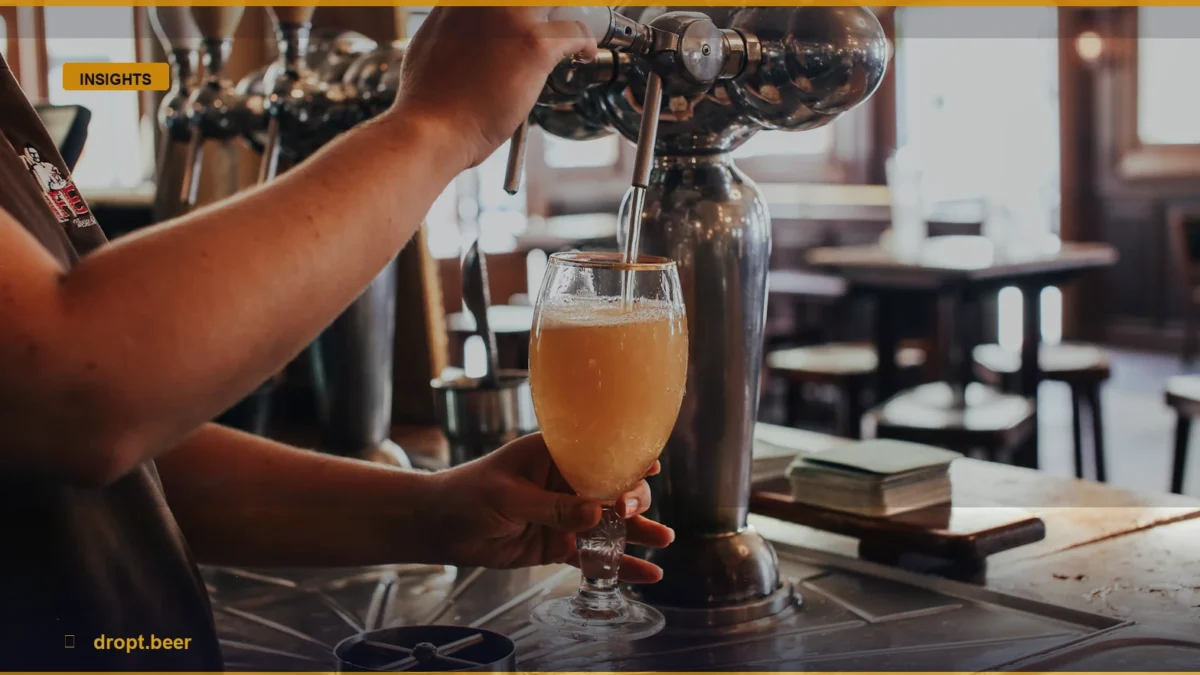
When you approach the bar, your eyes should be doing the heavy lifting. Look at the glassware. Is it sparkling clean? Are there bubbles clinging to the sides of the glass? If the answer is yes, walk away. Those bubbles are signs of a dirty glass, which kills the carbonation and ruins the aromatics of your beer. You want a glass that’s been rinsed in a professional-grade spray—not just a quick dunk in a sink of grey water.
Look at the beer lines. Are the tap handles dusty? A dusty handle is a dead giveaway that the tap isn’t moving enough volume. According to the Brewers Association’s data on draft quality, freshness is the single biggest factor in consumer satisfaction. If the tap list is massive, the beer isn’t fresh. It’s that simple. You want a pub with a curated, rotating list of Victorian independent craft—breweries like Deeds, Range, or Hop Nation. If the taps are all owned by the two big multinationals, you’re not drinking in a pub. You’re drinking in a billboard.
Finding the ‘Locals’ Corner
Every great Melbourne pub has a “locals’ corner.” It’s the set of stools where the same people sit at the same time, usually complaining about the footy or the weather. This is your barometer for quality. If the staff knows these people’s orders before they reach the bar, you’ve found a winner. It means the management is stable, the staff is treated well, and the beer is being turned over constantly. High staff turnover is the death of a pub. If you don’t recognize a single face behind the bar from your last visit, that’s a red flag.
The food program is your final check. You don’t need a white tablecloth. You need a kitchen that understands that a parma is a sacred object. If the kitchen is sourcing fresh breast fillets and local produce, the bar is almost certainly sourcing fresh kegs. It’s about integrity. A venue that cares about the quality of the beef in their burger is a venue that cares about the temperature of their lager. Pay attention to the details, and you’ll never find yourself nursing a stale pint again. Check out the local icons, keep your expectations high, and keep reading dropt.beer for the real story behind the tap.
Frequently Asked Questions
How can I tell if a pub is actually independent?
Look at the tap handles. If every single handle is a massive, mass-produced corporate lager, it’s not an independent pub. A true independent venue will feature a rotating list of local, smaller-batch breweries. If you see tap badges from breweries you’ve never heard of, that’s a great sign—it means the pub is actively seeking out fresh, local products rather than just taking what a big distributor offers them.
Does a historic building actually affect the beer quality?
Not at all. In fact, historic buildings often have problematic cellars with poor insulation or ancient, hard-to-clean plumbing. The building’s age is purely aesthetic. The only thing that affects your beer is the current management’s commitment to line cleaning and temperature control. Don’t let a nice facade distract you from a bad pint.