Quick Answer
Yes, whiskey and lemonade is a legitimate, sophisticated highball that succeeds when you balance the spirit’s oaky backbone against house-made citrus acidity. The superior choice is a high-rye bourbon or a punchy rye whiskey, mixed at a strict 1:2 ratio to keep the spirit present.
- Use fresh-squeezed juice and simple syrup instead of store-bought mixers.
- Stick to a 2:1 lemonade-to-whiskey ratio to maintain structural integrity.
- Avoid heavily peated Scotches, which clash violently with lemon’s brightness.
Editor’s Note — Fiona MacAllister, Editorial Director:
I’m of the firm view that the “whiskey is for sipping, not mixing” snobbery is a relic of a dying era. A well-constructed highball requires as much precision as a vintage pour; if you aren’t treating your mixer with the same respect as your spirit, you’re wasting both. Ryan O’Brien’s research into the structural chemistry of acidity and oak is exceptional—he understands that a drink is defined by its balance, not its price tag. What most people miss is that the quality of your ice is just as vital as the quality of your bourbon. Go buy a bag of clear, large-format ice before you pour your next glass.
The Geometry of the Glass
The sound of ice cubes shifting against thin glass is the definitive soundtrack of a humid afternoon. You’ve got a tall, chilled Collins glass, a condensation-slicked exterior, and a drink that promises to cut through the oppressive heat without sacrificing the character of the spirit. It’s a simple proposition, yet it’s one that’s frequently botched by poor ratios and syrupy, artificial mixers.
Let’s be clear: whiskey and lemonade isn’t a “guilty pleasure” or a shortcut for people who don’t like the taste of alcohol. When treated with the same reverence as a classic sour, it functions as a remarkably sophisticated highball. It is a study in tension. You are balancing the tannic, charred-oak depth of a grain spirit against the sharp, clean bite of citric acid. If you get the proportions right, you aren’t masking the whiskey; you are framing it.
Why Your Mixer Matters
If you’re reaching for a neon-yellow bottle of pre-made lemonade, stop. Those products are designed for children, packed with high-fructose corn syrup that coats your palate in a film of artificial sweetness. This sugar-heavy cloyingness is the enemy of the whiskey, effectively burying the subtle vanilla and toasted nut notes that a half-decent bourbon brings to the table.
According to the Oxford Companion to Beer—which, while focused on fermentation, remains a gold standard for understanding flavor profiles—balance is the primary objective of any mixed drink. In the context of a highball, that balance relies on the structural integrity of your ingredients. You need to create a house-made lemonade. Combine fresh-squeezed lemon juice with simple syrup and filtered water. This creates an acid-forward base that provides the necessary lift to the whiskey’s heavier, wood-derived flavors. You want the lemonade to act as a catalyst, not a mask.
The Case for Rye
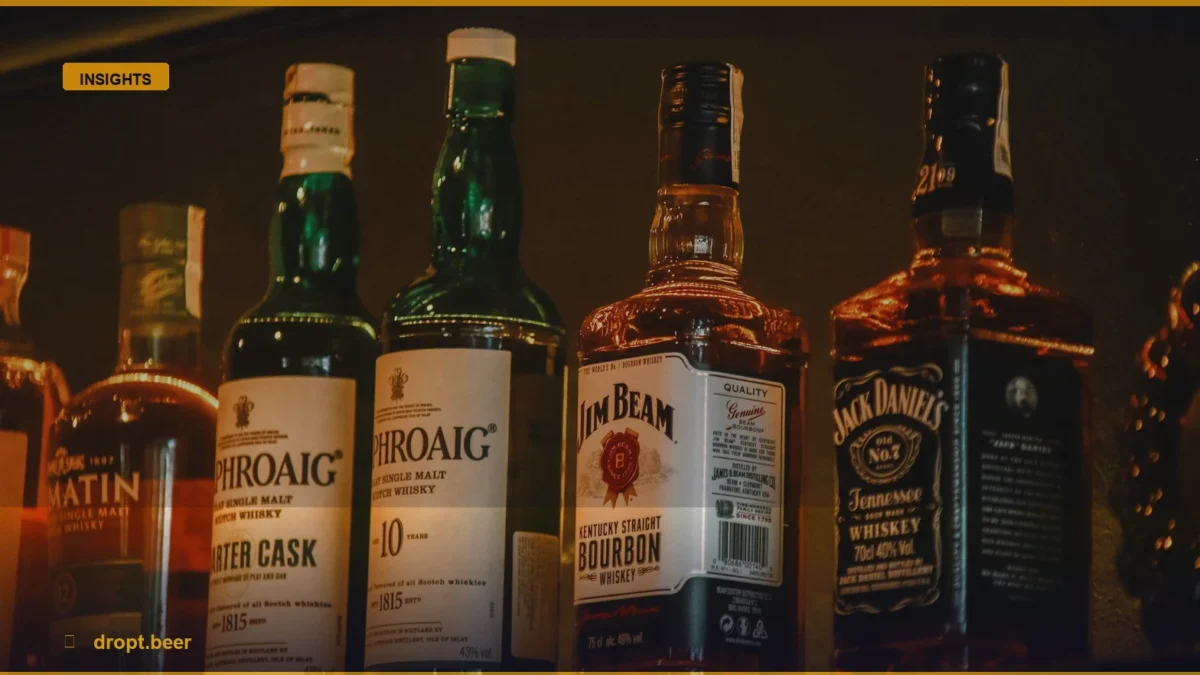
Most drinkers default to bourbon because it’s the path of least resistance. The vanilla and caramel notes of a standard Kentucky straight bourbon do play nicely with lemon, creating a familiar, tea-like profile. But if you want a drink that keeps you engaged, you should be pouring rye.
The BJCP guidelines for whiskey styles emphasize the spicy, assertive nature of rye grain. That peppery bite is exactly what you need to stand up to the acidity of the lemon. While bourbon can sometimes get lost in the shuffle, a decent rye cuts through the citrus, offering a complex, herbaceous finish that lingers rather than disappearing. If you want a more “grown-up” expression of this highball, reach for a rye with a high mash bill. It changes the conversation from “sweet drink” to “structured cocktail.”
The Physics of the Pour
The most common error is the ratio. Many home bartenders treat this as a “splash of whiskey” situation, resulting in a glass of spiked lemonade that loses the spirit entirely. You aren’t making punch; you’re making a highball. You need to aim for a two-to-one ratio—two parts lemonade to one part whiskey.
This ratio isn’t arbitrary. It ensures that the spirit provides the foundational body of the drink. Fill your glass to the brim with ice before you add anything else. The ice is an ingredient, not an afterthought. It provides the dilution necessary to bring the flavors together. As the ice melts, it tempers the alcohol, keeping the drink bright and cold until the very last drop. If you start with a warm glass or skimpy ice, the drink will fall apart within minutes, becoming a tepid, watery mess. Don’t be that person.
What to Avoid
Keep your Islay malts and heavily peated whiskies away from the lemonade. I’ve seen people try to get clever with it, but the clash of smoke, brine, and lemon is jarring. It’s like pouring a glass of seawater over a lemon tart. It’s a waste of a good bottle and a waste of perfectly good lemons. Stick to the American whiskies or a smooth, unpeated Irish blend. The goal is refreshment, not an exercise in sensory overload.
If you want to refine this further, consider a garnish. A dehydrated lemon wheel or a fresh sprig of mint provides an aromatic component that greets your nose before the drink even hits your lips. It’s a small, actionable step that elevates the experience from a drink on the porch to a deliberate act of hospitality. If you’re looking to sharpen your palate further, stay tuned to dropt.beer, where we continue to break down the science of the drink.
Your Next Move
Ditch the store-bought mix and commit to a fresh, custom-built lemonade base this weekend.
- Immediate — do today: Squeeze four fresh lemons and make a 1:1 simple syrup; keep them separate in your fridge until you’re ready to mix.
- This week: Buy a bottle of mid-range rye (e.g., Rittenhouse or Michter’s) to compare against your usual bourbon in this highball.
- Ongoing habit: Always use large-cube ice; it dilutes significantly slower than standard freezer ice, preserving the integrity of your cocktail.
Frequently Asked Questions
Does the quality of the whiskey actually matter in a mixed drink?
Absolutely. While you don’t need a top-shelf bottle, avoid bottom-shelf whiskies. Cheap, harsh spirits contain aggressive grain notes and impurities that become more pronounced when mixed with acidic fruit juice. A mid-range, reputable bottle provides the necessary depth to stand up to the lemon without turning the drink into a headache-inducing, metallic experience.
Can I use Scotch for a whiskey lemonade?
You can, but stick to blended Scotch or unpeated expressions. Avoid anything with a strong, peated, or smoky character, as these flavors clash horribly with the brightness of the lemon. Irish whiskey is often a superior choice if you want to move away from American styles, as its naturally smooth, lighter profile works beautifully with citrus.
What is the perfect ratio for a whiskey lemonade?
The gold standard is a two-to-one ratio: two parts lemonade to one part whiskey. This ensures the spirit remains the primary feature of the drink rather than being relegated to a background note. Always start with a glass filled completely with ice to ensure proper dilution and a consistently chilled temperature throughout the life of the drink.