Quick Answer
Today’s drinking culture is rapidly evolving, moving beyond simple indulgence to embrace mindful consumption, quality over quantity, and a growing interest in premium and no/low-alcohol spirits. Consumers, particularly younger generations, are increasingly prioritizing health and wellness, leading to a demand for well-crafted beverages, transparent sourcing, and a deeper understanding of what they’re drinking. This shift encourages a more intentional approach to spirits, from appreciating complex flavors to making informed choices about metabolism, ingredients, and social settings.
There’s a particular aroma that often greets me when I step into a new distillery or a particularly well-curated bar—a subtle dance of oak, grain, and something wonderfully indefinable, a hint of history and promise. It’s a scent that has always told me I’m in a place where passion meets precision, where the act of drinking is more than just consumption; it’s an experience, a craft. For years, I’ve watched the world of spirits change, sometimes subtly, sometimes dramatically, but what’s truly captivating right now is this profound shift towards intention. It’s my strong view that we’re living through a golden age of thoughtful drinking.
No longer are we simply chasing a buzz, nor are we content with sugary concoctions designed to mask rather than reveal. The conversation has matured. People are asking deeper questions: What am I drinking? Where does it come from? How does it affect me? This isn’t just a fleeting trend; it’s a cultural realignment. We’re seeing consumers, especially the younger legal-drinking-age generations, embrace a “flexi-sober” lifestyle, opting for quality and experience over sheer volume. This is why understanding the nuances of mindful spirit consumption matters now more than ever.
The numbers don’t lie. The global premium spirit market, for instance, was valued at an impressive USD 232.84 billion in 2024 and is projected to surge to USD 562.65 billion by 2033, growing at a compound annual growth rate (CAGR) of 10.3%. This isn’t just about price tags; it’s about a discerning palate, a desire for authenticity, and a willingness to invest in something truly exceptional. Millennials, in particular, are driving this, consistently seeking out diverse, high-end alcoholic beverages. It’s a clear signal: we’re drinking less, but we’re drinking better. In fact, a 2024 survey showed that a majority of consumers would choose two high-quality or premium drinks over more lower-quality options. That’s a position I can certainly get behind.
The Illusion of ‘Clean’ Drinking: Beyond the Myths
For a long time, I’ve heard people whisper about ‘cleaner’ spirits, particularly vodka. The idea that a clear spirit somehow bypasses the metabolic mayhem of its darker cousins is a persistent myth, but it’s one we absolutely need to put to rest. The truth is, alcohol is alcohol, regardless of its colour or how many times it’s distilled. Your body processes it in much the same way, and the ‘cleaner’ perception often leads to overconsumption, which, ironically, can result in a far worse outcome. Our article, The Truth About Vodka: Metabolism, Myths, and Drinking Smarter, delves into the science behind this, explaining why vodka is just as potent as any other spirit.
But it’s not just vodka myths we need to challenge. The pervasive presence of overly sugary drinks in our culture is a genuine concern. Think about those neon-coloured cocktails, brimming with artificial sweeteners and syrupy mixers. They might taste appealing initially, but they often mask the true character of the spirit and, more importantly, can have significant health implications. Sugary drinks, we know, significantly raise the risk of cardiovascular disease. And while artificial sweeteners might seem like a simple solution, the science is still out on their long-term effects. Some studies have linked them to increased risks of obesity, type 2 diabetes, and cardiovascular disease, though more research is certainly needed. It’s a tricky balance, but one where mindfulness truly comes into play.
The Art of the Sip: Quality Over Quantity
Having tasted hundreds of these, I’ve always held that the real magic in spirits lies not in how much you drink, but in how deeply you experience it. This is where the “quality over quantity” mantra truly shines. It’s about savouring the craftsmanship, the history, the very essence of the liquid in your glass. Whether you’re a seasoned connoisseur or a curious beginner, understanding the distinctions between spirits elevates the entire experience. Take whiskey, cognac, and brandy, for example. Each has its own story, its own production methods, and a distinct flavour profile that speaks volumes about its origins and aging process.
Our guide, Whiskey vs Cognac vs Brandy: Which Spirit Wins Your Palate?, breaks down these differences, encouraging you to explore the nuances that make each spirit unique. This isn’t about snobbery; it’s about appreciation. When you choose a well-made spirit, you’re not just buying a drink; you’re investing in a moment, a conversation, a connection to the distiller’s art. This shift towards premiumization is being driven by consumers who prioritize authenticity, exclusivity, and sustainability. It’s a move that I believe enriches our drinking culture immensely.
Beyond the Buzz: Understanding Your Body and Your Drink
Mindful drinking extends beyond just taste; it’s about understanding your body’s relationship with alcohol. This includes everything from metabolism to managing hangovers. We’ve all been there—that morning-after regret that makes you question your choices. The truth is, how your body processes alcohol is a complex dance of genetics, hydration, and what you’ve eaten. There’s no magic bullet, but making informed decisions can certainly help. For instance, avoiding sugary mixers can lessen the severity of a hangover, not just because of the sugar itself, but because it often leads to faster consumption.
It’s also worth considering the broader health conversation around alcohol. While older studies sometimes highlighted potential benefits of moderate drinking, newer research presents a more nuanced picture. A 2024 study in JAMA Network Open, for instance, suggested that even moderate alcohol intake could be associated with a higher death rate in older adults, particularly from cancer and cardiovascular disease. However, other reports, like one from the International Scientific Forum on Alcohol Research (ISFAR) in 2024, still suggest that regular, moderate alcohol consumption (not heavy episodic drinking) is associated with lower risks of all-cause mortality, vascular diseases, and diabetes. The key, as always, seems to be genuine moderation and avoiding binge drinking. It’s a personal calculation, and one that requires honest self-assessment.
The Social Fabric of Spirits: Choosing Your Scene Wisely
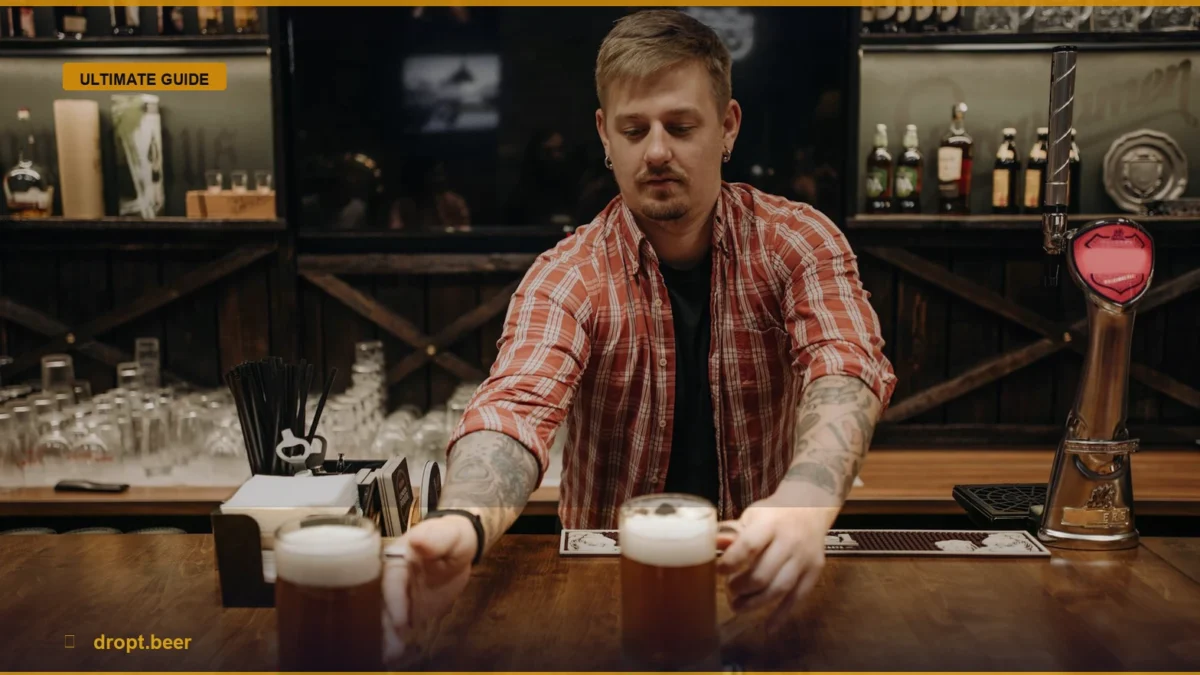
Where you drink matters just as much as what you drink. The atmosphere, the company, the quality of the service—these all contribute to the overall experience. I’ve spent countless hours in pubs and bars around the world, and I can tell you, the difference between a truly great establishment and a mediocre one is palpable. A knowledgeable bartender, a thoughtfully curated spirits list, and a vibe that encourages conversation rather than just consumption are all hallmarks of a place that understands the art of drinking. This is especially true when you’re looking for genuine connections and memorable moments.
For those of us who appreciate a proper pub, finding the right spot can be a quest. My guide, Finding the Best Bars in Glasgow: A Local’s Guide to Real Pubs, is a perfect example of how to seek out those authentic experiences, whether you’re in a new city or just exploring your own backyard. It’s about seeking out the human stories, the local characters, and the places that celebrate beverage culture in all its diversity. Because, let’s be honest, a good drink is always better in good company, in a place that feels right.
Cultivating a Palate: From Shots to Cocktails
This evolving drinking culture also means a refinement of how we approach different drinking formats. Shots, for instance, have often been associated with quick, thoughtless consumption. But why can’t a shot be an appreciation of a fine spirit? It absolutely can be. Forget the sickly sweet, artificially coloured concoctions. If you’re going to take a shot, make it count. Choose a high-quality spirit, appreciate its character, and understand its strength. Our article, Stop Chasing Sugar: The Real Guide to Taking Shots Properly, champions this approach, advocating for quality over sugar-laden speed.
The same philosophy applies to cocktails. The era of overly sweet, unbalanced drinks is thankfully (mostly) behind us. Today, the best bartenders are alchemists, balancing flavours, textures, and aromas to create something truly special. They understand that a sweet cocktail doesn’t have to be a sugar bomb; it can be elegant, complex, and utterly delightful. It’s about using fresh ingredients, understanding the role of each component, and creating harmony in the glass. If you’re tired of cloyingly sweet drinks, our piece, Stop Ordering Sugary Slop: How to Drink Sweet Cocktails Properly, offers practical takeaways for identifying and ordering truly balanced sweet cocktails.
This mindful approach is gaining significant traction globally. More than two-thirds (70%) of consumers were proactively trying to lead a healthy lifestyle in 2024, contributing to the rise of low- and no-alcohol options. The no/low alcohol market is projected to grow by 55.7% in retail value between 2024 and 2029. This isn’t about prohibition; it’s about informed choice and expanding the repertoire of what a “drink” can be. It’s a beautiful thing, seeing the industry respond with innovative, high-quality alternatives that cater to this evolving palate.
Frequently Asked Questions
What does “mindful drinking” actually mean?
Mindful drinking is about approaching alcohol consumption with intention and awareness. It involves paying attention to why, what, and how much you’re drinking, and how it makes you feel. This often leads to choosing higher-quality spirits, savoring flavours, and being more conscious of the health impacts, rather than just drinking out of habit or for intoxication. It’s a personal journey towards a more balanced relationship with alcohol.
Why are premium spirits becoming so popular now?
The rise of premium spirits is driven by several factors, including increased consumer disposable income and a growing desire for quality over quantity. Younger generations, particularly millennials, are seeking authentic, well-crafted products with transparent sourcing and unique stories. They’re willing to pay more for an elevated experience, valuing the craftsmanship, distinct flavours, and often, the sustainable practices behind high-end brands. This trend reflects a broader shift towards thoughtful consumption.
Are no-alcohol and low-alcohol (NoLo) options just a fad?
NoLo options are far from a fad; they represent a significant and sustained shift in drinking culture. Driven by a growing global focus on health and wellness, and particularly popular among Gen Z and millennials, these beverages offer the social experience of drinking without the full alcoholic content. The retail value sales of NoLo drinks are projected to grow significantly, indicating a permanent change in consumer behaviour towards a more “flexi-sober” lifestyle. Innovation in this sector is continually improving taste and variety.
How can I identify a truly good cocktail versus a sugary one?
Identifying a good cocktail comes down to balance and fresh ingredients. A well-crafted cocktail should highlight the spirit, with other components complementing it, not overwhelming it. Look for bars that use fresh juices, house-made syrups, and quality spirits. Avoid cocktails with artificial colours or those that are excessively sweet, indicating an over-reliance on cheap mixers. A good bartender can also guide you, describing the flavour profile and balance of their creations before you order.
What are the current Australian guidelines for alcohol consumption?
The Australian National Health and Medical Research Council (NHMRC) advises healthy adults to drink no more than 10 standard drinks per week and no more than 4 standard drinks on any one day to reduce the risk of harm. It’s important to note that “standard drink” sizes vary by alcohol type and percentage. These guidelines emphasize that the less you drink, the lower your risk of harm, encouraging a cautious and mindful approach to consumption.
Was this article helpful?