Quick Answer
For the definitive Melbourne craft beer experience, skip the tourist traps and head straight to The Local Taphouse in St Kilda or Moon Dog World for pure scale and variety. These venues prioritize high tap turnover and staff expertise, ensuring you never drink a stale pint.
- Check the brewery’s social media for “freshness dates” or recent keg swaps.
- Prioritize venues that host dedicated brewer meet-and-greets.
- Avoid any venue where the tap list remains unchanged for more than a fortnight.
Editor’s Note — Fiona MacAllister, Editorial Director:
I’m of the firm view that a pub without a rotating tap list is just a glorified waiting room for a mediocre lager. In my years covering the global spirits and brewing trade, I’ve learned that the life of a beer is short; if a venue isn’t moving kegs, you’re drinking history, and not the good kind. Sam Elliott’s research into the Melbourne scene is exceptional because he ignores the glossy marketing and focuses on the mechanics of the pour. What most people miss is that the cellar is the soul of the pub. Go find a venue that cleans their lines weekly and stay there.
The Sound of a Proper Pour
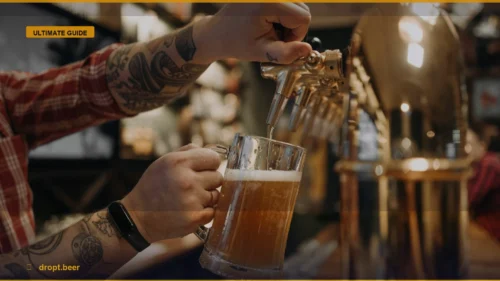
The air in a real Melbourne pub doesn’t smell like floor cleaner or desperation. It smells like slightly damp coasters, the faint, sweet tang of malt dust, and that unmistakable, sharp citrus hit of a fresh Galaxy-hopped Pale Ale being pulled from the tap. You hear it before you see it—the rhythmic hiss of the gas, the clink of a heavy glass against the drip tray, and the low-frequency chatter of people who actually care about what’s in their hands. This is the heartbeat of the city’s drinking culture. It isn’t found in the polished hotel lobbies or the neon-drenched clubs; it’s hidden in the corners of historic brick buildings and repurposed warehouses where the beer list is treated with more reverence than the wine cellar.
If you’re walking into a Melbourne pub and the tap list looks identical to the one you saw at the airport, turn around. You’re in the wrong place. The strength of this city lies in its independent spirit, and the best beer venues are the ones that treat their tap list like a living document—constantly evolving, occasionally challenging, and always curated. A true Melbourne pub isn’t just a place to get a drink; it’s a classroom for your palate.
Defining the Melbourne Standard
Let’s clear the air: not every place with a “craft” sign in the window deserves your time or your wallet. The BJCP (Beer Judge Certification Program) guidelines emphasize the importance of freshness and proper serving temperatures, yet so many city venues let their kegs languish until they’re practically oxidized vinegar. You need to look for high volume and high standards. If the staff can’t tell you the brewery of the week or why they’ve chosen a specific IPA for the guest tap, you’re in a retail space, not a beer pub.
According to the Brewers Association’s data on independent craft beer, the relationship between the local producer and the hospitality venue is the single biggest factor in quality. When a pub works directly with local legends like Mountain Goat or smaller, hyper-local outfits, they get the freshest beer. They also get the knowledge. When you sit at the bar, ask the bartender what they’re drinking. If they point to a mass-market macro-lager, you’ve got your answer.
The Anatomy of a Perfect Tap List
A balanced list should tell a story. It should start with a clean, crisp Lager or Pilsner—the litmus test for any venue’s line maintenance. If they can’t pour a clean, bright Pilsner, there’s no point in ordering the complicated stuff. From there, you want to see a progression. A sessionable Pale Ale or XPA is mandatory for the Melbourne climate. You’ll want something hop-forward, perhaps a West Coast IPA that bites back, followed by a nod to the darker side of brewing.
Look for the depth. A well-curated pub will feature a porter or a stout, even in the middle of a scorching summer, because they know that true beer lovers drink for flavor, not just temperature. If you see a Sour or a Wild Ale on the menu, that’s a sign of a venue that isn’t afraid to take risks. These styles are finicky, requiring care in storage and serving. A pub that stocks them is a pub that knows how to handle its inventory.
Avoiding the Common Traps
The biggest mistake you’ll make is assuming that the busiest spot is the best one. Foot traffic is often a sign of a good location, not good beer. I’ve spent many nights in crowded CBD bars where the beer tasted like it had been sitting in the lines since the previous administration. Don’t be fooled by the decor. A chalkboard menu with fancy fonts doesn’t mean the beer is fresh. Check the dates if you can, or better yet, watch the pour. If the foam looks thin and lifeless, or if the bartender rushes the head, keep your money in your pocket.
Another pitfall is the “exclusive” trap. Some venues pride themselves on having “only” certain beers. Usually, this just means they’ve signed a restrictive contract that limits their ability to bring in the exciting, small-batch stuff that makes Melbourne great. Seek out the venues that celebrate variety, not the ones that act like a corporate outpost.
Your Roadmap to Better Drinking
If you’re going to do one thing, start by following the independent breweries you love on social media. They’ll tell you exactly where their latest kegs are landing. When you find a venue that consistently stocks the good stuff, be a regular. Get to know the staff. Once you’ve established a rapport, they’ll start telling you about the rare, off-menu pours before anyone else hears about them. That’s how you unlock the real city scene. It’s not about finding the one “best” pub; it’s about finding the one that treats your beer with the respect it deserves. Keep checking dropt.beer for our updated lists as we continue to track the city’s best lines.
Frequently Asked Questions
How can I tell if a beer line is clean?
A clean line produces a beer with a bright, true color and a consistent, creamy head. If your beer tastes sour, buttery, or metallic, the lines are likely dirty or the beer is oxidized. A quality venue will have a regular maintenance schedule and won’t hesitate to show you their cleaning log.
Does a larger tap list mean a better pub?
Not necessarily. A massive list can often lead to slower turnover, which means older beer. A tightly curated list of 8-12 taps that rotates frequently is almost always superior to a list of 40 that stays the same for months. Quality and freshness beat quantity every single time.
Are CBD pubs more expensive than suburban ones?
Generally, yes. You are paying a premium for the location and the overhead of city real estate. However, the best CBD pubs justify this cost through superior selection and atmosphere. If you’re paying city prices for a generic mainstream beer, you’re being overcharged. Only pay the premium for craft beer that is hard to find elsewhere.
Should I ask the bartender for recommendations?
Always. It’s the fastest way to gauge the quality of the venue. A great bartender knows the current inventory intimately and can guide you based on your personal taste preferences. If they can’t offer a thoughtful suggestion, it’s a red flag that they aren’t engaged with the product they are serving.