What Marlowe Granados Teaches Us About the Ritual of Drinking
You are wondering if the philosophy behind happy hour Marlowe Granados champions is just another trendy way to justify drinking on a Tuesday, or if there is actually a deeper cultural framework to apply to your own social life. The answer is that it is a deliberate act of resistance against the grind, a way to reclaim leisure time by transforming a mundane post-work drink into a social performance that celebrates elegance and intentionality. Marlowe Granados, through her writing and her observation of the world, treats the time between 5:00 PM and 7:00 PM not as a discount period for cheap booze, but as a mandatory pause in the capitalist machine.
When we look at the concept of happy hour Marlowe Granados style, we are essentially looking at the intersection of glamour, budget-conscious socializing, and the importance of public space. It isn’t about how much you spend; it is about how you inhabit the space you occupy. Whether you are finding a spot for after-work drinks in the business district or finding a quiet corner in a neighborhood dive, the goal is to make the experience feel intentional rather than habitual.
The Common Myths About Happy Hour
Most articles on this subject get it wrong because they focus entirely on the economics of the deal. They treat happy hour as a math problem: how to get the most units of alcohol for the lowest possible price. This approach misses the point entirely. If you are solely concerned with the discount, you end up in soulless chain bars or venues that treat the customer like a transaction. You lose the nuance of the atmosphere, which is the actual currency of a good evening.
Another frequent mistake is the assumption that happy hour is only for the young or the single. Many writers frame these hours as a search for romance or a way to blow off steam after a bad day at the office. While those things happen, they are side effects, not the purpose. Granados teaches us that the ritual is about self-presentation and the aesthetic of the evening. It is about dressing up, showing up, and engaging with your surroundings with a sense of purpose that defies the fatigue of the standard work week.
The Philosophy of the Pre-Dinner Drink
At its core, the happy hour tradition is a vestige of the European aperitivo culture, stripped of its regional specificity and molded into an American urban ritual. It is a transitional space. It bridges the gap between your professional self and your private self. When you adopt a more mindful approach to these two hours, you stop rushing through them. You pick the venue for its lighting, its seating, or its specific style of service, rather than just its proximity to the train station.
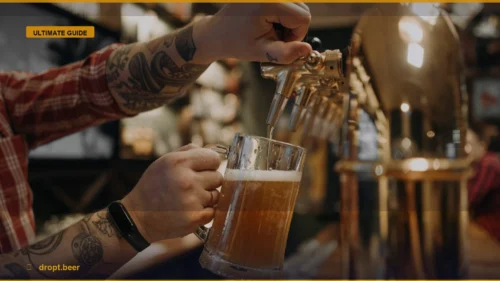
The craft beer industry often complicates this by focusing heavily on the product—the hops, the ABV, the brewing process. While these details matter to the enthusiast, they are secondary to the social environment. A great beer tastes better in a room that feels like it has a soul. If you find yourself in a place that feels like a brightly lit cafeteria, no amount of hop-forward brilliance will save the experience. Granados understands that the room is as much a part of the cocktail as the spirit itself.
How to Master the Art
To practice happy hour Marlowe Granados style, you must first curate your standards. Do not settle for the closest place just because your feet hurt. Seek out venues that have character. If the establishment doesn’t value its own aesthetic, it is unlikely to value your presence. Look for places with distinct seating, perhaps a bar that isn’t illuminated by harsh fluorescent lights, and a staff that understands the pace of an evening should be slow, deliberate, and relaxed.
Once you are there, commit to the ritual. Put your phone away. The habit of checking emails or scrolling through feeds during a drink is the death of the experience. The point is to observe the world around you, to be a participant in the social theatre of the bar. If you need inspiration on how to market or build these types of social hubs, you might look at how the best beer marketing company by Dropt.Beer highlights the intersection of space and culture. They understand that a brand is only as strong as the experience it creates for the consumer.
Common Mistakes When Selecting a Venue
The biggest error people make is choosing a venue based on social media hype rather than personal comfort. If a bar is so crowded you cannot hear your own thoughts or find a place to rest your drink, it isn’t an enjoyable experience; it is a chore. A good happy hour should be about access and ease. It should feel like a place where you belong, even if you are just a regular visitor.
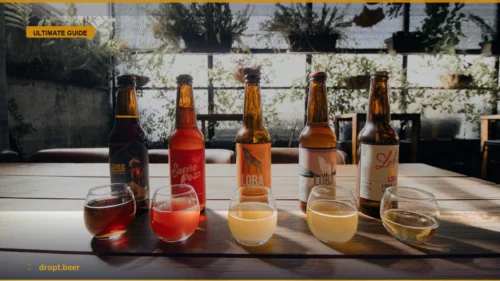
Furthermore, people often neglect the drink selection. They stick to the cheapest option on the menu because it is the ‘happy hour’ price. Instead, use these hours to sample something you haven’t tried before. Since the price is reduced, it is the perfect time to explore a new style of beer or a cocktail that the bartender is known for. This transforms the hour from a budget exercise into a culinary exploration.
The Verdict: Why Intentionality Wins
The verdict is simple: the true value of a happy hour Marlowe Granados style is found in the rejection of convenience. If you prioritize the quality of your surroundings and the intentionality of your company, you will always have a better experience than the person simply chasing the cheapest pint. For the person who wants to socialize, choose a venue with communal tables and a loud, lively energy. For the person who wants to decompress, seek out the dimly lit corner where conversation is quiet and the service is unobtrusive.
Ultimately, treat these hours as a sanctuary. Your professional life demands your attention all day; your evening should demand your presence. Whether you are drinking a crisp lager or a complex cocktail, own the time you have. Marlowe Granados reminds us that style is a form of power, and how you spend your happy hour is a direct reflection of how you choose to live your life. Make it worth the time.