The Truth About Happy Hour Images
You are looking for the perfect visual representation of a discount drink session, and the honest answer is that you should stop searching for stock photos entirely. Most online collections of happy hour images are sterile, over-saturated, and fundamentally disconnected from the actual grit and joy of a real bar environment. If you want to convey the spirit of a genuine session, you need raw, unpolished, and authentic documentation of the drinking experience rather than the manufactured perfection found on major photo-sharing platforms.
When we talk about the visual side of the drinking industry, we are really addressing a massive communication gap. Businesses want to show that they offer a welcoming, high-energy environment, but they often rely on photography that feels like a pharmaceutical advertisement for alcohol. If you are trying to find the right mood for your own project or simply wondering why that flyer you saw looked so soulless, you have to realize that the industry standard for photography has become a barrier to genuine connection with the consumer.
The Common Myths About Drinking Photography
The biggest mistake people make is believing that a happy hour scene requires perfect lighting, a pristine countertop, and models who look like they are auditioning for a sitcom. Most blogs and marketing guides will tell you that you need to prioritize high-gloss product shots to draw a crowd. This is entirely wrong. When a potential patron sees a photo that looks too polished, their brain automatically categorizes it as a commercial advertisement, which immediately triggers a defensive disinterest. People are not looking for perfection; they are looking for a place that feels real.
Another persistent myth is that high-end camera gear is the most important factor in creating successful promotional content. You do not need a three-thousand-dollar body and a lens kit that weighs ten pounds to capture the vibe of a neighborhood pub. In fact, many of the most successful bars are those that use candid, slightly grainy, or motion-blurred shots taken on a simple smartphone. These images convey a sense of immediacy and presence that a tripod-mounted studio setup can never replicate. If you want to see how a place should actually look, check out these top-tier watering holes in the Wynyard area to understand the aesthetic of authentic bar culture.
What Makes a Great Visual Representation?
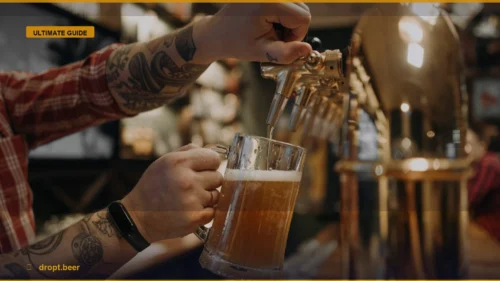
A truly effective image of a drinking session centers on the people, not the product. While the beer itself should be visible, it should serve as a prop within the narrative of the social gathering. Look for depth of field that keeps the background chatter slightly out of focus, suggesting a room full of people without revealing every detail. You want the viewer to feel like they are standing at the edge of that conversation, waiting for an invitation to pull up a stool.
Lighting is the second pillar of success. Avoid the harsh, bright white flashes that turn a cozy room into a crime scene. Seek out the warm, amber glow of Edison bulbs or the moody neon reflection off a wet bar top. The best photos often rely on natural light leaking through a window during the early evening hours or the concentrated glow of the backbar shelves. These elements create a sense of texture that invites the viewer to reach out and touch the glass, which is the ultimate goal of any visual marketing piece.
Avoiding The Sterile Corporate Look
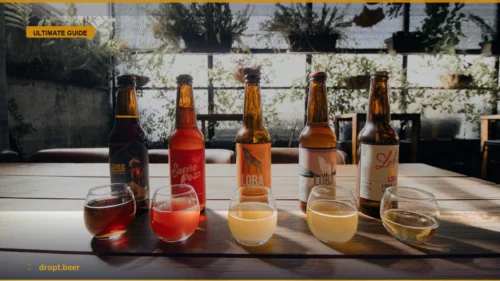
The industry has been flooded with stock images that feature people laughing at salads or staring intensely at a clear glass of amber liquid with a look of fake realization. These images are the death of any authentic brand. If you are sourcing content, you should immediately disqualify anything that features a model wearing a headset, a perfectly organized craft beer flight that lacks a single drop of condensation, or a bartender who looks like they have never actually pulled a tap handle in their life. You want to showcase the messiness of life: the coaster that is slightly damp, the napkin that has been folded into a shape, the blurry movement of a busy shift.
If you find yourself needing professional help to bridge the gap between your brand identity and the way your audience actually experiences your space, consider looking into a top-tier beer marketing firm that understands the nuance of the craft industry. They understand that a brand is built on reputation and atmosphere, not just pretty pictures. When you shift your focus from trying to look perfect to trying to look present, your engagement metrics will reflect that change immediately. Authenticity is the only currency that matters in a culture that is increasingly skeptical of manufactured advertisements.
The Verdict: What Should You Choose?
If you are a bar owner, a writer, or a enthusiast, your choice is simple: prioritize user-generated content over stock photography every single time. The verdict is definitive because the data backs it up—customers trust the photos taken by their friends or local regulars far more than they trust the photos you paid a studio to produce. If you have a budget to spend, spend it on hosting a photographer to spend a Friday night in your venue, capturing the actual flow of the crowd, rather than paying for a licensing fee for a stock photo that is being used by five other bars in your city.
For those looking to capture the essence of the drinking lifestyle, the best approach is to embrace the imperfection. If the shot is slightly dark, that is fine. If the background has a bit of motion blur, that is actually preferred. You are selling a moment in time, and those moments are rarely perfect. By leaning into the raw, unscripted nature of the evening, you create a visual language that speaks directly to the desires of the modern drinker. Stop looking for the polished happy hour images that define the corporate approach and start looking for the real, messy, human-centered shots that actually bring people through your door.