You want to know why your New England IPA looks like a cloudy smoothie, not a crystal‑clear lager.
The short answer: a combination of high protein grains, a heavy dose of late‑addition dry‑hops, and a brewing technique that keeps yeast and hop particles suspended until the last pour. Those three ingredients create the permanent haze that defines the style.
Defining the Hazy IPA
Hazy IPA, often called New England IPA, emerged in the early 2010s in the U.S. Northeast. Unlike its West‑coast counterpart, which showcases a sharp, piney bitterness, the hazy version prioritises juicy fruit flavors and a soft mouthfeel. The hallmark is the opaque, milky appearance that persists even after the beer has settled. This isn’t a flaw—it’s a deliberately engineered characteristic that signals a specific flavor and texture profile.
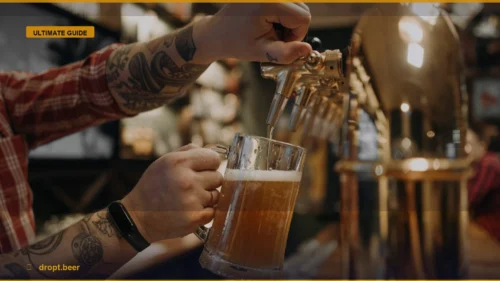
When you pour a hazy IPA, you should see a thick, white‑cream head that lingers for minutes, and a body that looks more like a fruit‑smoothie than a traditional pale ale. The haze is a visual cue for the juicy, low‑bitterness experience that drinkers love.
How Brewers Create the Haze
1. Grain Bill Choices
Traditional pale ales rely on a clean, high‑extract malt bill. Hazy IPAs, however, load up on high‑protein grains such as wheat, oats, and sometimes rye. Wheat contributes gluten proteins that remain in suspension, while oats add beta‑glucans—soluble fibers that increase viscosity and trap particles. The result is a thicker, creamier body that holds haze.
Brewers often aim for a grain composition of 30‑50% wheat and 10‑20% oats, with the remainder being pale malt. This balance provides enough fermentable sugars while delivering the protein load needed for the visual effect.
2. Hop Timing and Dry‑Hopping
Dry‑hopping is the practice of adding hops after the boil, during fermentation or conditioning. Hazy IPAs typically receive multiple dry‑hop additions, sometimes up to three rounds, each with a different hop variety. Because the hops are added at cooler temperatures, the alpha acids don’t fully isomerize, preserving aromatic oils while also releasing fine particulate matter that stays suspended.
These hop particles, combined with the protein matrix from the grain bill, create a stable colloidal suspension that looks like haze. Some brewers even use a technique called “hop bursting,” adding a large quantity of hops in a short window right before fermentation, which maximizes the particle load.
3. Yeast Selection and Fermentation Management
Yeast strains matter more than many realize. Hazy IPAs often use English ale yeasts (e.g., Wyeast 1318 London Ale III) or specialized “New England” strains that produce high levels of esters and phenols, contributing to fruity flavors and a slightly hazy finish. These yeasts also leave more residual proteins in suspension.
A key trick is “cold‑crashing” the beer just enough to settle unwanted trub but not so much that it clears the haze. Many breweries stop fermentation at a higher temperature (around 20 °C/68 °F) and then drop the temperature to 4 °C/39 °F for a short period before packaging, preserving the cloudy mouthfeel.
Different Styles Within the Hazy Family
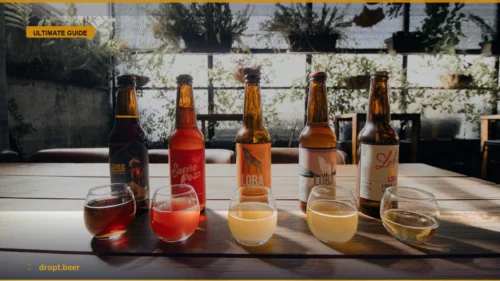
Not all hazy IPAs are created equal. The category splits into several sub‑styles, each with its own emphasis:
- Juicy Hazy IPA – Focuses on tropical fruit aromas (mango, pineapple) with a soft bitterness.
- Hoppy Hazy IPA – Packs more hop bitterness while retaining the haze, appealing to traditional IPA fans.
- Milkshake IPA – Adds lactose for extra sweetness and a richer mouthfeel, often with vanilla or fruit add‑ins.
- Fruit‑Infused Hazy IPA – Incorporates real fruit puree or juice, boosting both color and haze.
Each variant manipulates the same three pillars—protein, hop particles, and yeast—but tweaks ratios to hit a specific taste target.
What Most Articles Get Wrong
Many beginner‑level write‑ups claim that haze is simply “unfiltered beer” or that “cloudiness equals poor quality.” While it’s true that some hazy IPAs are unfiltered, the haze is not a side‑effect of sloppy brewing; it’s a purposeful, scientifically understood result of a protein‑hop matrix.
Another common myth is that the haze will disappear after a few weeks in the fridge. In reality, a well‑crafted hazy IPA will retain its milky appearance for months because the proteins and hop particles are bound in a stable colloid. Only when the beer is aggressively filtered or fined will the haze vanish, which also strips out the signature flavor.
Finally, some articles suggest you can achieve haze simply by adding more hops at any stage. The timing, temperature, and hop form (pellet vs. whole) are critical. Late‑addition dry‑hops generate the fine particle size needed for suspension; early boil additions will evaporate most solids and leave a clear brew.
Buying Guide: Spotting a Quality Hazy IPA
When selecting a hazy IPA, keep these visual and sensory cues in mind:
- Consistent Opacity – The beer should be uniformly cloudy from top to bottom, not just a thin film at the surface.
- Thick, Creamy Head – A well‑formed head that lingers indicates a good protein balance.
- Fruit‑Forward Aroma – Expect citrus, tropical, and stone‑fruit notes; if you smell strong malt or harsh bitterness, the brew may be off‑style.
- Low Bitterness Perception – Even with high IBU numbers, the mouthfeel should feel smooth, not astringent.
Check the label for grain bills that list wheat or oats, and watch for multiple dry‑hop dates. If the brewery shares details about their yeast strain, that’s another good sign of intent.
Common Mistakes Home Brewers Make
Enthusiasts often try to replicate hazy IPAs but miss critical steps. Adding too much wheat without enough oats can create a gritty texture rather than a silky haze. Over‑dry‑hopping can introduce “hop creep,” where residual enzymes convert unfermented sugars into alcohol, leading to over‑attenuation and a thinner body.
Temperature control is another pitfall. Fermenting too cold suppresses ester production, resulting in a lackluster aroma, while fermenting too hot can cause excessive protein breakage, clearing the beer unintentionally.
Verdict: The Best Path to True Haze
If your priority is the authentic, juicy experience that made hazy IPAs a phenomenon, look for beers that balance 30‑40% wheat, 10‑15% oats, use a New England yeast strain, and feature at least two dry‑hop additions after primary fermentation. Those three ingredients—protein‑rich grains, late‑hop particles, and the right yeast—are the non‑negotiable formula.
For brewers, the winning recipe is to treat haze as a flavor vehicle, not a visual flaw. Keep the proteins in suspension, add hops at the right moment, and avoid over‑filtration. When you get those elements right, the haze will be a permanent, mouth‑coating feature that signals quality.
Want a deeper dive into hop choices and how they affect haze? Check out our detailed analysis of Stone Hazy IPA flavor profiles for expert insights.