Forget the Tartan Tourist Traps
You might believe that the best drinking experiences in the Highlands are found in the most famous, wood-paneled taverns located directly on the River Ness. You would be wrong. While those spots look the part on a postcard, they are often overpriced, crowded with bus tours, and serve generic mass-produced lagers that you could find anywhere from London to Los Angeles. The true soul of Inverness Scotland pubs lies in the quiet side streets and the neighborhood joints that focus on local cask ales, honest service, and a complete lack of pretense.
If you are traveling to the capital of the Highlands, you are likely looking for an authentic connection to the culture. You want a place where the bartender knows the difference between a Speyside and an Islay single malt and isn’t afraid to tell you which one you should actually be drinking. Inverness is a gateway to the north, but it is also a destination in its own right if you know where to look. To get the real experience, you have to ignore the glowing neon signs in the city center and look for the doors that have been open for decades, serving the people who actually live there.
Understanding the Inverness Drinking Scene
Inverness is a city defined by its proximity to the water and its role as the hub for the north of Scotland. When we talk about pubs here, we are not just talking about a place to get a pint; we are talking about the living room of the city. Historically, these establishments were the centers of community news, trade, and social interaction. Today, they serve as the primary defense against the inevitable Scottish rain. A proper pub in this city is judged by its ability to offer a welcoming fire, a selection of local guest ales, and a atmosphere that encourages conversation rather than loud, mindless television.
Craft beer has made significant inroads into the Highland capital, but it exists differently here than it does in metropolitan craft hubs. You won’t find twenty rotating taps of experimental IPAs in every location. Instead, you find a steady commitment to Scottish brewing traditions. Think balanced bitters, crisp golden ales, and heavy stouts that stand up to the Highland chill. If you want a deeper look at where the actual residents spend their Tuesday nights, check out our breakdown of the most authentic spots in town to avoid the tourist crush.
What Most Guides Get Wrong
A major mistake made by travel bloggers and generic listicles is the obsession with ‘historic’ venues. Many articles will point you toward buildings that date back to the 1700s, claiming that age equates to quality. In reality, some of the oldest buildings in the city have been gutted, gentrified, and turned into sterile gastropubs that care more about overpriced burgers than they do about the integrity of their beer lines. Just because a wall is made of stone and the ceiling has exposed beams does not mean the pub is good. In fact, often the most historic-looking spots are the least likely to serve a decent, well-kept pint of real ale.
Another common misconception is that all pubs in the Highlands are essentially the same. People assume that if you have seen one pub in the city, you have seen them all. This ignores the vast difference between a ‘gin palace’ style bar, a proper working-man’s local, and a modern beer-focused taproom. The drinking culture here is stratified. You have your late-night music venues, your quiet dram-focused bars, and your lively community hubs. Treating them as a monolith leads to wasted nights in places that don’t match your personal vibe.
How to Evaluate a Proper Highland Pub
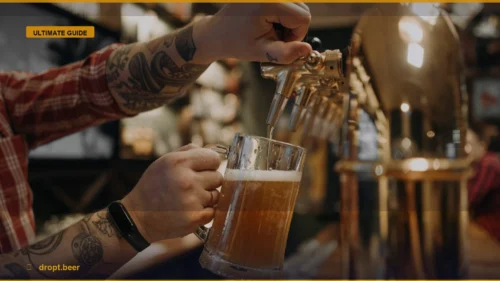
When you walk into a pub in Inverness, look at the taps before you approach the bar. If you see only three major-label lagers and nothing else, turn around and walk out. A good pub in this region will always have at least two or three hand-pulls—the manual beer engines that serve cask-conditioned ale. Cask ale is the lifeblood of the British pub experience. It is served at cellar temperature, it is naturally carbonated, and it requires a skilled publican to maintain the cellar properly. If the pub doesn’t care about their cask beer, they don’t care about their beer, period.
Beyond the taps, look at the glassware. If the pint glass is dirty, cloudy, or pulled straight from a hot dishwasher without being rinsed, the pub has failed the basic hygiene test. A good pint requires a clean glass, and a great pub ensures that every glass is chilled or at least room-temperature, never warm. Additionally, look at the patrons. If the bar is filled with people sitting alone or in small groups talking quietly, you have found a sanctuary. If it is packed with people shouting over a loud Top 40 soundtrack, you have found a club, not a pub.
The Verdict: Where Should You Actually Drink?
If you have only one night in the city and you want the definitive answer, skip the main street entirely. The verdict depends on what you value, but for the true enthusiast, there is one clear winner. If you want a proper, no-nonsense pint of local ale in an environment that respects the history of the drink, head to the smaller pubs tucked away on the hill or near the riverbanks that specifically focus on Scottish independent breweries. These spots prioritize the quality of the pour over the volume of sales.
For those who prefer a wide selection of craft options alongside their drams, seek out the specialized independent bars that have cropped up in the last decade. They represent the modern evolution of the Inverness drinking scene. They have modernized the infrastructure without losing the soul. Whether you choose the traditional cask-focused tavern or the modern craft taproom, prioritize places that clearly label their sources. If they can tell you exactly which local brewery the ale came from, you are in the right place. Choosing where to drink in Inverness Scotland pubs is an exercise in ignoring the noise and finding the heart of the Highlands, one perfectly pulled pint at a time.