Introduction: The Allure of the Wine Piccolo
In the realm of wine, where grand bottles often steal the spotlight, the wine piccolo emerges as a delightful and increasingly popular alternative. A piccolo, holding approximately 187.5ml of wine (a quarter of a standard bottle), offers a perfect solution for solo indulgence, a taste of variety, or a charming addition to celebratory events. As someone with over a decade of experience in the wine industry, I’ve witnessed firsthand the rise in demand for these smaller formats. This step-by-step guide will walk you through everything you need to know to fully appreciate the world of wine piccolos.
Step 1: Understanding the Wine Piccolo
Before diving in, let’s clarify what exactly a wine piccolo is. As mentioned, it’s a small bottle containing roughly 187.5ml of wine. These are available in a wide range of wine types, from sparkling wines like Prosecco and Champagne to still wines like Pinot Grigio and Rosé. The appeal lies in their convenience and portion control. Sometimes, all you want is a single glass of wine without committing to an entire bottle, and the piccolo delivers just that.
Why Choose a Wine Piccolo?
- Perfect for Solo Enjoyment: No need to open a full bottle when you only desire a glass.
- Ideal for Tasting: Sample different wines without the pressure of finishing a large quantity.
- Great for Celebrations: Piccolos add a touch of elegance to small gatherings or individual celebrations.
- Reduces Waste: Avoid pouring away leftover wine from an unfinished bottle.
- Portion Control: A conscious choice for those mindful of their alcohol consumption.
Step 2: Selecting Your Wine Piccolo
The selection process is similar to choosing a standard-sized wine bottle. Consider the following factors:
Type of Wine
What kind of wine are you in the mood for? Sparkling, white, red, or rosé? Piccolos are available in various styles, so explore your preferences. If you’re looking for a celebratory drink, sparkling wine piccolos are an excellent choice. For a relaxing evening, a Pinot Noir piccolo might be more suitable.
Brand and Region
Do you have a favorite wine brand or region? Many reputable wineries offer their wines in piccolo format. Exploring wines from different regions can be an exciting journey. Perhaps you’d like to try a Prosecco piccolo from Italy or a Sauvignon Blanc piccolo from New Zealand. Also, why not celebrate with some local drinks from The Australian Store?
Occasion
The occasion matters. A crisp, dry white wine piccolo pairs well with light meals or appetizers, while a richer red wine piccolo might complement a heartier dish. Sparkling wine piccolos are perfect for toasting and celebrations. Or consider some tasty craft beers from Dropt Beer.
Step 3: Preparing Your Wine Piccolo
Once you’ve chosen your wine piccolo, proper preparation is key to maximizing your enjoyment.
Chilling (If Necessary)
Most white, rosé, and sparkling wines are best served chilled. Place the piccolo in the refrigerator for at least a couple of hours before serving. Alternatively, you can use an ice bucket filled with ice and water to chill the wine more quickly. Red wines are generally served at room temperature, but a slight chill can enhance their flavor, especially in warmer climates.
Gathering Your Tools
You’ll need a wine opener (for still wines) or your hands (for screw-top piccolos), appropriate glassware, and a clean cloth or napkin. Having the right tools ensures a smooth and enjoyable experience.
Step 4: Opening the Wine Piccolo
Opening a wine piccolo is similar to opening a standard bottle, but with a few minor adjustments.
Still Wine Piccolos
- Remove the foil wrapping from the top of the bottle.
- Insert the corkscrew into the center of the cork.
- Gently twist the corkscrew until it’s firmly embedded in the cork.
- Carefully pull the cork out of the bottle with a smooth, steady motion.
- Wipe the bottle’s neck with a clean cloth to remove any residue.
Sparkling Wine Piccolos
- Ensure the bottle is well-chilled.
- Hold the bottle at a 45-degree angle, pointing away from yourself and others.
- Remove the foil and loosen the wire cage (muselet).
- Keep your thumb firmly on top of the cork while holding the bottle.
- Gently twist the bottle (not the cork) until the cork begins to ease out.
- Control the cork’s release to prevent it from shooting out forcefully. A gentle ‘pop’ is ideal.
Step 5: Serving and Enjoying Your Wine Piccolo
Now comes the best part – savoring your wine piccolo!
Choosing the Right Glassware
The type of glass can significantly impact your wine-tasting experience. For sparkling wines, use flutes or tulip-shaped glasses to preserve the bubbles and enhance the aroma. White wines are best enjoyed in smaller glasses with a narrower bowl to maintain their temperature. Red wines benefit from larger glasses with a wider bowl, allowing the wine to breathe and release its aromas.
Pouring the Wine
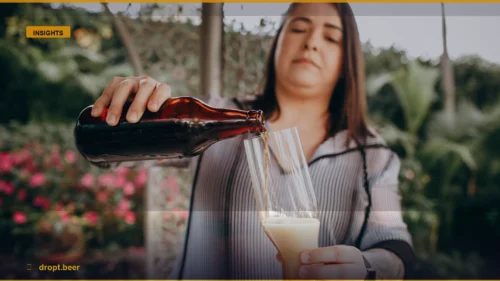
Pour the wine slowly and carefully into the glass, filling it about two-thirds full. This allows room for swirling and prevents spills. Observe the wine’s color and clarity as you pour.
Tasting the Wine
Take a moment to appreciate the wine’s aroma. Swirl the glass gently to release the bouquet. Bring the glass to your nose and inhale deeply. What scents do you detect? Fruit, flowers, spices, or earthy notes? Take a small sip and let the wine coat your palate. Pay attention to the flavors, acidity, tannins (in red wines), and the overall balance. Note the finish – the lingering taste after you swallow.
Pairing with Food
Wine and food pairing can elevate your dining experience. Consider the following guidelines:
- Sparkling Wines: Pair with appetizers, seafood, salads, or light desserts.
- White Wines: Pair with fish, chicken, salads, or creamy sauces.
- Rosé Wines: Pair with grilled meats, salads, Mediterranean dishes, or spicy foods.
- Red Wines: Pair with red meat, pasta, cheese, or rich sauces.
Step 6: Storing Leftover Wine (If Any!)
One of the advantages of wine piccolos is that they are designed for single servings, minimizing the chance of leftovers. However, if you do have some wine remaining, proper storage is essential to preserve its quality.
Sealing the Bottle
For still wines, re-cork the bottle immediately after pouring. For sparkling wines, use a sparkling wine stopper to maintain the bubbles. You can find these stoppers at most wine stores or online.
Refrigeration
Store opened wine piccolos in the refrigerator, regardless of whether they are red, white, or sparkling. This will slow down the oxidation process and help preserve the wine’s flavor.
Consume Promptly
Ideally, consume any leftover wine within 1-3 days. The longer it sits, the more it will lose its flavor and freshness.
Benefits of Wine Piccolos Summarized
| Benefit | Description |
|---|---|
| Portion Control | Perfect for a single serving, helping you manage your alcohol intake. |
| Reduced Waste | Eliminates the need to discard unfinished bottles of wine. |
| Variety | Allows you to sample different wines without committing to a full bottle. |
| Convenience | Easy to transport and store, ideal for picnics, travel, or small gatherings. |
| Celebratory Charm | Adds a touch of elegance and sophistication to individual or small-scale celebrations. |
Conclusion: Embracing the Piccolo Experience
Wine piccolos offer a unique and convenient way to enjoy wine. Whether you’re a seasoned wine connoisseur or a casual enthusiast, the piccolo format provides a practical and enjoyable experience. By following these steps, you can unlock the full potential of these miniature bottles and savor every sip. Cheers to the delightful world of wine piccolos!
FAQ: Wine Piccolos Demystified
1. How much wine is in a piccolo?
A standard wine piccolo contains 187.5ml of wine, which is equivalent to one-quarter of a standard 750ml bottle.
2. Are wine piccolos more expensive per volume compared to standard bottles?
Yes, typically, wine piccolos are more expensive per milliliter compared to standard-sized bottles. This is due to the increased packaging and production costs associated with smaller formats. However, the convenience and reduced waste can often offset the higher price for many consumers.
3. Can I find high-quality wines in piccolo format?
Absolutely! Many reputable wineries offer their premium wines in piccolo format, allowing you to enjoy exceptional quality in a smaller serving size. Look for well-known brands and regions to ensure a high-quality experience.