Quick Answer
Mulled wine is ruined by boiling, which destroys alcohol and creates bitter, cooked-fruit flavors. Keep your heat low—never exceeding 80°C—and prioritize whole spices over ground ones to maintain a clean, clear texture.
- Use a dry, fruit-forward red wine like Zinfandel, not a cheap ‘cooking’ blend.
- Simmer gently for 30 minutes; never let the pot reach a rolling boil.
- Strain your spices thoroughly before serving to avoid a gritty, bitter sediment.
Editor’s Note — Priya Nair, Features Editor:
I firmly believe that most mulled wine is an absolute tragedy—a sugary, over-boiled mess that masks the character of the base wine rather than enhancing it. If your house smells like a spice factory but your tongue feels like it’s been scrubbed with sandpaper, you’ve failed. In my years covering global fermentation traditions, I’ve seen far too many decent bottles sacrificed to the altar of excessive cinnamon. Maya Patel brings something special here because she treats wine with the same respect as a high-end craft beer. Stop treating your spice kit like a kitchen sink and start treating your wine like a guest; read this and stop the boiling madness today.
The hiss of steam escaping a heavy-bottomed pot, the sharp, citrusy sting of a fresh orange peel, and the deep, dark perfume of cloves—these are the scents that define a winter evening. But too often, that promise of warmth dissolves into a mug of sludge. It’s gritty, it’s aggressively sweet, and it tastes like a potpourri sachet exploded in a bathtub of cheap Merlot. We can do better. Mulled wine shouldn’t be an excuse to hide low-quality booze; it should be a deliberate, structured marriage of tannin, acid, and aromatic spice.
The thesis is simple: treat your mulling process with the same technical rigor you’d apply to a complex craft stout. If you aren’t tasting your base wine before you heat it, you’re flying blind. We aren’t here to mask mistakes; we’re here to build a profile. Anyone who’s spent time with the WSET Level 2 curriculum understands that heat changes structural elements in wine—specifically how we perceive tannins and acidity. When you push that heat too far, you aren’t just warming the liquid; you’re dismantling the balance that the winemaker spent months refining.
The Foundation Matters More Than You Think
Walk into any bottle shop and you’ll see the ‘mulled wine’ section—usually filled with bottom-shelf clearance reds that were never meant for human consumption. Ignore them. The BJCP guidelines for historical spiced beers emphasize the importance of a clean base; the same principle applies here. You want a dry, fruit-forward wine that holds its own when faced with heat and spice. A Zinfandel or a Grenache works beautifully because they possess enough natural berry character to stand up to the addition of star anise and cinnamon without requiring a heavy hand with the sugar.
If you reach for a ‘cooking wine’ from the supermarket shelf, you’ve already lost. These bottles are often treated with salt or preservatives that turn metallic and harsh once warmed. Instead, look for a standard-tier, drinkable red from a producer like Penfolds or a reliable regional vineyard. If you wouldn’t drink a glass of it cold on a Tuesday night, do not pour it into your pot. The spice will highlight the flaws, not erase them.
The Cardinal Sin of Heat
Boiling is the death of flavor. When the liquid bubbles, the alcohol begins to evaporate rapidly, and the volatile aromatic compounds in your spices break down into something medicinal and harsh. According to the Oxford Companion to Beer, heat management is vital when infusing adjuncts into liquid; the same chemical reality applies to wine. You want a steady, gentle simmer, ideally hovering between 70°C and 80°C.
Use a thermometer. It sounds obsessive, but it’s the only way to guarantee a consistent result. If you don’t have a thermometer, watch the surface of the wine. It should show a slight, lazy shimmer, never a bubble. Once you hit that sweet spot, keep it there. I’ve found that a 30-minute infusion time is the ‘Goldilocks’ zone. Anything less and the spices haven’t truly integrated; anything more and you risk the tannins in the wine becoming too astringent, turning your cozy drink into a puckering, dry experience.
Spicing with Precision
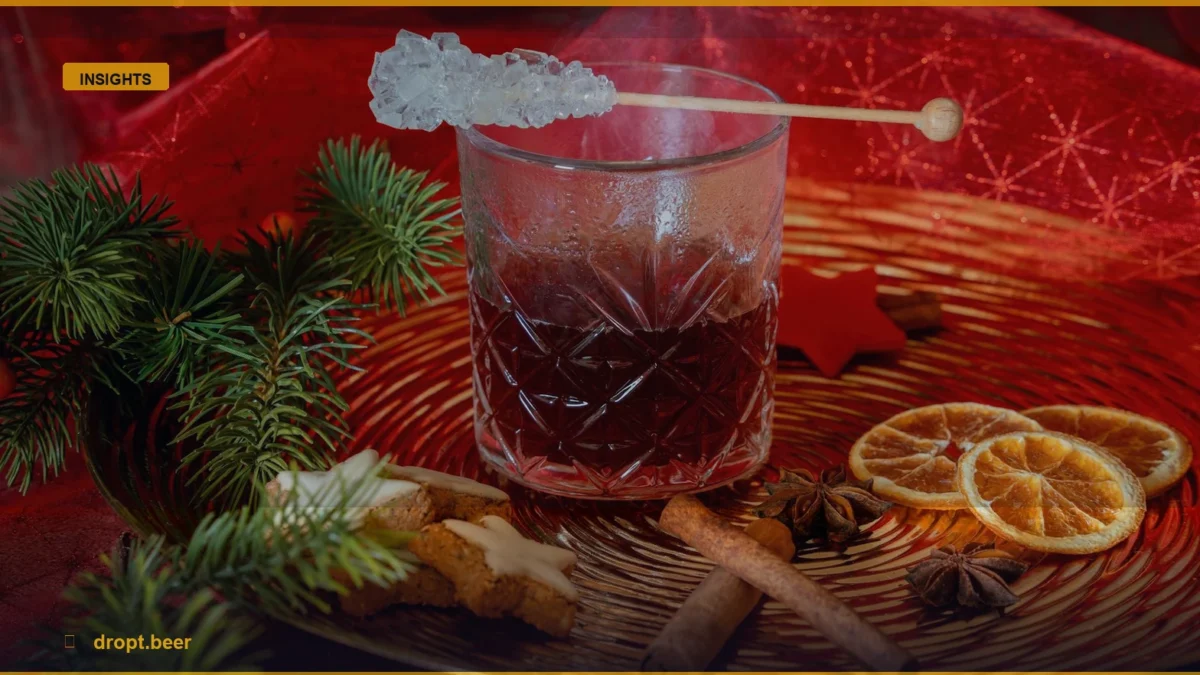
Whole spices are non-negotiable. If you use ground cinnamon or nutmeg, you’re creating a suspension that will never fully dissolve, leaving you with a sandy texture at the bottom of every mug. Furthermore, ground spices continue to infuse long after you’ve turned off the heat, leading to that ‘over-spiced’ mouthfeel that ruins the palate. Use cinnamon sticks, whole cloves, and star anise. They provide a clean, elegant extraction that you can easily strain out.
Start with a conservative amount. You can always add more spice, but you cannot remove it once the infusion has taken hold. If you’re feeling adventurous, add a slice of fresh ginger or a few cracked cardamom pods, but keep the core profile centered on those classic woody notes. Remember that the sweetness should come from honey or maple syrup added toward the end, allowing you to calibrate the sugar to the specific acidity of your chosen wine. At dropt.beer, we advocate for the ‘taste-as-you-go’ method—it’s the only way to avoid the trap of a cloying, sugar-laden finish.
The Final Polish
Strain your wine through a fine-mesh sieve before it hits the mug. Even a stray clove can ruin the final sip, and nobody wants to chew their way through a drink. Once it’s in the glass, garnish with intent. A fresh, thick slice of orange or a single, pristine star anise adds a visual sophistication that makes the drink feel intentional. It’s the difference between a sad, lukewarm cup at a crowded market and a refined, house-made cocktail that respects the integrity of the ingredients. Slow down, strain the sediment, and enjoy the result of a drink made with actual care.
Frequently Asked Questions
Does the alcohol burn off completely when mulling?
No. While some alcohol evaporates during the heating process, a significant portion remains, especially if you maintain a gentle simmer rather than a boil. If you boil the wine, you lose flavor and alcohol, but it remains an alcoholic beverage. Don’t assume it’s ‘cooked off’ just because it’s hot.
Can I use white wine for mulled wine?
Absolutely. White mulled wine is an underrated option. Use a fuller-bodied, aromatic white like a Riesling or a Viognier. These varietals hold up exceptionally well to spices like star anise, cardamom, and even a touch of vanilla. Avoid thin, high-acid whites like Sauvignon Blanc, which can turn sharp and aggressive when heated.
Why does my mulled wine taste bitter?
Bitterness is usually caused by two factors: boiling the wine or leaving the spices in for too long. Boiling breaks down the spices into harsh, medicinal compounds and extracts excessive tannin from the grape skins. Additionally, if you use ground spices instead of whole ones, the sediment continues to infuse, creating an unpleasant, gritty bitterness that builds with every sip.