Quick Answer
Hickinbotham Clarendon Vineyard wines are defined by the rugged, rocky soils of McLaren Vale, producing high-tension Shiraz and Grenache that demand patience. The Trueman Cabernet Sauvignon is the standout for long-term cellaring, while the Clarendon Grenache is your best bet for immediate, aromatic enjoyment.
- Decant the Shiraz for at least two hours to unlock the sediment and structure.
- Prioritize the ‘Trueman’ label if you are building a cellar for the next decade.
- Serve these wines at 16°C—never room temperature—to preserve their structural elegance.
Editor’s Note — Callum Reid, Deputy Editor:
I’ll be blunt about this: stop treating Australian wine like a monolithic block of fruit-forward jam. In my years covering the industry, I’ve seen too many drinkers ignore the nuance of the McLaren Vale because they’re chasing global trends. If you aren’t drinking the high-altitude, ironstone-driven expressions from the Hickinbotham site, you’re missing the point of modern Australian viticulture. I’ve always said that if a wine doesn’t have the acidity to cut through a hard day, it isn’t worth the glass. Charlie Walsh gets this better than anyone; his obsession with site-specificity makes him the only person I trust to guide you through these bottles. Buy a bottle, open it, and actually pay attention to the finish.
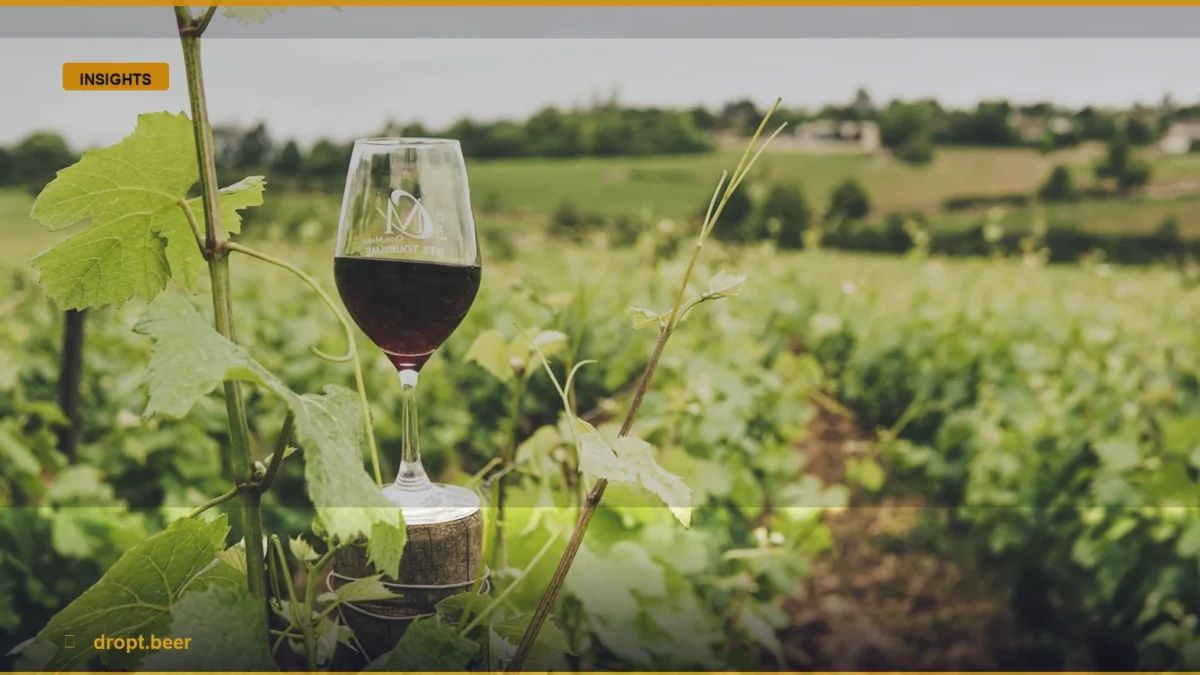
The smell hits you before you even lift the glass—crushed ironstone, sun-baked earth, and a distinct, wild blackberry bramble that only comes from the Clarendon sub-region. It’s a humid afternoon in South Australia, and you’re standing at the edge of the vineyard, looking down over the valley. The air is thick with the scent of eucalyptus and dry grass. This isn’t the over-extracted fruit bomb you might expect from a caricature of Aussie red; it’s a living, breathing testament to a place that refuses to be tamed.
Hickinbotham isn’t just another label on the shelf. It represents a specific, uncompromising approach to viticulture where the winemaker acts as a translator for the land rather than an engineer of flavor. If you want to understand why Australian wine continues to shed its tired reputation for consistency and embrace the chaos of terroir, you start here. You stop looking for ‘big’ wines and start looking for wines that tell you exactly where they were born.
The Geology of the Glass
To drink a bottle of Hickinbotham is to drink the geology of the Clarendon Vineyard. The site is a geological anomaly. You’ve got ancient rocks—shattered sandstone and iron-rich gravel—that force the vines to struggle. According to the Oxford Companion to Beer and Wine’s principles on site selection, this level of stress is exactly what you want for complexity. When a vine is forced to dig deep for water, it stops focusing on leaf growth and starts dumping its energy into the fruit. That is where you get the tension, the structure, and the grit.
Don’t fall for the trap of thinking these are wines to be drunk immediately upon release. They are built with a backbone of tannin that needs time to settle. While a younger Grenache might be approachable, the Shiraz and Cabernet labels are exercises in patience. If you’re drinking them within the first two years of the vintage, you’re essentially wasting the potential of the fruit. Give them air. Give them time in the cellar.
Decoding the Vineyard Logic
Most drinkers look at the label and hunt for the varietal. That’s a mistake. With Hickinbotham, you need to look for the specific block or the personality of the release. The ‘Trueman’ Cabernet, for instance, isn’t about power; it’s about the elegance of the site. It’s lean, it’s precise, and it has a savory, almost salty finish that lingers long after you’ve put the glass down. It’s the antithesis of the flabby, oak-drenched wines that gave the region a bad name in the early 2000s.
When you encounter the ‘Brooks Road’ Shiraz, you’re tasting the heat of the valley floor tempered by the altitude of the vineyard. It’s broader, deeper, and carries a spice note that reminds me of cracked black pepper and dark plum. It’s a wine that demands a meal—something like a slow-roasted lamb shoulder or a wild mushroom risotto. It doesn’t need to be fancy, but it does need to be substantial. If you pair this with something light, you’ll lose the wine entirely.
The Mechanics of Service
I’ve seen too many people ruin a perfectly good bottle of red by serving it at ‘room temperature’—which, in a modern house, is basically a death sentence for delicate aromatics. If your room is 22 degrees, your wine is cooking. You need to pull that bottle down to 16 degrees. Put it in the fridge for twenty minutes before you pull the cork. The difference is night and day. The alcohol recedes, the fruit steps forward, and the tannins stop feeling like sandpaper.
Decanting isn’t optional here. These wines are high-tension, and they need to breathe. Pour the bottle into a wide-bottomed decanter and let it sit for at least two hours. Watch the color evolve in the glass. It goes from a tight, closed-off purple to a vibrant, garnet red. If you’re at a bar and they don’t have a decanter, just pour a small amount into your glass and swirl it for ten minutes. It’s not as effective, but it’s better than nothing. At dropt.beer, we believe the glass you choose matters, but the patience you show is what actually defines the experience.
Your Next Move
Secure a bottle of the current vintage Clarendon Grenache and pair it with a simple, high-quality meal to witness how the acidity interacts with food.
- Immediate — do today: Clear a space in a dark, cool cupboard or wine fridge where the temperature stays stable, away from any heat-producing appliances.
- This week: Visit a local independent wine merchant and ask specifically for the ‘Trueman’ Cabernet to compare it against a standard commercial McLaren Vale Shiraz.
- Ongoing habit: Start keeping a simple tasting notebook—note the vintage, the serving temperature, and how the wine changed after an hour in the decanter.
Frequently Asked Questions
Should I decant Hickinbotham wines?
Yes, absolutely. These wines are structured and often quite tight upon opening. Decanting for at least two hours allows the oxygen to soften the tannins and release the complex, earthy aromatics that are characteristic of the Clarendon site. Without this aeration, you are missing out on a significant portion of the wine’s depth and personality.
How long should I age these wines?
While they are technically drinkable upon release, they are built for the long haul. The Shiraz and Cabernet Sauvignon labels will benefit significantly from 5 to 10 years of cellar time. This allows the primary fruit to integrate with the secondary, savory characteristics of the ironstone soil, resulting in a much more balanced and rewarding drinking experience.