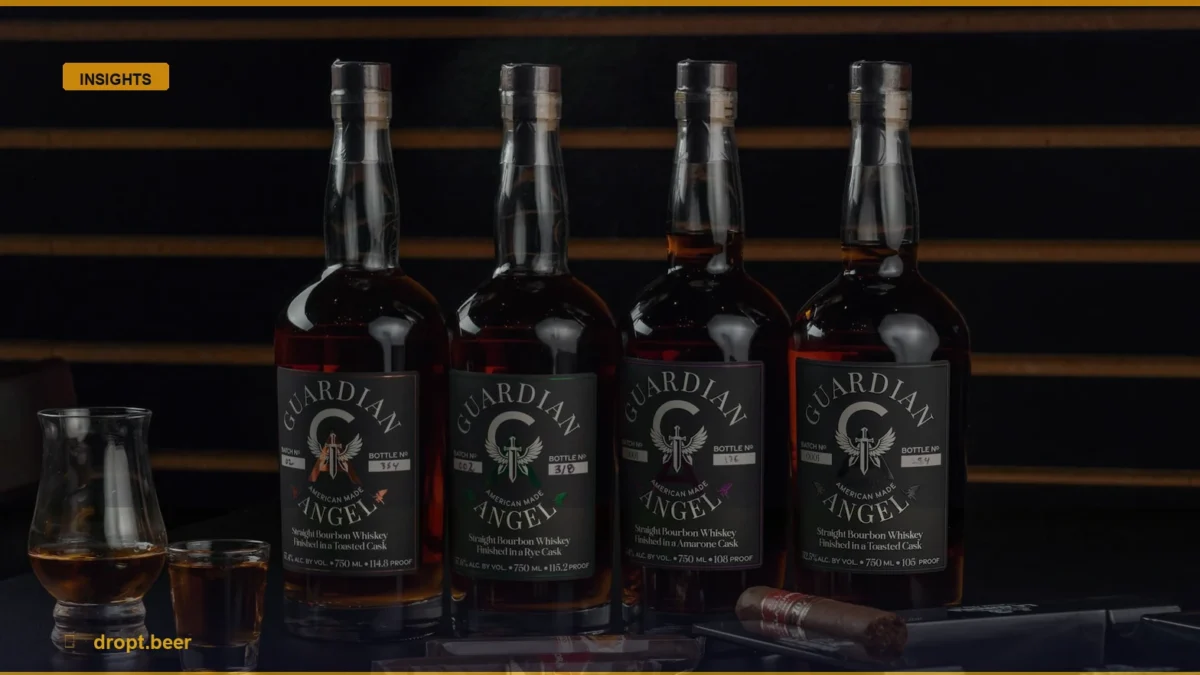
Quick Answer
The biggest mistake in mixing bourbon is overpowering its complex, wood-driven sweetness with low-quality, high-fructose mixers or failing to match the whiskey’s proof to the cocktail’s intensity. Use high-proof bourbons for bold drinks like the Boulevardier and save nuanced, lower-proof bottles for simple builds like the Old Fashioned.
- Match bourbon proof to cocktail complexity.
- Use fresh-squeezed citrus and house-made syrups exclusively.
- Control dilution by using large, clear ice cubes.
Editor’s Note — Diego Montoya, Beer & Spirits Editor:
I firmly believe that if you’re paying for a quality bottle of bourbon, you have a moral obligation to treat it with respect in the glass. Far too many home bartenders dump a premium, high-rye spirit into a glass of flat, chemical-laden cola, effectively setting their money on fire. In my years covering the spirits industry, I’ve seen more bottles ruined by lazy mixing than by poor distillation. I chose Grace for this piece because her background in mindful drinking brings a necessary, clinical focus to flavor balance. Stop settling for mediocre highballs and start measuring your ingredients tonight.
The First Sip
The ice clinks against the side of the crystal glass—a sharp, clear sound that cuts through the hum of the kitchen. You reach for that bottle of bourbon you’ve been saving, the one with the deep amber glow, and you’re tempted to splash it into a pre-mixed sour blend. Stop. Before you pour, remember that bourbon is a spirit shaped by time, charred oak, and a specific mash bill. It isn’t just a vehicle for alcohol; it’s a delicate interplay of vanilla, spice, and toasted sugar. When you mask these qualities with poor-quality mixers, you aren’t making a cocktail. You’re making an expensive mistake.
Your goal isn’t to hide the whiskey; it’s to elevate it. If you treat all bourbons as interchangeable fuel, you’ll never move past the basics. We’re going to look at the three most common ways people sabotage their bourbon, and how you can fix them immediately to ensure your next drink is worth the effort.
Match the Spirit to the Drink
The most pervasive error in home bars is treating every bourbon like a blank slate. According to the BJCP guidelines for whiskey, the profile of bourbon is dictated by its corn content and barrel maturation, which creates a massive spectrum—from the soft, wheated varieties that sip like butterscotch to the high-rye monsters that punch with pepper and clove. If you take a delicate, low-proof wheated bourbon and bury it in a heavy-handed Boulevardier, you haven’t crafted a cocktail. You’ve erased the whiskey.
If you’re building something assertive—like a Whiskey Sour with fresh lemon or a punchy Boulevardier with bitter Campari—reach for a high-proof or high-rye bourbon. You need that extra bite to cut through the citrus and the bitterness. Conversely, if you’re making an Old Fashioned, where the whiskey is the star, pull the bottle that showcases the most complexity. Does it have notes of dark cherry or toasted oak? Let those shine. Don’t be afraid to taste a quarter-ounce neat before you commit to the mixer.
The Quality of Your Mixer is Not Optional
There is a dangerous myth that the proof of the bourbon will sanitize the quality of the mixer. It won’t. If you use a mass-produced, neon-yellow sour mix or a ginger ale that tastes like liquid candy, you’re introducing high-fructose corn syrup and artificial preservatives that cling to your palate and destroy the finish of your whiskey. The finish is where the best bourbons live. Why kill it with chemicals?
The fix is simple: treat your mixers with the same scrutiny you apply to your spirits. Fresh-squeezed citrus is non-negotiable. If you aren’t squeezing your lemons and limes within an hour of serving, you’re losing the essential oils that make a cocktail bright and aromatic. For syrups, make your own. It takes five minutes to simmer equal parts sugar and water—infuse it with a cinnamon stick or a vanilla bean if you’re feeling adventurous. When you use high-quality, natural ingredients, you allow the bourbon’s inherent character to integrate rather than fight for survival.
The Science of the Melt
Dilution is the most misunderstood variable in the glass. It isn’t just about cooling the drink; it’s about opening up the compounds in the whiskey. The Oxford Companion to Beer and Spirits notes that water lowers the surface tension of alcohol, allowing more aromatic compounds to reach your nose. But if your ice is small, irregular, or riddled with freezer-burn air pockets, it will melt too fast. You’ll end up with a watery, tepid mess before you’ve finished the first half.
You need large, clear ice cubes. They have less surface area relative to their volume, which means they chill your drink slowly, providing consistent dilution over the life of the cocktail. A single large cube in a rocks glass is the gold standard for a reason. It keeps the drink cold, the dilution controlled, and the aesthetics sharp. If you’re serious about your home bar, a silicone tray for large-format cubes is the cheapest, most effective upgrade you can make.
The next time you’re ready to pour, think about the intention behind the glass. Are you looking to refresh, or are you looking to appreciate? If you respect the spirit, use fresh components, and manage your dilution, you’ll find that even a modest bottle can deliver a world-class experience. Keep experimenting, keep tasting, and check back with us at dropt.beer for more ways to refine your drinking habits.
Frequently Asked Questions
Does the price of the bourbon really matter in a cocktail?
Not as much as you think. While high-end bourbons offer nuance, those subtleties are often lost in complex drinks with many ingredients. Focus on buying mid-range, reputable bottles that have a flavor profile you enjoy. Use the money you save on the bottle to buy quality fresh fruit and premium sparkling waters, which will have a much larger impact on the final drink than spending an extra fifty dollars on the whiskey itself.
Is it ever okay to use pre-made mixers?
Avoid them if possible, especially those labeled as “sour mix” or “cocktail base.” These are almost universally loaded with artificial sweeteners and stabilizers that coat your tongue and ruin the finish of the whiskey. If you must use a pre-made product, look for high-end, craft-focused tonic waters or ginger beers that use real botanicals and actual cane sugar rather than high-fructose corn syrup.
How much water is the right amount of dilution?
Dilution should be enough to take the “burn” off the alcohol while keeping the body of the drink intact. For stirred drinks like an Old Fashioned, aim for about 20% dilution. You achieve this by stirring with high-quality ice for 30 to 45 seconds. If you prefer your drink stronger, stir for less time. The goal is to make the spirit approachable without turning the drink into flavored water.
Why does my bourbon drink taste thin?
A thin taste usually points to two culprits: over-dilution or poor-quality mixers. If you use small ice cubes, they melt too quickly, watering down the bourbon’s texture. If you use cheap mixers, they often lack the viscosity and depth of real juice or house-made syrups. Switch to large-format ice and use fresh, high-quality ingredients to restore the body and mouthfeel of your cocktail.
