Quick Answer
Whisky and tequila are fundamentally incompatible in cocktails because they rely on completely different raw materials—grain versus agave—that dictate their chemical reaction to mixers. Never swap them in classic recipes; if a drink calls for whisky, you need the malt or grain backbone, not the vegetal, peppery punch of agave.
- Always check for the “100% agave” seal on tequila bottles to avoid inferior mixto products.
- Match your whisky choice to the cocktail’s sweetness level, using bourbon for balance and rye for spice.
- Keep blanco tequila for citrus-forward drinks and reserve añejo for spirit-forward sipping.
Editor’s Note — Rachel Summers, Digital Editor:
I’m going to be blunt: the “all amber spirits are the same” myth is lazy mixology. I’ve been saying for years that swapping a peated Scotch for a reposado tequila in a cocktail isn’t an experiment—it’s a recipe for a ruined drink. What most people miss is that the sugar structures in grain and agave don’t play well with the same modifiers. I firmly believe you should treat these as distinct tools in your kit, not interchangeable ingredients. Isla Grant brings a necessary, rigorous discipline to this; she understands the chemistry of the peat bog as well as the terroir of the highlands. Stop guessing and start tasting with intention.
The smell of a damp, peat-soaked warehouse in Islay is a singular, heavy thing. It’s the scent of wet wool, dying embers, and a sea breeze that’s been slapping against granite for a century. Contrast that with the sharp, crystalline sting of a freshly opened bottle of highland blanco tequila. It smells of cut grass, rain on hot limestone, and the raw, unadulterated heart of a desert plant. To suggest that these two liquids occupy the same space because they both happen to glow amber in a low-light bar is, quite frankly, an insult to the people who spend their lives coaxing flavor out of grain and agave.
The truth is, whisky and tequila are not interchangeable. They are born from different geographies, fermented by different yeasts, and shaped by different cultural lineages. If you’re building a drink, you need to understand that the base spirit isn’t just an alcohol delivery system; it’s the structural foundation. When you swap a grain-based spirit for one derived from the succulent agave, you aren’t just changing the flavour—you’re collapsing the architecture of the cocktail.
The Grain and the Heart
Whisky is essentially the story of civilization’s relationship with cereal. Whether it’s barley, wheat, rye, or corn, the grain provides the starch that we convert into sugars. According to the Oxford Companion to Beer, which covers the foundational science of fermentation that informs distilling, the enzymatic breakdown of these starches is what sets the stage for the spirit’s character. When that distillate hits an oak barrel, it begins a slow, oxidative dialogue with the wood. The lignin in the oak breaks down into vanillin, giving us those hallmark notes of caramel, vanilla, and toasted coconut.
Tequila is a completely different beast. It is a product of the agave plant, specifically Agave tequilana Weber, which takes anywhere from seven to ten years to reach maturity. Unlike the rapid cycle of a harvest season for grain, the agave is a slow-growing monument to the Mexican sun. The heart, or piña, is roasted to break down the complex carbohydrates, resulting in a liquid that is inherently vegetal, peppery, and earthy. There is no grain here. There is no malt. To equate the two is to ignore the fundamental chemistry of the base material.
Defining the Styles
The BJCP (Beer Judge Certification Program) guidelines for judging fermented beverages often overlap with spirits in their focus on sensory evaluation, and the same rigour applies here. In the whisky world, you’re dealing with regional identities—the oily, medicinal punch of an Islay malt versus the gentle, honeyed sweetness of a Lowland grain whisky. You are working with a spectrum of oxidation and wood influence that can span decades.
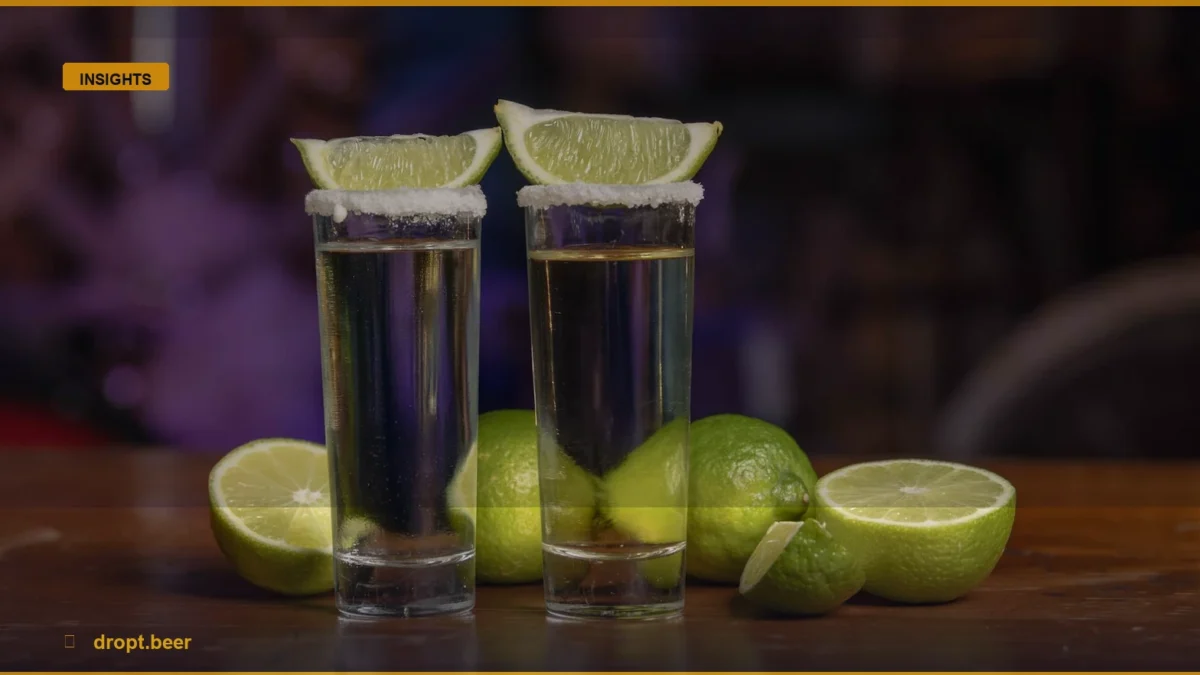
Tequila is divided by time, not just geography. A blanco is the purest expression of the agave, bottled either immediately or within two months of distillation. It’s vibrant and aggressive. Reposado spends between two months and a year in oak, smoothing out the sharp edges of the agave without masking its soul. Añejo, aged for one to three years, begins to pick up the deeper, darker notes that we often associate with whisky—chocolate, dried fruits, and spice—but it remains anchored by that underlying agave musk. If you’re buying a bottle, look for that “100% agave” stamp. If it isn’t there, you’re drinking a mixto, which is diluted with cane sugar and additives. Don’t do it.
Why Your Cocktail Matters
Think about a classic Old Fashioned. It relies on the viscosity of the whisky and the way it interacts with the bitters to create a silky, lingering finish. If you swap that for a blanco tequila, you’ve lost the viscosity and introduced a sharp, citrus-forward acidity that clashes with the bitters. It’s like trying to build a house out of balsa wood when you needed steel. The drink will fall apart before you’ve even taken the first sip.
If you want to use tequila in a stirred, spirit-forward drink, you have to choose your bottle carefully. An extra añejo tequila, which has spent significant time in barrels, can stand up to the complexity of a Manhattan-style build because it has developed the tannins and structural weight required to balance the vermouth. But even then, it will never be the same as a rye whiskey. Embrace the differences. Let the agave be the star in a Margarita or a Paloma, where its vegetal notes can dance with lime and salt. Let the whisky be the anchor in your darker, moodier drinks. Stop trying to make them do each other’s jobs.
Your Next Move
The most important action you can take is to stop treating your bar cart as a collection of generic “liquor” and start categorizing by base ingredient.
- Immediate — do today: Taste a standard bourbon side-by-side with a blanco tequila; ignore the labels and focus entirely on the difference between the grain-heavy sweetness and the vegetal agave bite.
- This week: Visit a dedicated spirits shop and ask for a 100% agave tequila that hasn’t been heavily manipulated, then compare the label to a standard mixto bottle to understand what “additives” actually look like on a shelf.
- Ongoing habit: Every time you try a new bottle, note the base ingredient (grain vs. agave) and the aging process (none vs. oak) to build a mental map of how those two factors dictate the flavour profile.
Frequently Asked Questions
Can I substitute tequila for whisky in a cocktail?
No, you shouldn’t. Whisky and tequila have entirely different chemical profiles. Whisky provides grain-derived sugars and wood tannins, while tequila provides agave-derived vegetal notes and a different type of acidity. Swapping them will fundamentally alter the balance of your drink, usually resulting in a clashing, unpleasant flavour profile that lacks the intended structure of the original recipe.
What does ‘100% agave’ mean on a tequila label?
It means the spirit was produced exclusively from the sugars of the blue agave plant. Bottles without this label are called ‘mixtos’, which can contain up to 49% sugar from other sources like cane or corn syrup. Mixtos are generally lower quality and often contain additives to mimic the flavour of genuine agave, which is why you should always avoid them.
Does all tequila taste like agave?
Blanco tequila is the purest expression of the agave plant and will have the most intense vegetal, peppery, and earthy profile. As tequila is aged (reposado, añejo, extra añejo), the influence of the oak barrels begins to introduce notes of vanilla, caramel, and spice. While these aged expressions share some flavour characteristics with whisky due to the wood, the underlying agave foundation always remains distinct.
Why is whisky sometimes spelled ‘whiskey’?
The spelling usually denotes the region of origin. In Scotland, Canada, and Japan, it is spelled ‘whisky’ without the ‘e’. In Ireland and the United States, it is traditionally spelled ‘whiskey’ with the ‘e’. While the spelling is a stylistic choice for some, it often acts as a quick geographical indicator of the distilling tradition and the specific regulations governing that spirit’s production.