Quick Answer
A vodka double is two standard measures of spirit in a single glass, typically totaling 60ml to 90ml depending on your local standard. Order it to maintain a better ice-to-liquid ratio and extend your drink’s life, but always specify your mixer preference to avoid an unbalanced cocktail.
- Ask for a larger glass to accommodate extra ice and prevent dilution.
- Specify your mixer ratio to ensure the drink isn’t too strong or cloying.
- Choose a premium, smooth vodka, as the increased volume makes lower-quality spirits taste harsh.
Editor’s Note — Sophie Brennan, Senior Editor:
I firmly believe that the average bar patron treats the “double” as an excuse for excess rather than a tool for a better drinking experience. In my years covering craft spirits, I’ve found that the only reason to double down is to preserve the integrity of a drink’s temperature—not to rush your buzz. What most people miss is that a double requires specific glassware to avoid becoming a lukewarm mess. Noah Chen understands this nuance better than anyone; his background in delicate, high-precision sake service informs his rigorous approach to the humble highball. Put down the cheap well-vodka and order a glass of ice before you even think about that second measure.
The sound of a heavy-bottomed rocks glass hitting the marble bar top is a universal signal. It’s followed by the sharp, metallic click of a jigger and the hiss of a soda gun. Most nights, you’re just ordering a drink. But when you ask for a vodka double, you aren’t just doubling the liquid; you’re changing the physics of the glass in your hand. You’re moving from a quick refreshment to a slow, deliberate project.
I take the position that a double is almost always the superior way to drink vodka, provided you have the discipline to treat it as a long drink rather than a race to the bottom. It isn’t about getting drunk faster. It’s about thermal management. When you increase the volume of spirit, you increase the potential for a drink that stays colder, longer, and tastes better from the first sip to the last. If you’re drinking a single in a standard highball, the ice turns to water before you’ve even finished the first quarter of the glass. A double demands a larger vessel, more ice, and a more thoughtful approach to your mixer.
The Geometry of the Pour
The BJCP guidelines for beer are rigorous, but spirits lack a universal international standard, which is where most drinkers get tripped up. In Australia, a standard single is 30ml. In the US, it’s 1.5 ounces. When you order a double, you’re looking at 60ml to 90ml of high-proof ethanol. The math is simple, but the execution is messy.
Too many bartenders see a double as a request for “more booze,” and they’ll dump that extra measure into the same small glass they’d use for a single. This is a mistake. Without enough room for ice, the drink warms up instantly. You’re left with a glass of room-temperature vodka and a splash of tonic that tastes like a bad science experiment. If you’re at a bar that respects its glassware, they’ll move to a Collins glass or a large-format rocks glass. If they don’t, you need to be the one to steer the ship. Ask for the double in a larger glass, and don’t be shy about requesting extra ice on the side.
Why Quality Matters More at Volume
Vodka is often misunderstood as a blank canvas, but anyone who has spent time tasting high-end distillates knows better. The texture, the mouthfeel, and the subtle sweetness of a potato-based vodka like Chopin are distinct. When you drink a single, you might hide a harsh, ethanol-heavy spirit behind a thick layer of sugar-heavy juice. But when you double the pour, that spirit becomes the dominant character in the glass.
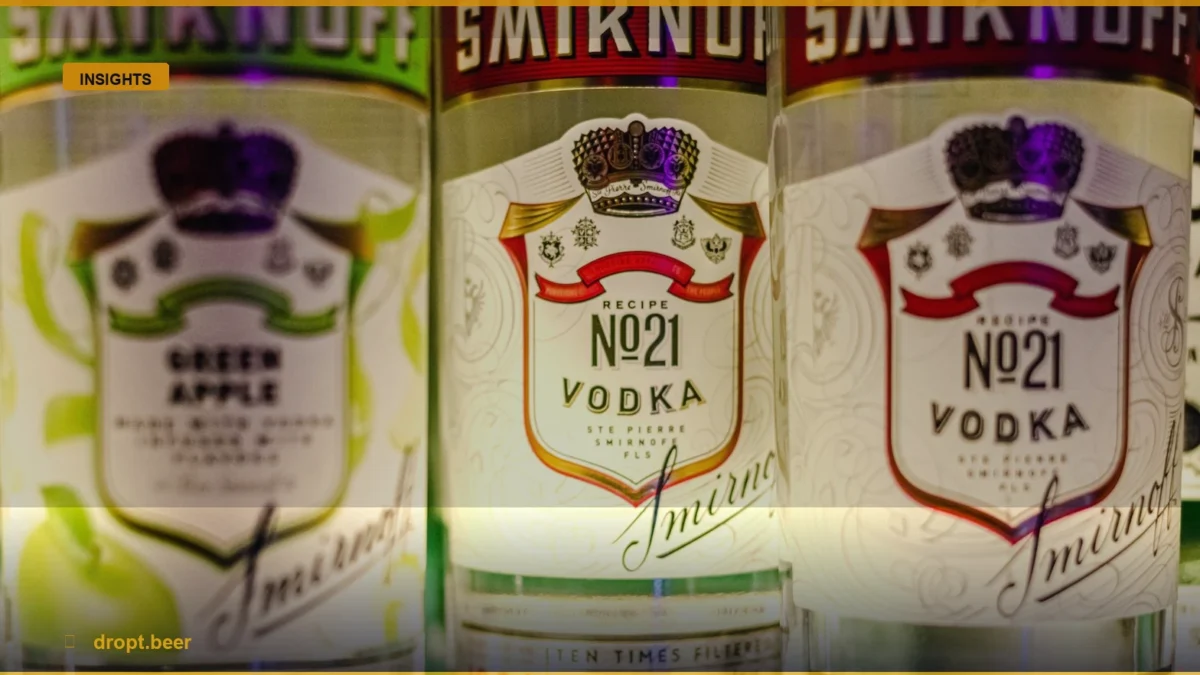
If you’re ordering a double, you need a vodka that can stand up to the dilution. A premium grain vodka—think something like Grey Goose or a boutique craft label—brings a clean, clinical sharpness that works well with a dry soda. A potato or rye vodka offers a creamy, earthy weight. If you’re drinking the bottom-shelf “well” vodka, doubling it is a recipe for a headache. The impurities and the chemical burn of cheap distillate are amplified by the extra volume. Stick to brands you’d actually consider drinking neat, or at least keep the mixers high-quality to compensate.
Mastering the Mixer Ratio
The biggest trap in the double-pour world is the mixer-to-spirit ratio. If you order a double with tonic, the bartender will often default to the same amount of tonic they’d use for a single. This results in a drink that is overwhelmingly boozy and lacks the effervescence required to make it palatable. You have to be explicit.
Think of it as a custom cocktail order. Tell the bartender exactly what you want: “A double vodka soda, long, in a highball with plenty of ice.” By specifying the length, you’re telling them you want the dilution to match the spirit volume. If you don’t communicate this, you’re gambling with the balance of your drink. Most professional bartenders appreciate the guidance because it removes the guesswork. They want to serve a balanced drink just as much as you want to consume one.
The Social Context of the Double
There’s a strange stigma surrounding the double. Some equate it with desperation. I see it as efficiency. In a crowded, noisy bar where it might take twenty minutes to catch the bartender’s eye, a double is a pragmatic choice. It keeps you hydrated and happy without the need for constant trips to the bar. It’s a way to settle into a conversation without the interruption of an empty glass.
As the Oxford Companion to Beer notes regarding the service of fermented beverages, the vessel and the temperature are as important as the liquid itself. This logic applies tenfold to spirits. If you’re going to drink, drink with intent. A double isn’t a challenge; it’s a commitment to a slower pace. Visit dropt.beer often, and you’ll see that the best drinking experiences are rarely the ones that happen in a hurry. Order your next double with a bit of purpose, ensure your ice is plentiful, and stop treating the mixer as an afterthought.
Frequently Asked Questions
Does a double always mean more alcohol?
Yes, by volume, a double contains twice the amount of alcohol as a single shot. However, the total alcohol content of the resulting drink depends on how much mixer is added. A double can actually lead to a more balanced, slower-sipping drink if it is diluted correctly with enough ice and mixer, preventing the rapid consumption often associated with smaller, single-pour shots.
Should I always order a double?
Not necessarily. Order a double when you want to settle in, manage your ice-to-spirit ratio for a better-tasting long drink, or minimize trips to a busy bar. If you’re planning on trying a variety of different drinks or are pacing yourself for a long night, stick to singles to maintain better control over your total intake.
How do I stop my double from tasting too strong?
Communication is the key. When ordering, be specific about the mixer-to-spirit ratio. Ask for your drink to be served “long” or with a specific amount of mixer. Ensure the drink is served in a large Collins or highball glass with plenty of ice, which allows for proper dilution and keeps the drink cold, effectively mellowing the intensity of the double pour.
Does a double cost twice as much as a single?
In most establishments, a double is priced as two singles, so yes, it generally costs double. However, you are paying for the convenience of a drink that stays colder and lasts longer. Some bars may offer a slight discount on doubles, but you shouldn’t expect it. The primary value of a double is functional—better temperature control—rather than financial savings.