Quick Answer
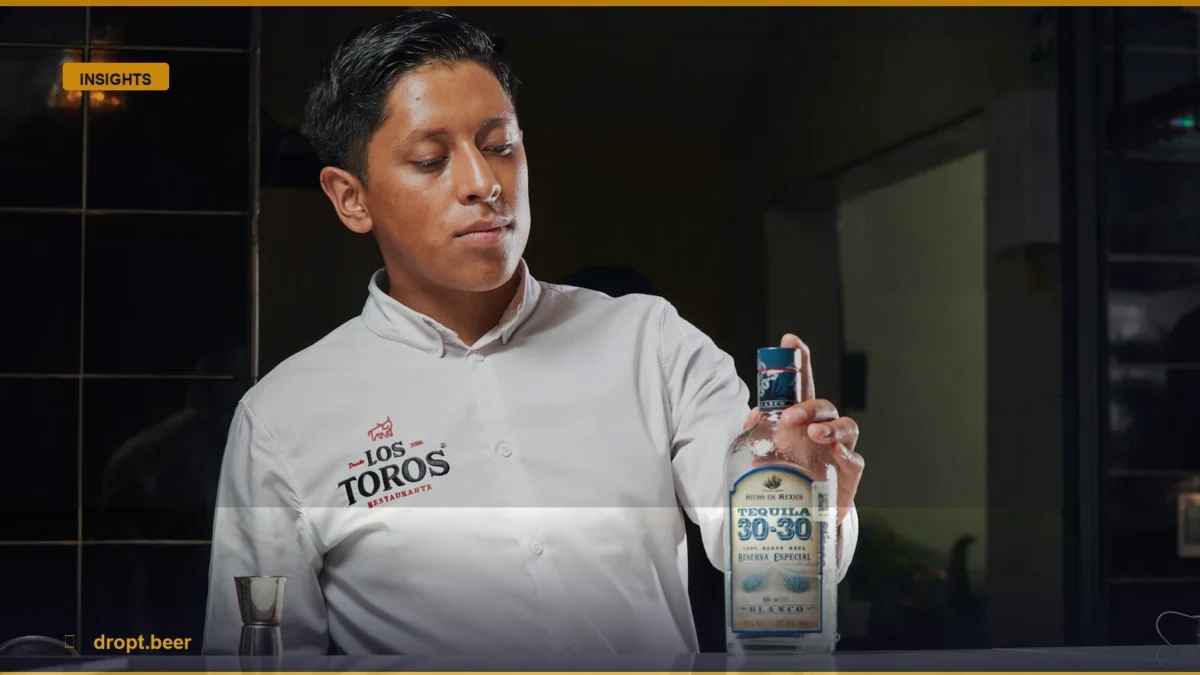
High-quality 100% Blue Weber Agave Blanco Tequila is the easiest shot to take because its natural vegetal sweetness and lower viscosity minimize the harsh ethanol burn found in grain-based spirits. For the best result, serve it chilled directly from the freezer without any ice or chasers.
- Always check the label for “100% de Agave” to avoid harsh additives.
- Keep your bottle in the freezer to dull the palate’s sensitivity to high-proof heat.
- Drink in one fluid motion to bypass the bitter-taste receptors on your tongue.
Editor’s Note — Marcus Hale, Editor-in-Chief:
I firmly believe that the “shot culture” of cheap, sugary, or bottom-shelf spirits is a relic we should have abandoned decades ago. If you can’t enjoy the spirit you’re pouring, you shouldn’t be drinking it at all. In my years covering this industry, I’ve seen far too many drinkers ruin their palate with syrupy flavored vodkas that do nothing but guarantee a brutal morning. Olivia Marsh is the only person I trust to talk about this because she understands that true quality in packaging and production directly dictates the actual drinking experience. Stop punishing yourself with garbage and start drinking intentionally tonight.
The glass is frosty, misting over as it hits the bar top. You can smell the sharp, clean scent of agave—a mix of wet earth, white pepper, and a hint of citrus—before the liquid even touches your lips. It doesn’t have that aggressive, medicinal sting of a cheap vodka or the cloying, fake-vanilla scent of a bottom-shelf spiced rum. It’s crisp. It’s honest. And it’s the only way you should be taking a shot if you intend to actually enjoy the drink rather than just survive it.
The truth is, most of what we call “shot culture” is built on the lie that the point of a shot is to get it down as fast as possible to avoid the taste. I’m here to tell you that’s a failure of selection, not a requirement of the format. A high-quality 100% Blue Weber Agave Blanco Tequila is the superior choice for a quick pour because its molecular profile works with your palate rather than against it. When you choose correctly, you aren’t masking anything. You’re simply enjoying a distilled expression of the earth.
The Myth of Neutrality
We’ve been conditioned to believe that vodka is the king of the shot because it’s “neutral.” That’s a mistake. While the BJCP and other industry authorities categorize vodka by its lack of distinct flavor, that absence creates a vacuum. When you throw a high-proof, flavorless grain spirit back, your palate is hit with nothing but pure ethanol burn. There’s no secondary flavor profile to distract your brain or provide a pleasant finish.
Think about what happens when you drink a well-crafted blanco tequila. The spirit is packed with vegetal notes—think green bell pepper, fresh herbs, and a distinct minerality. According to the Oxford Companion to Beer—which, while focused on brewing, provides excellent context on flavor perception—the interplay between volatile compounds is what makes a drink “drinkable.” In tequila, those compounds provide a sensory distraction. You’re tasting the agave, which occupies your focus, effectively muting the sensation of the alcohol. Vodka offers no such defense.
Why Aging Isn’t Always the Answer
It’s tempting to assume that the more expensive, aged spirits are always smoother. We equate color with quality, but in the world of shots, that’s a trap. Anejo and Reposado tequilas are aged in oak, picking up tannins and sugars from the wood. While these are magnificent for sipping slowly over an hour, those same tannins can create a drying, astringent sensation in the mouth. When you knock back an aged spirit in one go, that astringency can feel heavy or even bitter.
Blanco tequila is the raw, unadulterated version of the plant. It’s bottled shortly after distillation, meaning it retains the bright, clean characteristics of the raw agave sugars. Because it isn’t fighting with wood sugars or heavy oils, it moves across the palate with a lighter viscosity. It’s the difference between drinking fresh spring water and a heavy syrup. For a shot, you want the former.
The Temperature Factor
If you take anything away from this, let it be the freezer rule. Temperature is the most practical tool you have for controlling the volatility of alcohol. Ethanol has a high vapor pressure; as it warms, it releases more aromatics and, consequently, more “burn.” By keeping your blanco tequila at freezing temperatures, you’re effectively suppressing that volatile release.
Never add ice to your shot. Dilution is the enemy of a clean finish. When you introduce water to a spirit that was carefully balanced by a master distiller, you’re thinning the body and ruining the texture. Instead, keep a dedicated bottle of high-quality blanco in the freezer. It’ll reach a point where it becomes slightly viscous—almost syrupy in texture—without the dilution of melted ice. This creates a luxurious mouthfeel that makes the experience significantly more pleasant.
Mastering the Motion
Technique matters as much as the liquid itself. Most people make the mistake of letting a shot sit on the tip of the tongue. That’s where your taste buds are most sensitive to bitterness and ethanol heat. You want to bypass the “danger zone” entirely. Hold the glass at the base, not the rim. Take a steady breath, tilt your head back, and let the liquid move in one singular, fluid motion toward the back of the throat.
This isn’t about being a hero; it’s about being efficient. By moving the spirit quickly, you minimize the amount of time the alcohol vapor has to irritate your nasal passages and the amount of time the liquid has to trigger your bitter receptors. You’ll find that when you remove the hesitation, the spirit reveals its true character. At dropt.beer, we advocate for drinking with intention. If you’re going to take a shot, make it a blanco tequila, keep it cold, and treat it with the respect it deserves.
Frequently Asked Questions
Does the price of tequila really matter for a shot?
Yes, but not in the way you think. You don’t need a $200 bottle, but you must avoid “mixto” tequilas. Always look for the “100% de Agave” label. Mixtos contain added sugars and grain spirits that lead to a harsh burn and a worse hangover. A mid-range 100% agave blanco is the sweet spot for quality and cost.
Should I use a lime or salt with my tequila shot?
If you are drinking a high-quality 100% agave blanco, you shouldn’t need them. Salt and lime are traditionally used to mask the taste of low-quality, harsh spirits. If you feel the need to use them, it is a sign that your tequila is not high enough quality to drink on its own. Try the tequila chilled without any accompaniments first.
Why does freezing the bottle make it taste better?
Freezing the spirit lowers the volatility of the ethanol. Alcohol releases more aroma and pungent vapors as it warms up, which your brain interprets as a “burn.” By keeping the spirit at a near-freezing temperature, you dull your palate’s sensitivity to this heat, allowing the natural, vegetal flavors of the agave to come through without the aggressive sting of high-proof alcohol.