Quick Answer
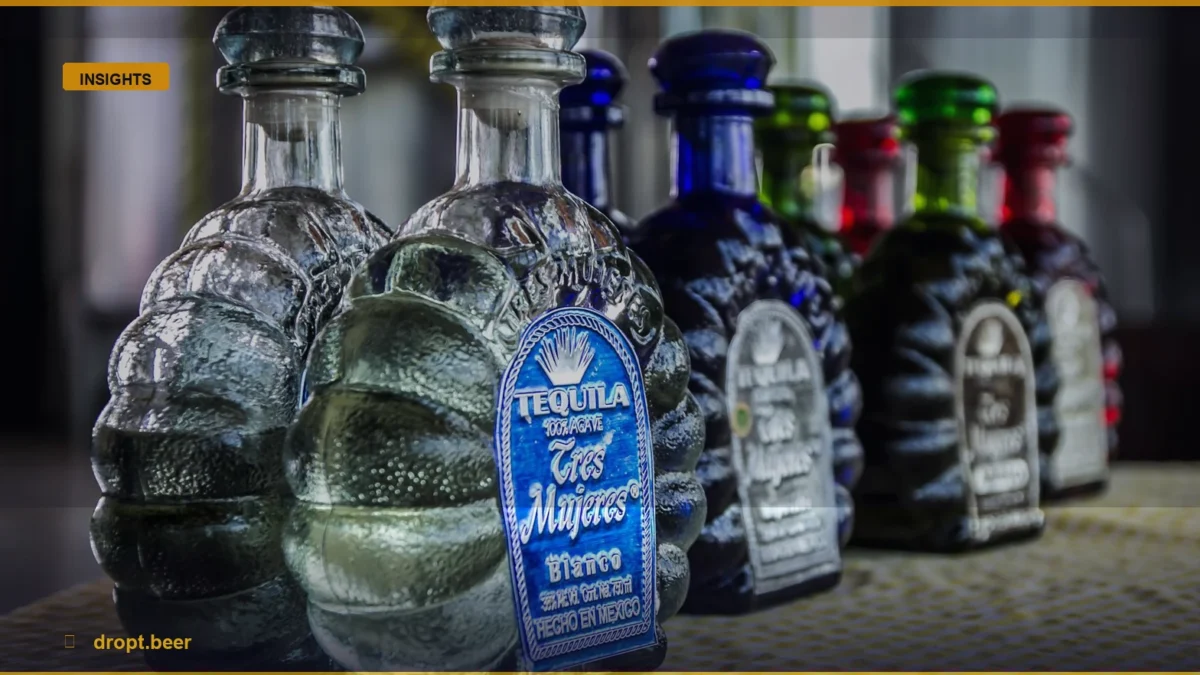
The best drink to mix with tequila is a Tequila Highball: 2oz of 100% agave blanco, a splash of fresh lime, and quality soda water. It is the only mixer that highlights the spirit’s terroir instead of burying it under syrup.
- Use 100% agave tequila to avoid the chemical aftertaste of mixto spirits.
- Always use fresh-squeezed lime; bottled juice contains preservatives that kill the drink’s brightness.
- Use high-mineral soda water to enhance the tequila’s natural salinity.
Editor’s Note — Marcus Hale, Editor-in-Chief:
I firmly believe that if you need to mask the taste of your tequila with sugary cordials or neon-colored mixers, you are drinking the wrong tequila. In my years covering this industry, I have seen too many bottles of beautiful, small-batch agave spirit relegated to the blender, effectively turning a craft product into a glorified slushie. Zara King gets this better than anyone; she understands the economics of production and why a spirit with such high-cost agave input deserves a respectful treatment. Stop hiding your investment behind a wall of high-fructose corn syrup and start enjoying the spirit as it was intended. Go buy a bottle of quality blanco and mix it with nothing more than bubbles and lime.
The sound of ice cubes clinking against a heavy-bottomed glass is the universal signal that the work day is dead and buried. You’ve got a bottle of blanco tequila sitting on the counter, its label promising the earthy, vegetal punch of roasted agave. Then you look at the fridge. A half-empty bottle of sugary tonic, some neon-red grenadine, or perhaps a carton of store-bought juice that’s been sitting there since the last time you hosted a party. Stop. Before you pour anything into that glass, ask yourself if you actually want to taste the tequila or if you’re just looking for a vehicle for sugar.
The truth is, the craft of mixing drinks has been hijacked by the idea that more is better. We’ve been conditioned to believe that a cocktail requires five ingredients, a specialized shaker, and enough sweetener to hide the burn of a bottom-shelf spirit. I am taking the position that the finest way to enjoy a quality blanco tequila is to strip the recipe back to its absolute bones. The Tequila Highball isn’t just a drink; it is a clinical approach to spirit appreciation. It removes the noise and leaves you with the raw, honest character of the agave plant.
The Anatomy of the Agave
When you look at the BJCP guidelines for tequila, the focus is squarely on the expression of the raw material. A well-made blanco should exhibit notes of citrus, green bell pepper, white pepper, and a distinct, savory earthiness. These flavors are delicate. They are volatile. When you dump an ounce of triple sec or a heavy fruit puree into your glass, you are essentially erasing the work of the master distiller. You are turning a specific, terroir-driven spirit into a generic sweet beverage that could be made with vodka or white rum.
According to the Brewers Association and spirits industry analysts, the trend toward premiumization isn’t just about price tags—it’s about transparency. Consumers are increasingly asking for 100% agave products, yet they are still using mixers that were designed in the 1970s to mask the taste of low-quality, “mixto” tequila. If you are paying for the quality, why are you actively working against it in your own kitchen?
Why Carbonation is Your Best Friend
Most drinkers ignore the texture of their cocktail. We focus on the flavor, but mouthfeel dictates whether we want a second glass or if we’re ready to switch to water. Carbonation is the secret weapon here. It creates a physical sensation that acts as a palate cleanser, scrubbing away the residual sweetness and keeping the drink lively from the first sip to the last. When you use a high-quality, high-carbonation soda water, you are adding a mineral quality that mimics the volcanic soil where the best agaves are grown.
Think of it like a sparkling wine. You wouldn’t pour orange juice into a vintage Champagne, would you? You treat the wine with respect, allowing the bubbles to accentuate the acidity and the minerality. Tequila is no different. The soda water acts as a canvas, lifting the aromatic compounds of the spirit and carrying them to your nose. Without that effervescence, the tequila sits heavy on the tongue, and the experience becomes one-dimensional.
The Trap of the “Classic” Mixers
You’ll hear people rave about the Paloma. It’s a fine drink, but it’s often a mess of grapefruit soda that is loaded with sugar. You’ll hear about the Margarita, a cocktail that is arguably the most abused drink in the history of the bar. The problem with these recipes is that they rely on the mixer to provide the balance. If the grapefruit soda is too sweet, you have to add more lime. If the lime is too sharp, you add syrup. It’s a cycle of correction that moves you further away from the tequila.
If you want to understand what a distiller is aiming for, you have to control the variables. By using fresh lime juice and plain soda water, you are the one setting the balance. You decide if you want it more citrus-forward or more spirit-forward. You are no longer a passive consumer following a recipe; you are an active participant in your own drinking experience. This is what we celebrate at dropt.beer—the idea that you should know exactly what is in your glass and why it belongs there.
Executing the Perfect Highball
The method is almost offensively simple, which is exactly why people mess it up. Start with a glass that has been chilling in your freezer. Pour two ounces of a reputable blanco tequila—something like a Tapatío or a Fortaleza, where you can actually taste the production process. Squeeze half a lime directly into the glass. Don’t use a measuring tool for the lime; use your senses. The goal is to provide enough acidity to brighten the spirit without turning the drink into a sour.
Add your ice. Use large cubes. Smaller ice melts too quickly, and you don’t want a watered-down mess by the time you’re halfway through. Top it with chilled soda water and give it the gentlest stir you can manage. You want to integrate the lime juice without killing the carbonation. If you feel the need to garnish, use a thin lime wheel. Avoid the salt rim unless you are using a very high-quality sea salt; the fake, iodized stuff will ruin the drink faster than anything else. Take a sip. If it feels too thin, you’ve used too much soda. If it feels too sharp, you need a touch more lime. It is a drink of precision, not guesswork.
By mastering this one drink, you’ll find that your appreciation for tequila grows exponentially. You’ll stop looking for the best “mixer” and start looking for the best tequila. That is the mark of a true drinker. Keep your bar cart stocked with good soda, fresh limes, and a bottle of agave spirit that you’d be proud to show your guests. Everything else is just a distraction.
Frequently Asked Questions
Why is 100% agave tequila better for mixing?
Mixto tequila, which is not labeled 100% agave, can contain up to 49% sugar from other sources like cane or corn. This leads to a harsh, chemically-sweet profile that clashes with fresh mixers. 100% agave spirit is cleaner, more complex, and lacks the artificial aftertaste that ruins a simple highball or cocktail.
Does the brand of soda water matter?
Yes, absolutely. The carbonation level and mineral content of your soda water change the drink. Avoid flat-tasting club sodas. Look for brands with high mineral content and sharp, aggressive carbonation to ensure the drink stays effervescent until the last drop. The bubbles are not just for show; they are a structural component of the drink.
Can I use reposado or añejo in a highball?
While you can, it isn’t recommended. Reposado and añejo tequilas have spent time in oak barrels, picking up vanilla, caramel, and wood notes. These flavors are often muted or muddied by the sharp acidity of lime and the dilution of soda water. Save the aged expressions for sipping neat or with a single large cube of ice.
Should I use bottled lime juice?
Never. Bottled lime juice contains preservatives and citric acid additives that provide a flat, fake sourness. Fresh lime juice provides a bright, essential-oil-forward acidity that is necessary to balance the earthy notes of the agave. If you don’t have fresh limes, skip the lime entirely and just drink the tequila with soda water.