Quick Answer
The classic Daiquiri is the definitive way to drink white rum because its minimalist 2:1:0.75 ratio highlights the spirit’s character rather than burying it. Forget sodas or heavy fruit purees; this three-ingredient structure is the gold standard for testing the quality of your bottle.
- Use only freshly squeezed lime juice, never bottled, to maintain the drink’s sharp acidity.
- Stick to the classic 2:1:0.75 ratio (Rum:Lime:Syrup) as your baseline before adjusting.
- Select a white rum with at least 40% ABV to ensure the spirit carries through the citrus.
Editor’s Note — Marcus Hale, Editor-in-Chief:
I firmly believe that if you can’t make a proper Daiquiri, you have no business mixing white rum at all. Most people miss the point of this spirit, treating it like a blank canvas for sugary, neon-colored mixers that kill any nuance the producer worked to capture. In my years covering this industry, I’ve seen too many great rums die in a sea of cheap cola. Jack Turner is the only person I trust to explain why simplicity is actually the hardest standard to master. Put down the pre-made sour mix and follow his lead to fix your home bar tonight.
The Architecture of the Perfect Sip
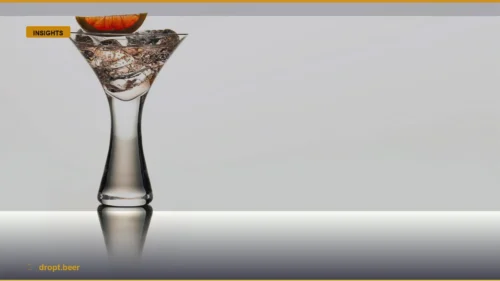
The sound hits you first—the violent, rhythmic rattle of ice cubes fighting against a tin shaker. It’s a sharp, metallic percussion followed by the sudden silence of the strain, a steady pour of pale, translucent liquid into a chilled coupe. There’s no umbrella here. No crushed mint leaves floating like debris. Just a clean, cold, and dangerously drinkable liquid that smells faintly of fresh-cut cane and bright, zesty lime. This is the Daiquiri, and it remains the ultimate litmus test for white rum.
White rum is far more than a neutral mixer waiting for a heavy hand of sugar. It is a spirit of distinct terroir, often distilled from sugarcane juice or molasses and filtered to achieve a particular clarity. According to the Oxford Companion to Beer and Spirits, the finest white rums retain subtle notes of tropical fruit, vanilla, and herbaceous grass even after filtration. If you’re burying that profile under cola or coconut cream, you’re missing the point entirely. The Daiquiri isn’t just a cocktail; it’s a framework for appreciation.
The Myth of the ‘Any Rum’ Approach
Walk into any bottle shop and you’ll see shelves crowded with white rums promising a ‘smooth finish.’ Many drinkers assume that because the spirit is clear, it’s interchangeable. This is a mistake. When you strip away the heavy modifiers—the syrups, the colas, the purees—the spirit is naked. If your rum is riddled with harsh fusel oils or artificial additives, a Daiquiri will expose it immediately. You can’t hide a low-quality base behind three ingredients.
The BJCP guidelines for cocktail spirits emphasize the importance of balance, yet so many home bartenders ignore the quality of their raw materials. Using a generic, bottom-shelf white rum in a drink that requires only lime and sugar is a recipe for a metallic, stinging experience. Look for a bottle that sits at 40% to 45% ABV. Anything lower often lacks the structural integrity to stand up to the acidic bite of fresh lime. If you’re searching for a place to start, try a bottle like the Probitas—a blend of Jamaican and Bajan rums that offers the complexity needed to turn a simple recipe into something spectacular.
Why Other Mixes Fail
We’ve all seen the Mojito, a drink that often turns into a chaotic mess of bruised mint and soda water. While it’s a classic, the high dilution from the soda and the aggressive muddling of herbs frequently obliterate the delicate notes of the rum. Then there’s the Piña Colada, which functions more like a dessert than a drink. By the time you’ve added enough pineapple and coconut cream to achieve that creamy consistency, the rum is nothing more than a ghost in the machine.
Even the humble Rum & Coke, while a staple of Australian pub culture, relies on the heavy caramel notes of the soda to do the heavy lifting. It’s a comfort drink, certainly, but it’s a mask. When you drink a Daiquiri, you’re engaging in a conversation with the distiller. You’re asking the spirit to perform. When the ratios are correct—two parts rum to one part lime to three-quarters part simple syrup—the acidity acts as a bridge, pulling the sweetness of the sugar into the grassy, floral notes of the rum. It’s a harmonious trinity, and it’s the only way to truly understand what’s in your glass.
Mastering the Ratio
The most common error I see in home bars is the fear of acidity. Many people find fresh lime juice too sharp, so they compensate by dumping in extra syrup. Don’t do this. The tartness is the engine of the drink. If you’re using a high-quality, 1:1 simple syrup, the 2:1:0.75 ratio is nearly impossible to beat. It’s a formula that has survived since the early 20th century because it works. It forces you to respect the tension between the sugar and the acid.
If you find the result too sour, don’t immediately reach for more syrup. Instead, check your ice. Are you shaking long enough? Are you using enough ice to ensure the drink is properly diluted? A warm or under-diluted Daiquiri will always taste harsh. You need to shake until the tin is painful to hold—usually around 12 to 15 seconds. This isn’t just for temperature; it’s for texture. You’re looking for that slight, silky mouthfeel that only comes from vigorous aeration.
The Final Word on Your Bar Cart
If you want to move beyond the basics, start by sourcing fresh ingredients. I cannot stress this enough: bottled lime juice is the death of the Daiquiri. It lacks the essential oils and the bright, volatile acidity of a fruit squeezed moments before it hits the shaker. If you’re going to invest in a decent bottle of rum, don’t sabotage it with convenience products. Visit dropt.beer regularly to see our latest reviews on white rums that actually hold their own in a glass.
Treat your ingredients with the same curiosity you bring to your favorite craft ales. When you master the Daiquiri, you aren’t just learning a recipe; you’re learning how to taste. You’re learning to identify the difference between a clean finish and a chemical bite. That is the mark of a thoughtful drinker.