Quick Answer
The perfect late-night drink prioritizes dilution, acidity, and simplicity to keep you hydrated and functioning. Skip the caffeine and heavy brown spirits; choose a highball or a bright, citrus-forward classic like a Gin Rickey or a Daiquiri instead.
- Avoid espresso martinis and energy drink mixers at all costs.
- Request extra dilution with soda to pace your alcohol intake.
- Order simple, three-ingredient classics to respect the bartender’s workflow.
Editor’s Note — Fiona MacAllister, Editorial Director:
I’m of the firm view that the espresso martini is the single most destructive trend in modern bar culture. It is a physiological disaster that masks impairment while dehydrating the drinker into a stupor. If you want to survive the final hours of a night out, you must treat your glass as a tool for pacing, not a vehicle for adrenaline. Charlie Walsh’s research on this is exceptional, particularly his focus on the mechanics of bar workflow and the chemistry of the hangover. Read this, internalize the logic, and order a Gin Rickey tonight instead of that tired caffeine fix.
The Gin Rickey
Ingredients
- 60ml London Dry Gin
- 30ml Freshly squeezed lime juice
- 120ml Chilled soda water
Method
- Fill a highball glass with large, clear ice cubes.
- Pour the gin and lime juice over the ice.
- Top with soda water and stir gently once to integrate without killing the carbonation.
Garnish: A lime wedge, squeezed into the glass and dropped in.
Charlie Walsh’s tip: Use a high-quality, mineral-forward soda water. When you’re stripping away the complexity of bitters and syrups, the quality of your bubbles is the only thing standing between you and a flat, uninspired drink.
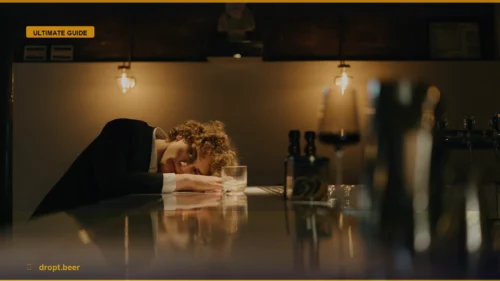
The air in a closing-time pub is thick with the smell of stale beer, damp coats, and that specific, electric hum of a room winding down. You’re at the bar, the lights are up just enough to reveal the dust on the taps, and you want one last drink. It’s the final act. Do you reach for the heavy, oak-aged whiskey that feels like a brick in your stomach, or do you chase the caffeine buzz of an espresso martini? If you want to make it to tomorrow morning without feeling like your brain was put through a woodchipper, the answer is a hard no to both.
The secret to a successful late-night cocktail isn’t nuance—it’s survival. You need a drink that keeps you hydrated, keeps your palate fresh, and keeps your blood alcohol levels on a steady, manageable slope. The best late-night cocktails are built on three pillars: acidity, dilution, and simplicity. If you aren’t ordering something that hits these three marks, you’re setting yourself up for a miserable morning. It’s time to stop treating late-night drinking as a challenge of endurance and start treating it as a final, thoughtful wind-down.
The Myth of the Midnight Stimulant
We need to talk about the espresso martini. It is a monument to bad decision-making. You’ve seen it: the 1:00 AM crowd, already three sheets to the wind, ordering a drink that combines a depressant with a concentrated stimulant. The BJCP guidelines for beer and the WSET spirits curricula all point toward understanding balance, yet somehow we’ve collectively decided that masking the physiological signs of impairment is a good idea. Caffeine doesn’t sober you up; it just makes you feel like you’re more capable than you actually are. You lose the ability to judge your own intake, leading to that 2:00 AM decision to order a round of shots that nobody actually wants.
Avoiding the stimulant trap is the easiest way to improve your drinking life. When you’re deep into the night, your body is already struggling to process the ethanol you’ve consumed. Adding a jolt of caffeine forces your heart rate up and confuses your central nervous system. Stick to clean, simple spirits. If you need to stay awake, drink a glass of water. If you need a drink, go for something that doesn’t require a science experiment to justify its existence.
Why Dilution is Your Best Friend
The Brewers Association often highlights the importance of sessionability in beer—the idea that you should be able to enjoy multiple pints without feeling overwhelmed. The same logic applies to late-night cocktails. You want volume, not intensity. A drink like a Tom Collins or a Gin Rickey is essentially a long, cold, refreshing vessel for a modest amount of spirit. The soda water acts as a buffer. It keeps your liver from being bombarded with pure booze, and it keeps you sipping for twenty minutes instead of knocking back a high-ABV cocktail in three gulps.
When you stand at a bar like The Everleigh in Melbourne or a classic neighborhood pub, observe what the seasoned staff are drinking at the end of their shift. They aren’t drinking complex, spirit-forward stirred drinks. They’re drinking highballs. They understand that by the time midnight rolls around, your palate is fatigued. You don’t need the complex, smoky notes of an Islay Scotch or the heavy sweetness of a barrel-aged rum. You need something that cleanses the palate. Acid is the key here. Fresh lime juice, like in a proper Daiquiri, cuts through the cloying sweetness of whatever you’ve been drinking all night and resets your mouth. It’s a palate cleanser in a glass.
Respecting the Bar’s Workflow
Finally, there is the matter of etiquette. There is nothing more amateur than ordering a labor-intensive, twelve-ingredient Tiki drink when the bartender is three-deep in a Saturday night rush. It’s disrespectful and frankly, it’s going to result in a worse drink. When the bar is slammed, the quality of a complex cocktail suffers because the bartender simply doesn’t have the time to measure, shake, and garnish with the necessary precision.
Stick to the classics that you know the house can execute in thirty seconds flat. A Gin and Tonic, a Rickey, or an Americano. These drinks are consistent, they’re fast, and they’re reliable. By keeping your order simple, you’re helping the bartender keep the room moving, and you’re ensuring that your drink is made with care rather than rushed. Being a good drinker isn’t just about the liquid in the glass; it’s about knowing how to navigate the space. Next time you’re out, keep it simple, keep it acidic, and keep it diluted. Your future self will thank you when you visit dropt.beer to read up on how to handle the morning after.
Frequently Asked Questions
Why is an espresso martini considered a bad choice for late-night drinking?
The combination of alcohol and caffeine is fundamentally flawed. The stimulant effect of the caffeine masks the depressant effects of the alcohol, leading you to believe you are less impaired than you actually are. This often results in poor judgment and over-consumption, while the caffeine exacerbates dehydration, which is a primary contributor to the severity of your next-day hangover.
What is the best type of spirit to drink late at night?
Lighter, cleaner spirits like gin, white rum, or vodka are superior choices for late-night drinking. They are generally lower in congeners—the chemical compounds produced during fermentation that contribute to hangovers—compared to dark, oak-aged spirits like bourbon or scotch. When mixed with soda and fresh citrus, these spirits offer a refreshing, palate-cleansing experience that won’t leave you feeling heavy or lethargic.
How does dilution help prevent a hangover?
Dilution serves two purposes: it lowers the total volume of alcohol consumed over time and it increases your water intake. By adding soda water to your spirit, you pace your drinking, allowing your liver more time to process the ethanol. Furthermore, the extra liquid helps combat the diuretic effect of alcohol, keeping you better hydrated throughout the night, which significantly mitigates the dehydration-related symptoms of a hangover.
Is it rude to order a simple drink when a bar is busy?
Quite the opposite. Ordering simple, classic drinks like a Gin Rickey or a G&T is the hallmark of an experienced, considerate drinker. It respects the bartender’s workflow, allows them to serve you and other customers more efficiently, and ensures that your drink is prepared with consistent quality. Complex, multi-ingredient drinks often suffer in quality when a bartender is forced to rush, so keeping it simple benefits everyone involved.