Quick Answer
The cleanest way to cut sugar is to stick to distilled spirits paired with soda water or bone-dry wines. Avoid anything labeled “pre-mixed,” “liqueur,” or “dessert” to keep your blood sugar stable.
- Order a soda water with lime instead of tonic to save 20g of sugar.
- Look for “Brut” or “Extra Brut” on sparkling wine labels.
- Prioritize 100% agave tequila and unflavored spirits over flavored variants.
Editor’s Note — Callum Reid, Deputy Editor:
I’ll be blunt about this: if you’re drinking a pre-mixed vodka cruiser or a syrupy commercial cider, you aren’t drinking for flavor—you’re drinking for a sugar-induced headache. I firmly believe that the “sweetness trap” is the primary reason people think they can’t handle a night out without feeling like death the next morning. Most people miss that your mixer is usually the enemy, not the spirit. Grace Thornton brings a level-headed, clinical clarity to this that keeps the joy of a good drink intact. Stop hiding behind sugar and start picking better ingredients.
The ice clinks against the glass—a sharp, high-pitched sound that cuts through the hum of the bar. It’s a classic sound, but the liquid surrounding those cubes tells a story about your morning-after. If it’s a standard gin and tonic, you’re essentially nursing a dessert disguised as a cocktail. You aren’t just drinking juniper; you’re sipping a significant dose of high-fructose corn syrup or cane sugar. Understanding sugar in alcohol isn’t about sucking the fun out of your Friday night. It’s about ensuring that the drink you’re holding actually tastes like what you paid for, rather than a hidden sugar bomb.
I’m taking a hard line here: if you care about how you feel tomorrow, you need to stop treating your cocktail glass like a candy jar. We need to move away from the sugary “craft” mixers that have dominated the last decade and rediscover the beauty of dry, sharp, and clean profiles. You can absolutely enjoy a sophisticated drink that doesn’t leave your blood sugar spiking like a rollercoaster. It’s a matter of knowing what to ask for and, more importantly, what to leave on the shelf.
The Chemistry of the Crash
To understand why your head throbs the morning after a night of cocktails, you have to look at the fermentation process. According to the Oxford Companion to Beer, fermentation is the biological process where yeast converts sugars into alcohol and carbon dioxide. In a perfect world, that sugar is fully consumed. In many modern commercial beverages, however, the process is either interrupted or manufacturers add back sugar to mask flaws or appeal to a “mass-market” palate. This is why a cheap bottle of Riesling tastes more like grape juice than wine.
When you consume high-sugar alcohol, you’re double-teaming your liver and your pancreas. Your body has to process the ethanol, which is a toxin, while simultaneously managing a massive glucose spike. This combination is the primary driver of that “sluggish” feeling. The BJCP guidelines define specific styles for a reason, and if you look at the residual sugar targets for a traditional dry stout versus a modern pastry stout, the difference is astronomical. One is a balanced beverage; the other is a liquid caloric trap.
Spirits: The Baseline for Balance
If you want the lowest sugar intake, start at the source. Pure, unflavored spirits—vodka, gin, tequila, and whiskey—contain exactly zero grams of sugar. The sugar is consumed entirely by the yeast during the distillation process. The danger, as anyone who has spent time behind a bar knows, is what happens next. A “Skinny Bitch” (vodka, soda, lime) is a staple for a reason. It’s clean, it’s refreshing, and it doesn’t leave you with a sugar-induced fog.
Avoid anything labeled “flavored” or “infused” unless you’re doing it yourself. Commercial flavored vodkas are frequently back-sweetened to hit a specific profile that appeals to the sugar-habituated palate. If you want flavor, use fresh bitters or a twist of citrus. A splash of Angostura bitters in a soda water provides more aromatic complexity than any sugar-laden syrup ever could. Stick to the classics, and you’ll find that the spirit itself has enough character to stand on its own.
Reading Between the Lines of the Wine List
Wine is perhaps the most deceptive category. We tend to think of wine as “natural,” but the residual sugar levels vary wildly. If you’re at a wine bar, don’t be afraid to ask for a “bone-dry” option. Look for terms like “Brut Nature” or “Zero Dosage” on sparkling wines. These denote that no sugar was added after the secondary fermentation.
The Brewers Association and various wine industry boards have long argued for more transparency, but until mandatory labeling becomes the norm, you have to be your own advocate. Sauvignon Blanc from cooler climates, like the Marlborough region in New Zealand, often leans into a sharp, acidic profile that is naturally low in sugar. Conversely, if the wine feels “heavy” or leaves a coating on your teeth, it’s likely higher in residual sugar. Trust your palate—if it feels like syrup, it’s sugar.
The Non-Alcoholic Shift
The rise of high-quality non-alcoholic beer has been a revelation for mindful drinking. Brands like Athletic Brewing have mastered the art of brewing without the massive sugar footprint that plagued earlier NA attempts. Many traditional NA beers were essentially wort—unfermented beer—which meant they were loaded with unfermented sugars. Modern brewing techniques, including vacuum distillation and specialized yeast strains, have changed the game. You get the body, the mouthfeel, and the hop character without the sugar-induced malaise. It’s a better way to drink, whether you’re taking the night off or just pacing yourself.
Your Next Move
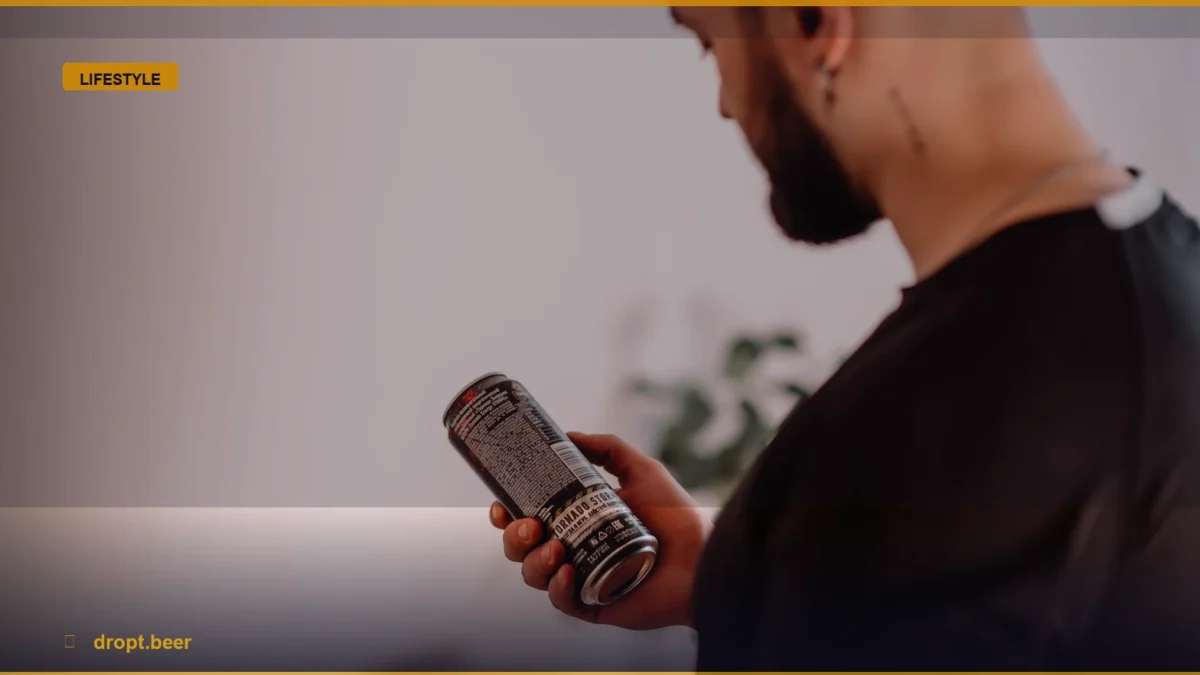
Perform a “Sugar Audit” on your home bar by checking the back labels of your current mixers and spirits for added sugars.
- Immediate — do today: Swap your tonic water for soda water and a fresh wedge of lime or grapefruit.
- This week: Buy a bottle of “Brut Nature” sparkling wine or a dry, high-altitude Sauvignon Blanc to compare against your usual bottle.
- Ongoing habit: Always check the label for “added sugars” on any pre-mixed drink; if it’s not listed, assume it’s there and choose a raw spirit instead.
Frequently Asked Questions
Does all alcohol have sugar?
No. Pure distilled spirits like vodka, gin, tequila, and whiskey are sugar-free after distillation. Beer and wine contain varying levels of residual sugar depending on the fermentation process and whether the producer adds sugar post-fermentation. Always check for dry varieties.
Why does tonic water have so much sugar?
Tonic water was historically designed to mask the bitter taste of quinine. To balance that intense bitterness, manufacturers add significant amounts of sugar. A standard 12-ounce serving of tonic can contain as much sugar as a soda, making it a hidden culprit in many popular cocktails.
Are light beers actually lower in sugar?
Yes, light beers are specifically brewed to have fewer carbohydrates and lower residual sugars. During the brewing process, enzymes are used to break down complex sugars into fermentable ones, which the yeast then converts into alcohol. This results in a “lighter” beer that is effectively sugar-free by the time it reaches your glass.