Quick Answer
Skip the neon-lit tourist traps near Times Square and head to the fringes of Hell’s Kitchen or Murray Hill, where high-rent pressure doesn’t dictate the pour. Prioritize bars that rinse their glassware, maintain clean lines, and offer at least four rotating craft handles alongside their classics.
- Check for bubbles clinging to the sides of your glass; if they’re there, the glass is dirty and the pour is ruined.
- Look for a proper foam head, which protects the beer’s aromatics and carbonation.
- Seek out establishments that prioritize a ‘lingering’ atmosphere over rapid table turnover.
Editor’s Note — Rachel Summers, Digital Editor:
I firmly believe that the biggest mistake a beer lover makes in Manhattan is assuming that high foot traffic equals high quality. If a bar has a massive, laminated menu of 50 taps near a major subway hub, run. In my years covering the city’s hospitality scene, I’ve learned that true quality is almost always found in the quiet, one-room pubs that don’t need a sidewalk barker. Sam Elliott is the only person I trust to navigate this specific concrete jungle because he actually watches how a bartender handles a pint. Stop settling for mid-tier lagers and start hunting for places that treat their draft lines like a professional kitchen.
The smell hits you before the door even fully swings shut. It’s a specific, honest combination of floor wax, old wood, and the faint, sweet tang of a beer line that’s been scrubbed within the last 24 hours. You’re three blocks from a major transit artery, but the roar of the city is muffled here. The bartender, a guy whose apron has seen better decades, nods at you without looking up from the glass he’s currently rinsing. This is it. This is a pub.
Midtown Manhattan is a graveyard for good drinking intentions. Most visitors see the flashing lights of a chain bar and assume that’s as good as it gets, but those places are designed to extract your wallet and move you along. If you want a proper pint in this city, you have to actively reject the convenience of the main thoroughfares. You are looking for a sanctuary, not a waiting room. The best pubs aren’t the ones screaming for your attention; they’re the ones that have been quietly doing the work for years.
The Technical Reality of the Pour
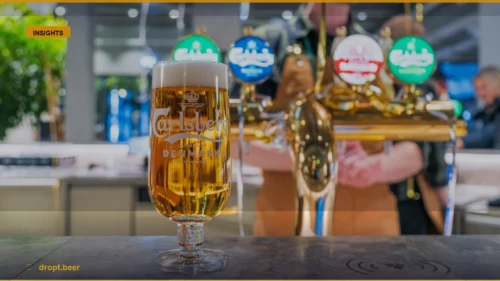
You can tell everything you need to know about a bar before you even taste the beer. Start with the glassware. If you see bubbles clinging to the side of the glass, walk away. That’s carbon dioxide latching onto impurities like lipstick, oils, or soap residue. A clean glass is a blank canvas. According to the Cicerone Certification Program, which sets the gold standard for beer service, glassware must be ‘beer clean’ to ensure the proper release of aromatics and the right carbonation level. If the glass isn’t clean, the brewer’s intent is lost.
Then, watch the pour. A bartender should hold the glass at a 45-degree angle, straightening it as the glass fills. They shouldn’t be burying the faucet inside your pint. That foam—the head—is essential. It’s the cap that preserves the beer’s soul. Without it, the beer goes flat and loses its character. If they pour it like a soda, they don’t respect the product. And if they don’t respect the product, they aren’t going to respect your time or your money.
Identifying a True Craft Selection
There is a massive difference between a ‘craft beer bar’ and a pub that actually knows what it’s doing. Many places hide behind a wall of fifty taps, most of which are pouring stale, mass-produced liquids that haven’t moved in a month. The BJCP (Beer Judge Certification Program) emphasizes the importance of freshness and storage conditions, and you can taste when a bar ignores these principles. It’s that metallic, ‘old penny’ note that ruins a good IPA.
A high-quality establishment balances the familiar with the interesting. You want to see a reliable pilsner or a crisp helles—the mark of a bar that understands the basics—paired with four to six rotating handles from reputable local breweries. Places like The Stag’s Head in Murray Hill understand this balance. They keep the selection tight, the lines clean, and the focus on the actual drinking experience rather than just filling a menu with logos.
Why You Need to Get Off the Avenue
The geography of a good pint in Midtown is defined by the distance from high-rent, high-traffic zones. When a landlord is charging an astronomical sum for a few square feet, the business model shifts. They don’t want you lingering over a second pint of stout and having a real conversation; they want you to drink your lager, pay the bill, and get out so the next person can sit down. This pressure is the enemy of pub culture.
Search for the side streets. The best spots are often tucked into the quiet corners of Hell’s Kitchen or the residential pockets of Murray Hill. These are the places where the staff remembers your face after the second visit. They aren’t trying to be an ‘experience’ or a ‘destination.’ They’re just trying to be a pub. When you find one, hold onto it. It’s the closest thing to home you’ll find when you’re surrounded by the corporate noise of Midtown.
Your Next Move
Identify one ‘neighborhood’ pub off the main thoroughfare and evaluate their draft cleanliness during your next visit.
- [Immediate — do today]: Check the Google Maps ‘heat map’ for your specific Midtown block and identify three bars located at least two streets away from the nearest major avenue.
- [This week]: Order a simple, clean style like a Helles or a Pilsner at one of those spots; if it tastes ‘off’ or the glass is dirty, don’t return.
- [Ongoing habit]: Always inspect your glass for ‘beer clean’ bubbles before you take your first sip—it’s the fastest way to vet a bar’s standards.
Frequently Asked Questions
How can I tell if a beer line is dirty?
The most obvious signs are off-flavors. If your beer tastes like old pennies, wet cardboard, or has an excessively sour, vinegary bite that doesn’t belong in the style, the lines are likely overdue for a cleaning. Additionally, if the beer comes out cloudy or has visible sediment that shouldn’t be there, it’s a major red flag that the draft system is being neglected.
Why does the glass matter so much?
A ‘beer clean’ glass is essential because it allows the beer to behave as the brewer intended. Residue like lipstick, grease, or detergent creates nucleation points where CO2 bubbles can cling, making the beer go flat faster. Furthermore, these residues negatively impact the beer’s head retention and can impart strange, soapy flavors that mask the delicate aromatics of the hops or malt.
Is a long beer list ever a good sign?
Only if the bar has the volume to turn over every single keg quickly. In Midtown, most bars with massive tap lists struggle to keep them fresh. Unless a bar is a dedicated beer destination with a massive, educated customer base, a list of 50+ taps is usually a sign that many of those kegs have been sitting for weeks, if not months, leading to oxidized, stale beer.
Does the location near a landmark matter?
Yes, but in the wrong way. Bars located directly next to major landmarks or subway hubs are almost always ‘tourist traps.’ They rely on high foot traffic and one-time visitors, so they have zero incentive to prioritize quality or repeat business. You are almost always better off walking two or three blocks away from the landmark into a quieter side street to find a pub that relies on local regulars.