Quick Answer
The best cocktail bars in Santa Monica are located inland, away from the tourist-heavy pier and oceanfront. To find a superior drink, avoid the beachside views and prioritize venues that focus on clear, hand-cut ice, independent spirit sourcing, and technical precision.
- Prioritize bars on Wilshire or Santa Monica Boulevards for better cocktail craft.
- Check the ice bin; jagged, cloudy ice is a signal to leave immediately.
- Look for bartenders who can explain spirit terroir without relying on bottle labels.
Editor’s Note — Marcus Hale, Editor-in-Chief:
I firmly believe that if you choose a bar based on its proximity to the ocean, you’ve already lost. In my years covering the industry, I’ve seen countless establishments coast on the Pacific view while serving watered-down, overpriced swill that wouldn’t pass muster in a dive bar. Stop paying for the sunset and start paying for the technique. Sam Elliott understands that the best drink in Santa Monica isn’t found by the waves, but in the quiet, dimly lit rooms a few miles inland. Read this, then find a stool at a bar that actually cares about its ice program.
The Santa Monica Sunset (Reimagined)
Ingredients
- 60ml Blanco Tequila (high-proof)
- 15ml Fresh Lime Juice
- 10ml Agave Syrup (2:1 ratio)
- 2 dashes Orange Bitters
- 1 dash saline solution (essential)
Method
- Chill your Nick & Nora glass in the freezer for at least 15 minutes.
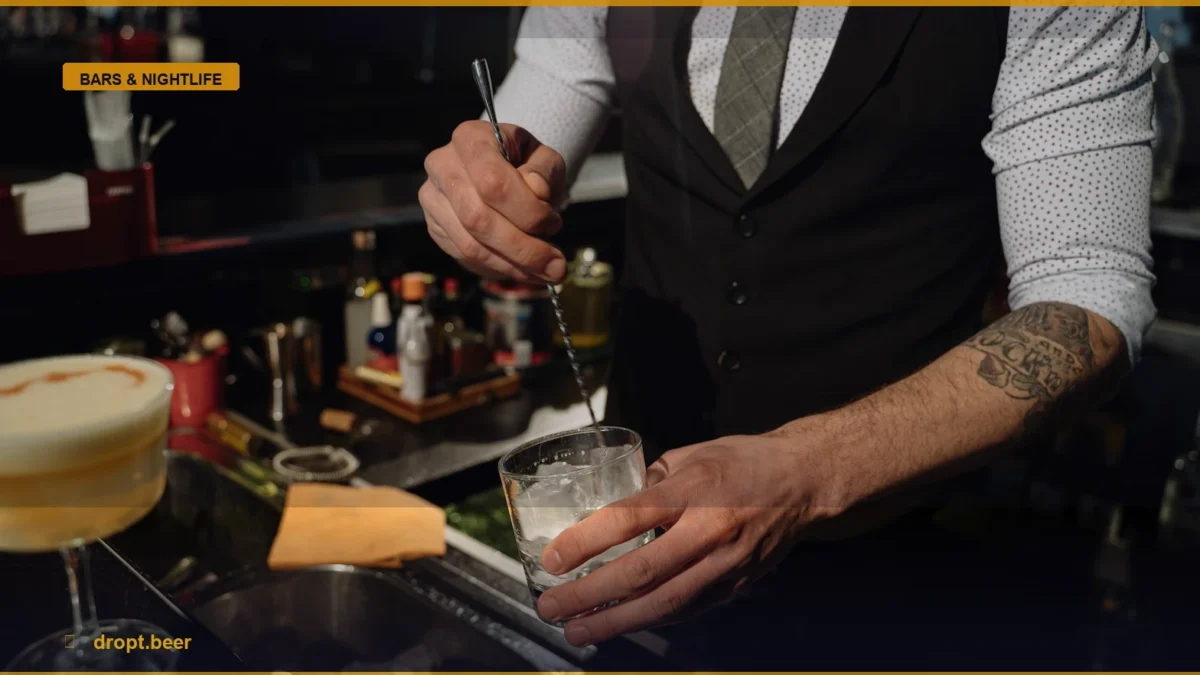
- Combine all ingredients into a mixing glass filled with large, clear ice cubes.
- Stir for 30 seconds until the glass is frosty and the dilution is perfect.
- Strain directly into your chilled glass.
Garnish: A single expressed grapefruit peel, oils discarded, then discarded entirely (the drink should look clean, not cluttered).
Sam Elliott’s tip: Don’t shake this. Shaking introduces too much aeration and dilution, which kills the crisp, spirit-forward profile that makes a good tequila drink stand out.
The smell hits you the moment the heavy door swings shut: old wood, citrus oils, and the faint, unmistakable scent of chilled glassware. Outside, Santa Monica is a blur of neon surf shops and tourists chasing the Pacific sunset. But inside? It’s quiet. The air conditioning hums, the bartender is focused on a jigger, and the only soundtrack is the clink of a spoon against a mixing glass. This is the difference between a place that sells alcohol and a place that serves cocktails.
Most visitors think Santa Monica drinking is defined by the pier. That’s the mistake that keeps you drinking mediocre slushies while paying double for the privilege. The truth is, the best cocktail bars in the city are defined by their distance from the sand. If you want a drink that respects the balance of spirit, citrus, and sugar, you must step away from the ocean breeze and into the quiet corners of Wilshire and Santa Monica Boulevards. That’s where the craft lives.
The Myth of the Ocean View
There’s a pervasive idea that the quality of a bar is tied to its visibility of the horizon. It’s a marketing trap. When a venue relies on the Pacific Ocean to fill its seats, it stops feeling the need to innovate. Why perfect a stirred martini when you have a captive audience taking photos of the waves? These high-visibility spots almost always prioritize volume over the glass. The result is inevitably a decline in standards, where the ingredient quality drops to match the high rent of the beachfront.
You’ll notice it immediately if you pay attention. Look at the ice. If you see jagged, cloudy cubes floating in your drink, you are in a venue that doesn’t prioritize your experience. According to the Oxford Companion to Beer and Spirits, temperature and dilution are the two most critical factors in cocktail equilibrium. A bar that serves cloudy, rapidly melting ice is telling you they don’t care about the final thirty seconds of your drink. When the ice is clear and hand-cut, it slows dilution, keeping the drink at the perfect temperature for the duration of your stay. A bar that cares about ice cares about everything else, too.
Defining the Craft
A high-end cocktail bar in this city isn’t just a place with expensive liquor. It’s a technical workshop. You know you’ve found the right spot when the bartender can explain the difference between a Highland and a Lowland mezcal without glancing at the bottle label. They should understand the terroir—the earth, the climate, the agave variety—that influences the spirit. This level of knowledge isn’t pretentious; it’s essential to the trade.
Consider the BJCP guidelines for spirits and cocktails. They emphasize structural balance. When you sit down, the service should be attentive but not hovering. Your glassware should always be chilled—an overlooked detail that separates the amateurs from the professionals. If you walk into a bar like The Chestnut Club, you’ll see this in action. The staff isn’t rushing. They are measuring, stirring, and tasting. It’s a rhythm, a cadence of production that turns a simple order into a consistent experience. That consistency is exactly what you are paying for.
Types of Santa Monica Destinations
Not every great bar serves the same purpose. You’ll generally encounter three types of destinations in the city, each serving a specific need for the thoughtful drinker. First, there are the neighborhood institutions. These are the places where the local crowd congregates. They are reliable, the staff knows your name after two visits, and the menu rarely changes. These are the workhorses of the city’s nightlife, and they provide a necessary comfort. The drinks here are classic, executed with precision, and intended for long conversations rather than Instagram posts.
Second, there are the high-concept labs. These are the trendy, often reservation-only spots where the bartenders might be using centrifuges or rotovaps to clarify juices or infuse spirits with localized ingredients. These bars are for the adventurous drinker who wants to see the boundaries of mixology stretched. It’s not for every night, but when you want to be challenged, these are the places to go.
Finally, there are the hidden speakeasies. These spots prize anonymity and a sense of discovery. They are usually tucked away behind unmarked doors or in the back of unassuming storefronts. The vibe is darker, the music is curated, and the menu is often small but razor-focused. These are the places where you go to shut out the world.
How to Drink Like a Local
If you want to navigate Santa Monica like someone who actually lives here, stop asking for the ‘special’ and start asking for the ‘standard.’ A great bar should be able to make a perfect Manhattan or Daiquiri without breaking a sweat. If they can’t get the basics right, the complex, house-signature drinks won’t be any better. Test the bar with a classic. If they get the balance of the Daiquiri—the tension between the lime’s acidity and the rum’s sweetness—you know you’re in good hands.
Always keep an eye on the back bar. A curated selection of small-batch tequilas, obscure amari, and whiskies that reflect a specific sense of place is a sign of a bar program with a point of view. If you see only the massive, mass-market brands, you’re in a place that buys by the case, not by the quality. The best bars here are the ones that take risks on smaller, independent distillers because they care about the flavor profile more than the profit margin.
At the end of the night, it comes down to the moment. A great bar is a space that allows you to pause. It’s the sound of the ice, the weight of the glass, and the conversation that flows because the environment is right. Don’t chase the view of the Pacific. Chase the quality of the pour. For more guides on finding the best spots, keep checking in with us here at dropt.beer.
Frequently Asked Questions
Are beachfront bars in Santa Monica ever worth visiting?
Generally, no. Beachfront bars in Santa Monica prioritize high volume and tourist turnover over cocktail quality. You are paying for the view of the Pacific, not for skilled mixology, fresh ingredients, or proper technique. If you want a high-quality cocktail, head at least a mile inland.
How can I tell if a bar has a good ice program?
Look at the ice bin behind the bar. If you see jagged, cloudy cubes or small, inconsistent chips, the bar does not prioritize the technical side of cocktail making. Great bars use large, clear, hand-cut ice blocks because they melt slower and provide superior temperature control, resulting in a drink that stays balanced until the last sip.
What should I order to test a bar’s skill level?
Order a simple, classic cocktail like a Daiquiri, Martini, or Manhattan. These drinks rely entirely on the balance of the spirit, citrus, and sugar (or vermouth). If a bartender can’t execute these perfectly, they lack the foundational skill required for complex, modern mixology. A great bar will nail the classics effortlessly.
Should I look for a large menu when choosing a bar?
No, a large menu is often a sign of poor quality control. The best cocktail bars in Santa Monica usually have a small, highly curated menu of 6 to 10 drinks. This allows the staff to master the preparation of each drink and ensure they are using fresh, high-quality ingredients for every single order.