What “happy hours until 7pm” actually means
The short answer is: look for venues that explicitly advertise a discount window that ends at 7 p.m., because most bars and restaurants close their specials at 6 p.m. or earlier. In practice, the best happy hours that stretch to 7 p.m. are usually located in larger cities, hotel lounges, or craft‑beer bars that use the later cutoff to attract after‑work crowds.
Understanding this helps you avoid the common trap of assuming any “happy hour” will still be on when you show up at 6:45 p.m. The reality is that only a minority of establishments actually keep their deals alive until the clock strikes seven, and they tend to follow a predictable pattern.
How establishments structure a happy hour that lasts until 7 p.m.
Most places set a happy hour window based on three factors: foot traffic, labor costs, and competition. Bars in business districts often start discounts at 4 p.m. and run them until 7 p.m. to capture the post‑work rush. Hotel bars, on the other hand, may start at 5 p.m. and extend to 8 p.m., but they’ll advertise the “until 7 p.m.” cutoff for drinks only, keeping food specials shorter.
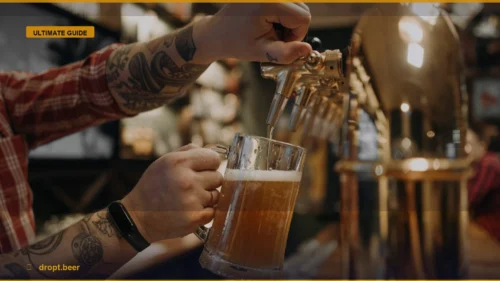
Craft‑beer venues use a slightly different approach. Because the margin on a pint is tighter than on a cocktail, they’ll typically offer a reduced price on select drafts or a “first‑round‑free” token that expires at 7 p.m. This incentivises patrons to stay longer, order food, and try a variety of brews before the discount disappears.
The things most articles get wrong
Many online guides claim that “happy hour ends at 7 p.m. everywhere,” which is simply not true. They often lump together “early‑evening specials” with a formal happy hour, ignoring the nuance that some venues only apply discounts to specific items, such as draft beer, while keeping wine and cocktails at full price.
Another frequent mistake is failing to mention the impact of local regulations. In some states, happy‑hour promotions are limited to a specific duration per day, and extending past 7 p.m. can be illegal. Articles that gloss over these legal limits mislead readers into planning around deals that may never exist.
Finally, a lot of content overlooks the importance of checking the day of the week. A venue might run a 4‑to‑7 p.m. happy hour on weekdays but switch to a 5‑to‑8 p.m. schedule on weekends, or even cancel the promotion entirely on Fridays. Ignoring these variations leaves travelers with empty glasses and wasted time.
Where to actually find happy hours until 7 p.m.
Urban business districts. Cities like New York, Chicago, and San Francisco have a concentration of bars that align their discount window with the 5‑to‑7 p.m. commuter flow. Look for places near office towers, especially on the ground floor where rent is lower and the need for traffic is higher.
Hotel lounges. Upscale hotels often market “after‑work happy hour” to attract both business travelers and locals. The drinks menu will usually list a “until 7 p.m.” note, and the atmosphere is generally quieter, making it ideal for networking.
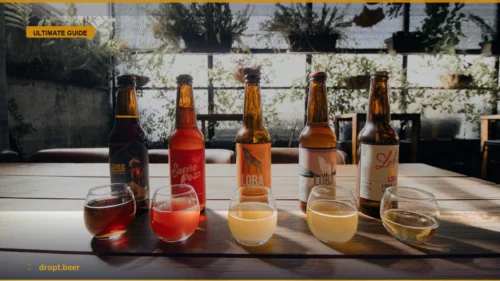
Craft‑beer bars. Independent breweries love to showcase new taps during a late happy hour. They’ll often post a chalkboard saying “Draft specials 5‑7 p.m.” and may pair the discount with a small‑plate sampler that also ends at 7 p.m.
To get a curated list of venues that actually honor a 7 p.m. cutoff, check out our guide to top deals in the city. It’s been updated weekly and flags any changes due to seasonal menus or local law.
What to look for when choosing a spot
First, verify the exact items on discount. Some places only lower the price of house‑wine by 20 %, while others cut the price of all drafts by half. The wording on the menu matters: “draft beer $4” versus “select drafts $4” can indicate a limited selection.
Second, consider the crowd. A bar that’s packed at 4 p.m. will likely be louder and slower to serve, meaning you might miss the best deals before 7 p.m. arriving early (around 4:30 p.m.) gives you the best chance to snag a seat and order before the rush.
Third, check for any hidden fees. Some venues require you to order a food item to qualify for the drink discount after 6 p.m., or they might add a service charge for large groups. Reading the fine print on the venue’s website or calling ahead can save you an unexpected bill.
Common mistakes and how to avoid them
Assuming “happy hour” equals “all‑day specials.” Only a handful of places truly have a blanket discount that lasts all day. Most will limit the offer to specific drinks or a limited menu.
Ignoring the day‑of‑week variance. As mentioned, many bars change their schedule on Fridays and weekends. If you’re planning a Thursday outing, assume the 4‑to‑7 p.m. window, but double‑check for Friday.
Not accounting for local laws. Some municipalities prohibit discounts on certain alcoholic categories after 6 p.m. If you’re traveling abroad, research the local regulations before you arrive.
Verdict: The best strategy for happy hours until 7 p.m.
If your priority is maximum savings, target craft‑beer bars in urban centers that advertise “draft specials until 7 p.m.” Early arrival (around 4:30 p.m.) guarantees you’ll beat the crowd and get the full range of discounted pours.
If you prefer a more relaxed atmosphere for networking, hotel lounges with a “5‑to‑7 p.m. cocktail hour” are your best bet—they tend to be less crowded and often include complimentary appetizers.
For a balanced experience—good deals, decent crowd, and a chance to explore the local scene—focus on business‑district bars that list a clear “happy hour ends at 7 p.m.” on their website. Cross‑reference with updated local listings like the guide linked above, and you’ll never be caught off‑guard by a disappearing discount again.